The Struggle for National Identity
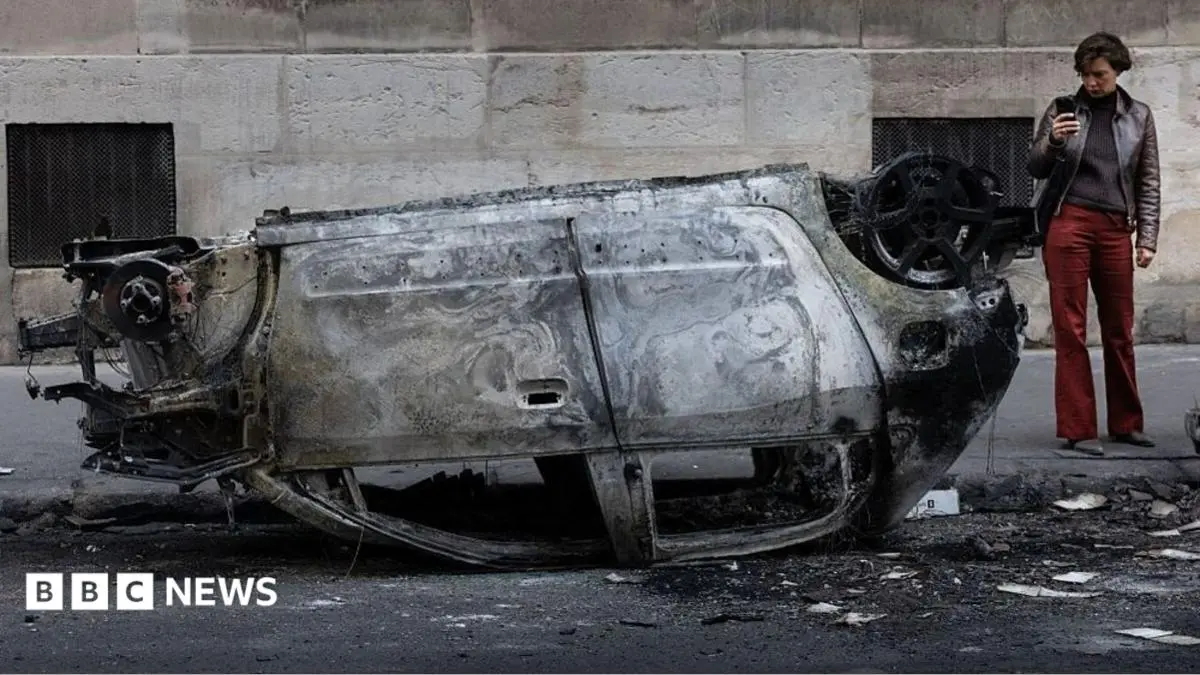
France remains deeply polarized after a weekend of intense rioting left city streets across the nation scarred by destruction. While authorities work to restore order, citizens and officials are locked in a heated debate over the root causes of the violence and the lessons the country must learn from the chaos.
Breaking news
 Montenegro, Albania Seek NATO Help to Counter Russian Disinformation
 Ronna McDaniel Weighs In on GOP's Path Forward
 Market Sentiment Shifts as S&P 500 Snaps Three-Day Losing Streak
 Voters Demand Stronger Congressional Oversight of Presidential Power
The unrest erupted in several major cities, resulting in shattered storefronts, burned vehicles, and widespread property damage. Local residents expressed shock at the scale of the destruction, with many arguing that the scenes of violence do not accurately represent the values or the majority of the French population.
For many Parisians, the sight of glass-strewn streets and graffiti-covered walls has sparked a painful identity crisis. Some residents insist that the rioters are a fringe element rather than a reflection of the broader public. They argue that media coverage focusing primarily on the destruction fails to capture the peaceful intentions of the majority.
Can Dialogue Heal the Fractured Republic?
However, the scale of the damage suggests a deeper, more systemic frustration simmering beneath the surface. Critics point to long-standing social inequalities and a perceived disconnect between the government and the working class. These tensions have turned peaceful demonstrations into flashpoints for anger, leaving the nation struggling to reconcile its democratic ideals with the reality of the streets.
The government now faces immense pressure to address the underlying grievances fueling these protests. Officials are currently evaluating whether to implement stricter security measures or pursue a policy of national reconciliation. The challenge lies in distinguishing between legitimate political dissent and the criminal behavior that dominated the weekend.
Frequently Asked Questions
As the cleanup efforts continue, the political fallout remains uncertain. Many fear that without a meaningful response to the public's concerns, the cycle of violence could easily repeat. The coming weeks will be critical in determining whether France can bridge its internal divides or if the current unrest is a sign of a more permanent fracture.
What sparked the recent wave of protests in France? The unrest was triggered by a combination of long-standing social grievances and specific local tensions. These factors escalated rapidly, leading to widespread disorder in major urban centers.
How are local residents responding to the destruction? Many citizens are deeply distressed by the damage to their communities. While some condemn the violence as unrepresentative of France, others emphasize that the riots reflect deep-seated frustration with current national policies.