The Digital Deluge of Deception
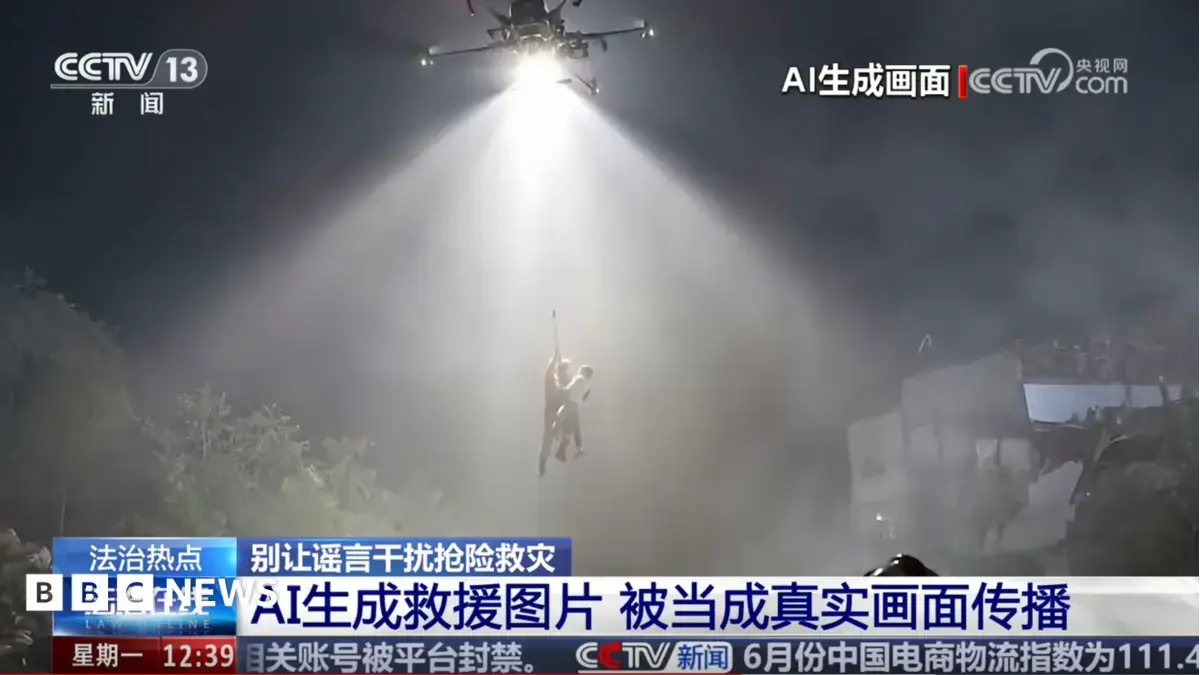
China is facing a new problem. Artificial intelligence is creating fake videos. These videos show natural disasters. They are spreading widely on social media. This makes it harder to manage real crises.
Breaking news
 Greenpeace Investigates Zaporizhzhia Nuclear Plant Power Lines
 Researcher warns strict age limits needed for children on social media
 Hezbollah defends its arsenal amid Lebanese political deadlock
 Can an AI Chatbot Reduce Maternal Deaths in Kenya?
The problem is growing. Recent storms and floods have highlighted it. Authorities are struggling to debunk these false images. They distract from genuine relief efforts.
How Do These Videos Impact Disaster Response?
The proliferation of AI-generated content is alarming. These videos often look very real. They can show exaggerated damage or non-existent events. This creates confusion among the public. It also undermines trust in official information. State media outlets are now actively working to identify and expose these fakes. They are issuing warnings to citizens.
These deceptive videos pose significant challenges. They can cause unnecessary panic. They might also divert resources to non-existent emergencies. First responders need accurate information. Fake content makes their job much harder. It can also spread misinformation about safety protocols. This puts people at risk during actual crises. The government is trying to educate the public. They want people to be critical of what they see online.
The rise of AI fakes adds complexity to disaster management. It demands new strategies for verification. Authorities must find ways to quickly counter false narratives. This is crucial for public safety and effective relief operations.
Frequently Asked Questions
What kind of events are shown in these fake videos? The fake videos often depict severe weather events. These include typhoons, floods, and other natural disasters. They can show dramatic scenes of destruction that did not occur.
Why are these fake videos a problem for authorities? They create confusion and panic among the public. They also make it difficult for officials to share accurate information. This can hinder emergency response efforts and divert resources.