Navigating the Maze of Small Parties
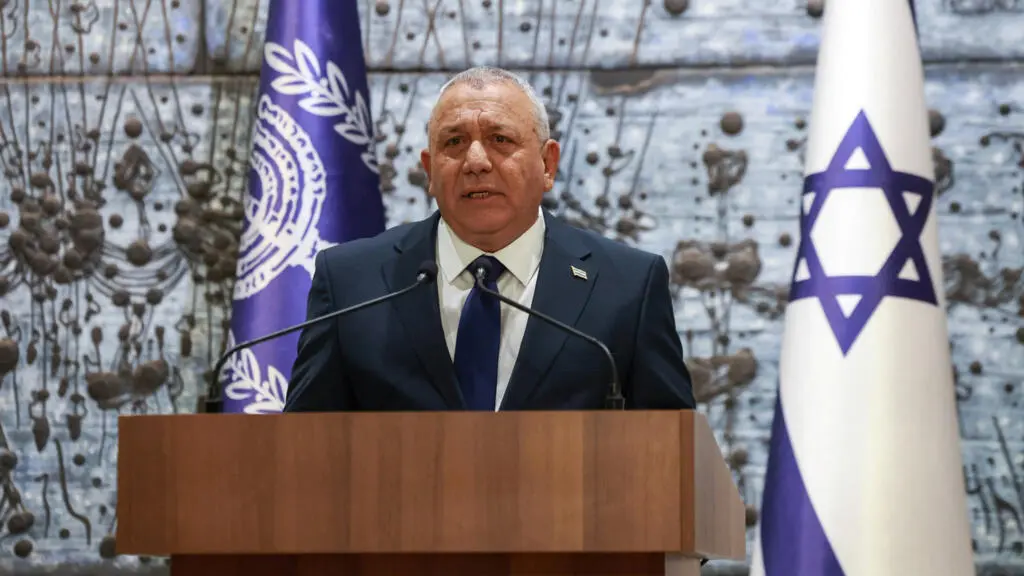
Gadi Eisenkot, Israel’s former military chief of staff, received a formal mandate on Sunday evening to form a new government. President Isaac Herzog tasked the opposition leader with building a governing majority. This move follows months of political deadlock that left the nation without a stable administration. The pressure is now on Eisenkot to unite fragmented political groups before time runs out.
Breaking news
 Thirty-four migrants dead after boat capsizes near Senegal
 Train crash kills seven, injures dozens near Egypt's Cairo city
 Egypt announces major Mediterranean gas find
 U.S. Forces Disable Ship After It Attempts to Break Hormuz Blockade
The primary challenge facing Eisenkot is the absence of a clear parliamentary majority. Israel’s political landscape is highly divided, with numerous small parties holding significant leverage. Eisenkot must negotiate with these minor factions to secure enough seats for stability. His background as a general lends him credibility, but coalition building requires delicate diplomatic skills rather than military command. He aims to bridge gaps between centrist and right-wing blocs that have previously clashed over policy and ideology.
Can the General Bridge the Divide?
Success depends heavily on Eisenkot’s ability to integrate smaller parties into a cohesive cabinet. These groups often demand specific ministerial portfolios or policy concessions in exchange for their support. Without their backing, any proposed government will collapse during confidence votes. Eisenkot has indicated that he will prioritize national security and economic stability in his negotiations. He seeks to present a unified front that appeals to both secular and religious voters. The process involves intense back-and-forth discussions where every seat counts toward the final tally.
Observers question whether Eisenkot’s military experience translates into political flexibility. While he commands respect, he lacks the long-standing party machine of traditional leaders. Critics argue that his outsider status may limit his influence within existing party structures. Supporters counter that his fresh perspective offers a chance to break the cycle of gridlock. The coming weeks will test his resilience as he faces tough decisions about which partners to include and which to leave behind.
Frequently Asked Questions
Who appointed Gadi Eisenkot to form the government? President Isaac Herzog officially tasked Eisenkot with this responsibility. The appointment occurred on Sunday evening following legislative calculations.
Why is forming a coalition difficult for Eisenkot? He does not hold a guaranteed majority in the Knesset. He must persuade multiple small parties to join his cabinet to reach the necessary threshold.