The Geopolitical Tightrope
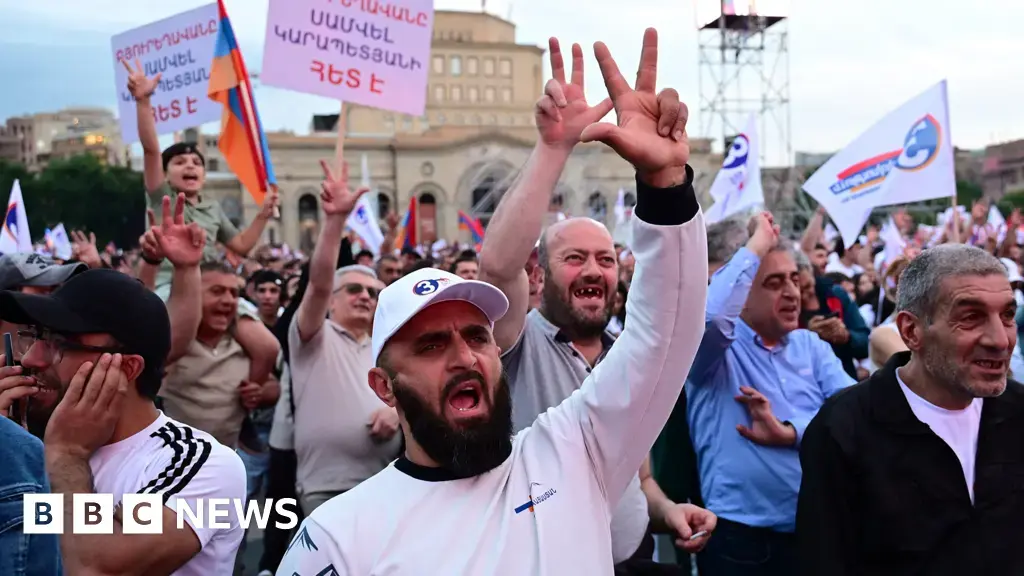
Armenia is gearing up for a pivotal national election as Prime Minister Nikol Pashinyan seeks a third term in office. The country faces significant political instability and mounting external pressure from Russia. Voters head to the polls following a period of declining domestic approval for the incumbent administration’s current trajectory.
Breaking news
 Deadly Glacier and Rock Collapse in Nepal Linked to Climate Warming
 US Congress Passes Sweeping Sanctions Against Russia
 Speaker Johnson Ends House Session Early to Halt Impeachment Effort
 The High-Stakes Fight for Senate Majority Control
Pashinyan’s government has increasingly pivoted toward Western alliances, straining historical ties with Moscow. This shift has triggered a harsh response from the Kremlin, which views the move as a threat to its regional influence. Economic and security concerns dominate the national conversation as the campaign period intensifies across the country.
The administration’s pro-Western stance has alienated traditional allies while failing to secure immediate security guarantees. Analysts suggest that Russia is leveraging its economic and political reach to influence the upcoming vote. Moscow remains deeply concerned about losing its foothold in the South Caucasus region.
Will the Incumbent Retain Power?
The government faces a difficult balancing act. It must address domestic dissatisfaction while navigating the aggressive demands of its northern neighbor. The electoral outcome will likely determine whether Armenia continues its move toward European integration or retreats to maintain regional stability.
Public support for Pashinyan has waned significantly since he first took office. Many citizens cite economic hardships and security failures as primary reasons for their disillusionment. The opposition is capitalizing on this sentiment to challenge the ruling party's dominance.
Frequently Asked Questions
The election results could fundamentally alter the nation’s foreign policy orientation. A victory for the current leadership would signal a continued commitment to Western reforms. Conversely, a loss would likely trigger a rapid realignment toward Russian interests.
What is the main driver of the current political tension? The primary driver is the government's shift toward Western partnerships, which has deeply angered Moscow. This geopolitical realignment has caused significant friction in traditional diplomatic relations.
What is the primary challenge facing the incumbent prime minister? Pashinyan faces a significant decline in domestic popularity due to economic struggles and security concerns. He must overcome this voter frustration to secure a third consecutive term.