Ignoring Warnings Led to Direct Action
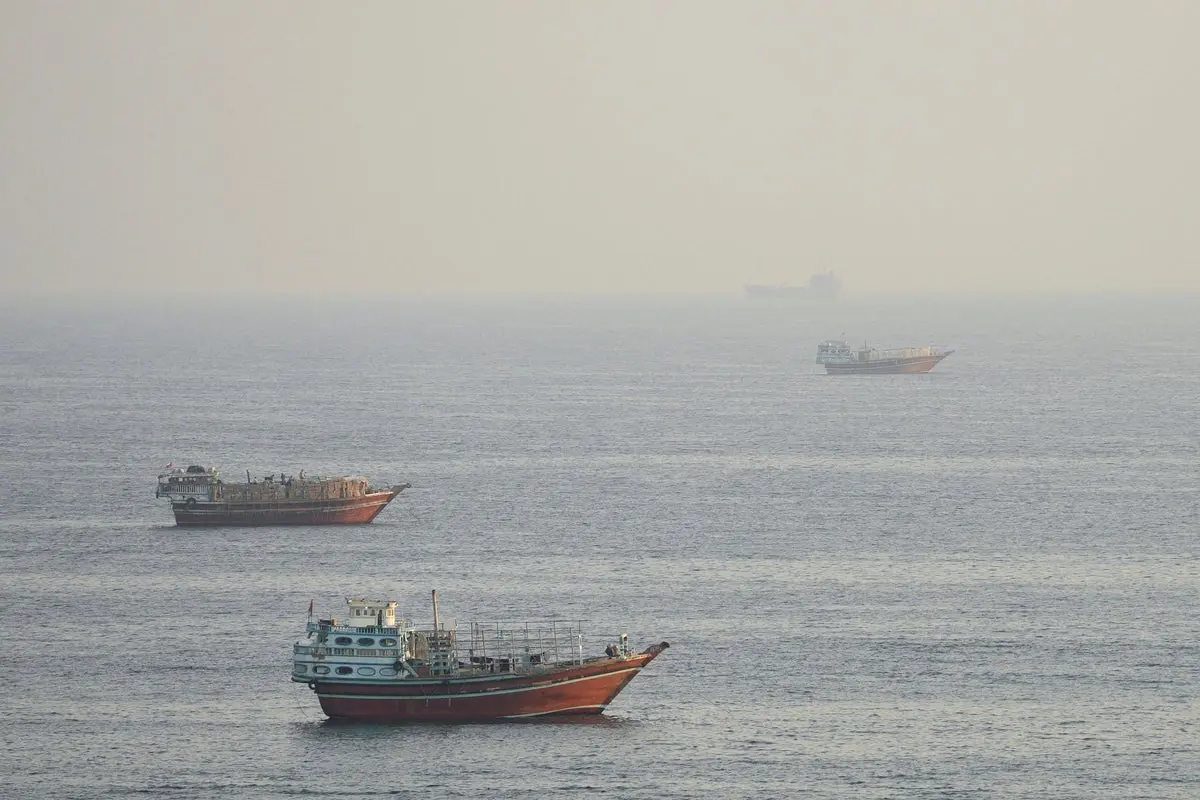
The United States military struck and disabled a commercial vessel on Saturday evening. The ship flew the flag of St. Kitts and Nevis. It had recently stopped at an Iranian port. American forces fired upon the vessel as it tried to leave the area. The action took place near the Strait of Hormuz. This strategic waterway remains under a strict naval blockade.
Breaking news
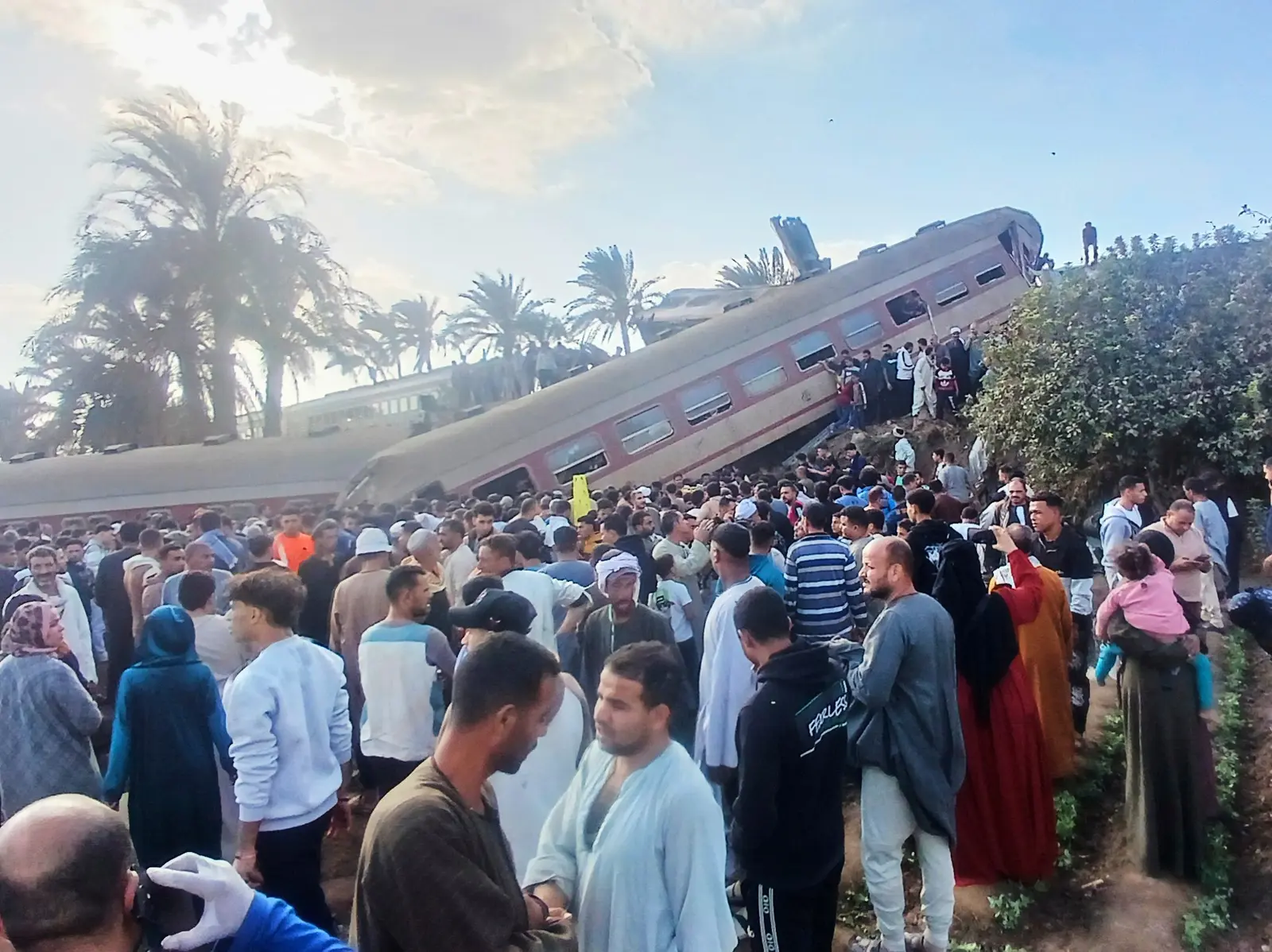 Train crash kills seven, injures dozens near Egypt's Cairo city
 Egypt announces major Mediterranean gas find
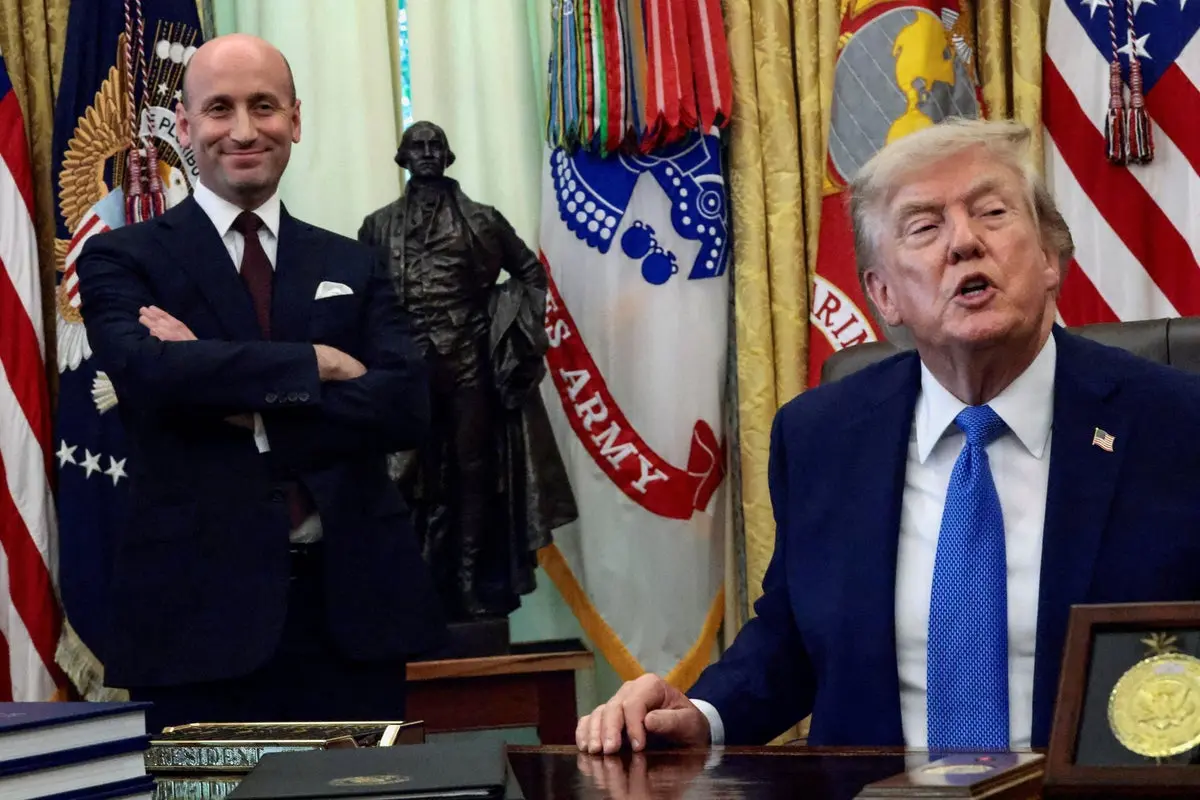 Stephen Miller and DOJ Weigh Jail for Leaking Journalists
 US employers face record healthcare inflation in 2027
U. S. Central Command confirmed the operation shortly after the incident. Officials stated that the crew ignored multiple warnings from American warships. These warnings instructed the vessel to stop or turn back. Instead, the ship continued its forward motion. It attempted to force its way through the blockade line. Commanders viewed this movement as a deliberate breach of the naval cordon. The decision to fire was made to prevent the ship from escaping the designated zone.
The vessel was identified as a commercial carrier. Its presence in the region drew immediate attention. American naval assets monitored its movements closely. When the ship failed to respond to initial hailing attempts, tensions rose. The blockade aims to restrict specific traffic through the strait. By ignoring the signals, the ship’s crew signaled their intent to exit. This prompted the U. S. military to take decisive action to disable the vessel.
Why Did the Vessel Stop in Iran?
The recent port call in Iran provided critical context for the engagement. Ships visiting Iranian facilities often face heightened scrutiny. The U. S. blockade targets vessels that may be transporting goods or personnel linked to Tehran. The stopover suggested the ship was part of a broader logistical network. American analysts believed the vessel might be carrying cargo of interest. Therefore, allowing it to slip away would weaken the effectiveness of the blockade.
Military officials emphasized that the blockade is a key component of regional strategy. It serves to pressure Iran while maintaining control over vital shipping lanes. The incident highlights the challenges of enforcing such restrictions. Commercial operators must navigate complex rules of engagement. A single mistake can lead to a confrontation with major naval powers. The ship’s attempt to flee underscores the high stakes involved in this corridor.
Frequently Asked Questions
The disabling of the vessel sends a clear message to other mariners. It demonstrates that the U. S. will actively enforce its maritime boundaries. Future ships entering the region will likely proceed with greater caution. The incident may influence how other nations manage their fleets in the Gulf. Diplomats are now working to assess the damage and determine the ship’s status. Negotiations regarding the crew and cargo are expected to follow. The situation remains fluid, with both sides monitoring developments closely.
Which command announced the strike? U. S. Central Command officially announced the operation. They detailed the sequence of events leading to the firing. The announcement came late on Saturday evening.
What flag did the ship fly? The vessel operated under the flag of St. Kitts and Nevis. This registration helped identify the ship during the engagement. It was a commercial carrier at the time of the incident.