Escalation of the Saturday Protest
On Saturday more than 500,000 citizens marched to denounce soaring prices and deteriorating public services, including the state education system. What began as a largely peaceful rally quickly descended into clashes when groups of activists and hooded „hooligans” in black clothing appeared. Police responded with tear‑gas canisters and water‑cannon fire, while footage showed officers striking demonstrators with batons.
Breaking news
 Montenegro, Albania Seek NATO Help to Counter Russian Disinformation
 Ronna McDaniel Weighs In on GOP's Path Forward
 Market Sentiment Shifts as S&P 500 Snaps Three-Day Losing Streak
 Voters Demand Stronger Congressional Oversight of Presidential Power
Material Damage and Casualties
The material toll is staggering: roughly 1,500 shops and businesses were looted or destroyed. The Interior Ministry reported that about 1,000 law‑enforcement officers were injured, seven of them seriously, during the unrest. Authorities estimate that the total economic loss runs into tens of millions of euros.
Government Response and Public Reaction
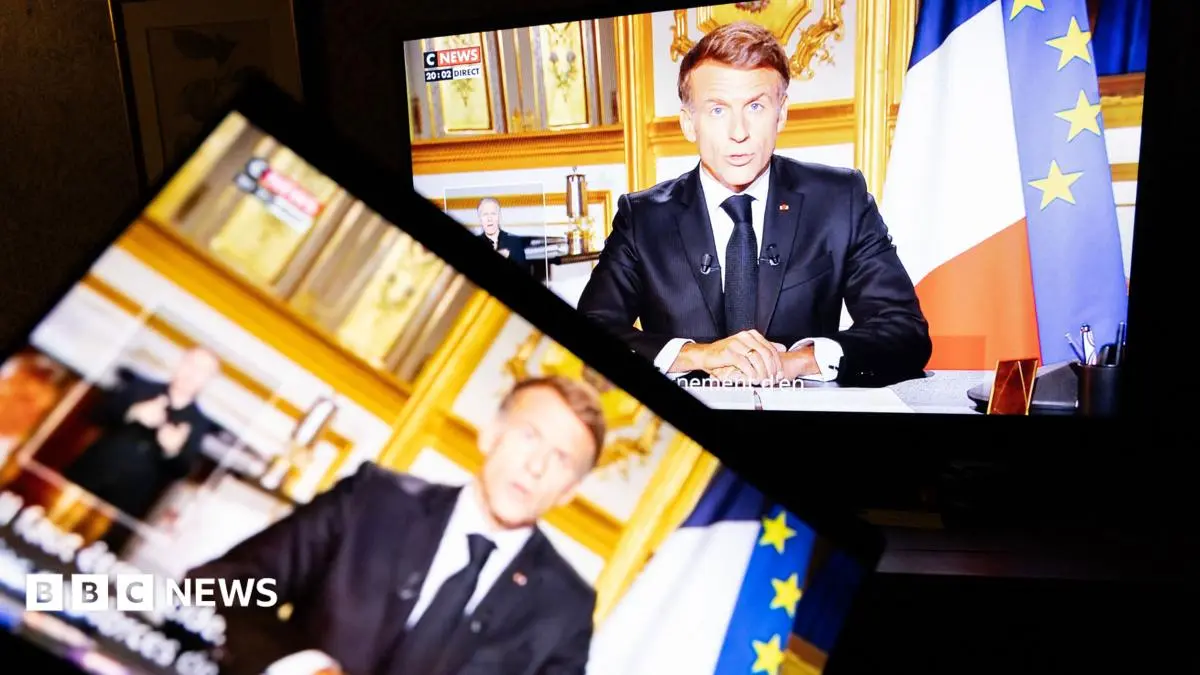
Rumours of a temporary curfew or emergency decree swirled, but President Emmanuel Macron chose to address the nation directly on Sunday. In his televised speech he called for national unity and promised punishments for those responsible. The address was met with sharp criticism on social media and from opposition parties, which accused the president of offering rhetoric without concrete measures.
Unanswered Questions
Key issues remain unresolved: how will the alleged „hooligans” be prosecuted? What steps will be taken to protect city centres in the future? How will owners of ruined businesses be compensated? When will dialogue with students and teachers begin? CGT secretary‑general Sophie Binet blamed Macron for ignoring student concerns and the cost‑of‑living crisis.
Political Fallout
Lower‑house speaker Yaël Braun‑Pivet called for an inquiry to determine exactly what happened over the weekend and why. Graffiti on a Paris wall near shattered shop windows read, „The City of Light is in a dark place,” painted in red. Macron’s handling of the crisis has fueled speculation that he may resign, especially as presidential elections loom in six months. Main contenders Marine Le Pen (nationalist right) and Jean‑Luc Mélenchon (anti‑capitalist left) are already trading barbs, adding tension to both politics and the streets.
Parliamentary Gridlock and Economic Strain
France’s parliament remains deadlocked, split among three rival blocs. Meanwhile, the nation’s fiscal problems deepen. Investors demand tighter control of public debt, yet the government fears that cuts to services or social aid could spark further protests.
Public Sentiment
Citizens are shocked by images of tear‑gas‑filled streets, unchecked looting, and public buildings ablaze. „While we worry about our safety, politicians use this chaos as a political football before the election,” said Edouard, a teacher and father of three. Many share his frustration, feeling abandoned as leaders point fingers at one another.
Blame and Future Protests
Macron and Lecornu have blamed radical left‑wing groups and criminal elements for the violence. Mélenchon accused the government of „incompetence,” while Le Pen posted a video in front of the French flag, calling the Macron administration „exhausted and lost.” Authorities hope the upcoming school break will bring a brief lull, but unions and the „gilets jaunes” movement have scheduled new mass protests for 5 November. France holds its breath.


