Legislative Constraints on Executive Reach
A new nationwide survey reveals that American voters are increasingly wary of executive authority. As dissatisfaction with the current administration grows, a clear majority now supports tighter congressional oversight. Citizens across the political spectrum expressed a desire for lawmakers to act as a more robust check on the president’s agenda during the upcoming term.
Breaking news
 Ronna McDaniel Weighs In on GOP's Path Forward
 Market Sentiment Shifts as S&P 500 Snaps Three-Day Losing Streak
 Pelosi Looks Back, Sees Democratic Triumph Ahead
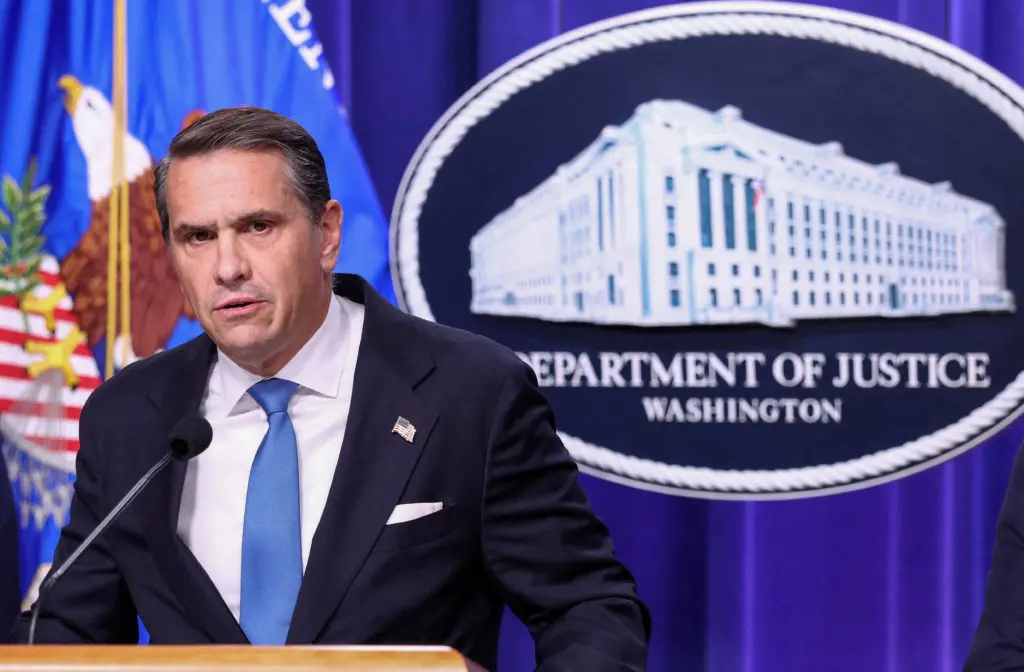 DOJ Seeks Increased Election Oversight
The findings highlight a significant shift in public sentiment regarding the balance of power in Washington. Many respondents indicated that they no longer trust the executive branch to exercise restraint without legislative intervention. This push for accountability comes at a time when the president’s approval ratings have reached historic lows, fueling widespread calls for structural reform.
The survey underscores a profound disconnect between the White House and the electorate. Voters are no longer content with the traditional oversight process, which they view as ineffective. Instead, they are calling for concrete measures that would force the president to seek more frequent congressional approval for major policy shifts.
Will Congress Heed the Public Call for Reform?
Political analysts suggest this trend reflects a broader frustration with unilateral decision-making. By demanding that Congress exert more influence, the public is signaling a preference for a collaborative governing style. Lawmakers who ignore these demands may face significant political risks in future election cycles as voters prioritize institutional checks over party loyalty.
The pressure on Capitol Hill is mounting as legislators prepare for the next session. While some members of Congress have already signaled their intent to launch more aggressive oversight committees, others remain cautious about the political fallout. The challenge lies in balancing partisan interests with the clear mandate provided by this recent polling data.
If Congress fails to respond to these demands, the sense of disillusionment among the electorate will likely deepen. The coming months will be a critical test for both parties as they navigate these calls for increased accountability. Ultimately, the ability of the legislative branch to assert its authority will define the political landscape for the remainder of the presidential term.
Frequently Asked Questions
What is the primary driver behind the demand for more oversight? The primary driver is widespread public dissatisfaction with the current president’s performance and a growing lack of trust in executive branch decision-making.
How do voters want Congress to intervene? Voters want lawmakers to implement stricter checks on presidential power, specifically requiring more legislative approval for major policy actions and executive decisions.
What are the potential consequences if Congress ignores these findings? Failure to act could lead to increased voter frustration and potential political consequences for lawmakers who are perceived as ignoring the public's desire for accountability.