In some vocational schools, outdated equipment hampers training for technical
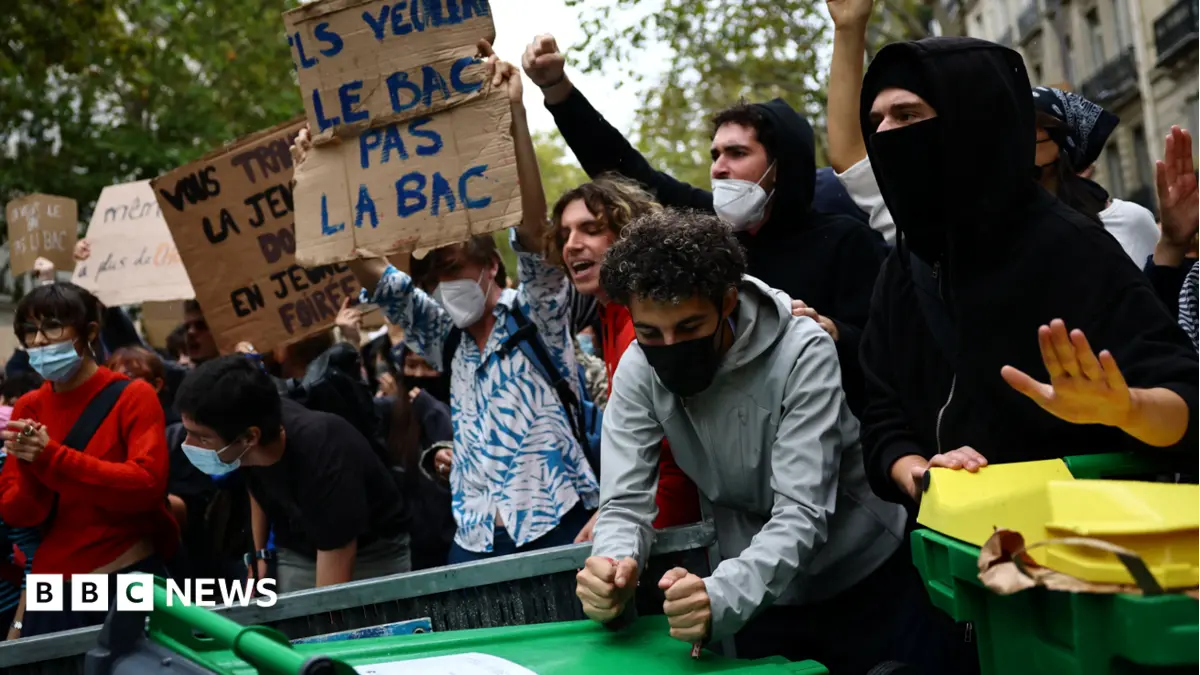
Students across France have been blocking school entrances and marching in cities since late September, demanding better funding for public education. The protests, led primarily by high school and university students, have disrupted daily routines in multiple regions, with some turning confrontational as tensions rise over neglected infrastructure and staffing shortages. The movement stems from long-standing grievances about deteriorating school conditions, overcrowded classrooms, and insufficient resources for both students and teachers. Many participants argue that years of budget cuts have left public education unable to meet basic needs, forcing schools to rely on temporary fixes while essential repairs and hiring are delayed. Teachers’ unions have expressed sympathy with the cause, though not all endorse the tactics of blocking access. How underfunding shapes daily life in French schools Students describe leaking roofs, broken heating systems, and classrooms where more than 30 pupils share space designed for far fewer.
Breaking news
 Montenegro, Albania Seek NATO Help to Counter Russian Disinformation
 Ronna McDaniel Weighs In on GOP's Path Forward
 Market Sentiment Shifts as S&P 500 Snaps Three-Day Losing Streak
 Voters Demand Stronger Congressional Oversight of Presidential Power
In some vocational schools, outdated equipment hampers training for technical careers, leaving graduates unprepared for job markets. Teachers report spending personal money on supplies and working beyond contracted hours to compensate for systemic gaps. These conditions, they say, are not isolated incidents but symptoms of a broader pattern of neglect that disproportionately affects schools in poorer urban and rural areas. What solutions are protesters calling for beyond immediate fixes? Demonstrators are not just asking for emergency funding but demanding a permanent increase in the education budget, indexed to inflation and student needs. They advocate for hiring more support staff, reducing class sizes nationally, and launching a multi-year plan to renovate aging school buildings.
Some student unions have proposed creating an independent oversight committee
Some student unions have proposed creating an independent oversight committee to monitor how funds are allocated, arguing that past promises of investment have repeatedly fallen short due to shifting political priorities. Frequently Asked Questions Are the protests supported by parents and teachers? Many parents express sympathy with the students’ concerns about school conditions, though opinions vary on disruptive tactics like blockades. Some teacher unions have voiced backing for the core demands while urging peaceful dialogue, noting that educators face similar pressures from understaffing and lack of resources. How has the government responded to the demonstrations? Officials have acknowledged funding challenges but emphasized existing investments in education recovery plans, urging protesters to engage through official channels rather than street actions. Authorities have also increased police presence around schools to manage access disruptions, citing safety concerns for students and staff. What are the risks if the protests continue to escalate?
Prolonged blockades could lead to academic delays, particularly for students preparing for national exams, and may deepen divisions between protesters and local communities affected by school closures. Escalation also raises the likelihood of stricter disciplinary measures against participants, potentially fueling further resentment and radicalizing segments of the movement.