Spending Cuts Spark Campus Clashes
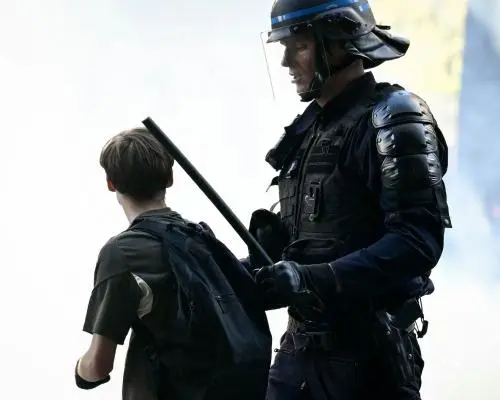
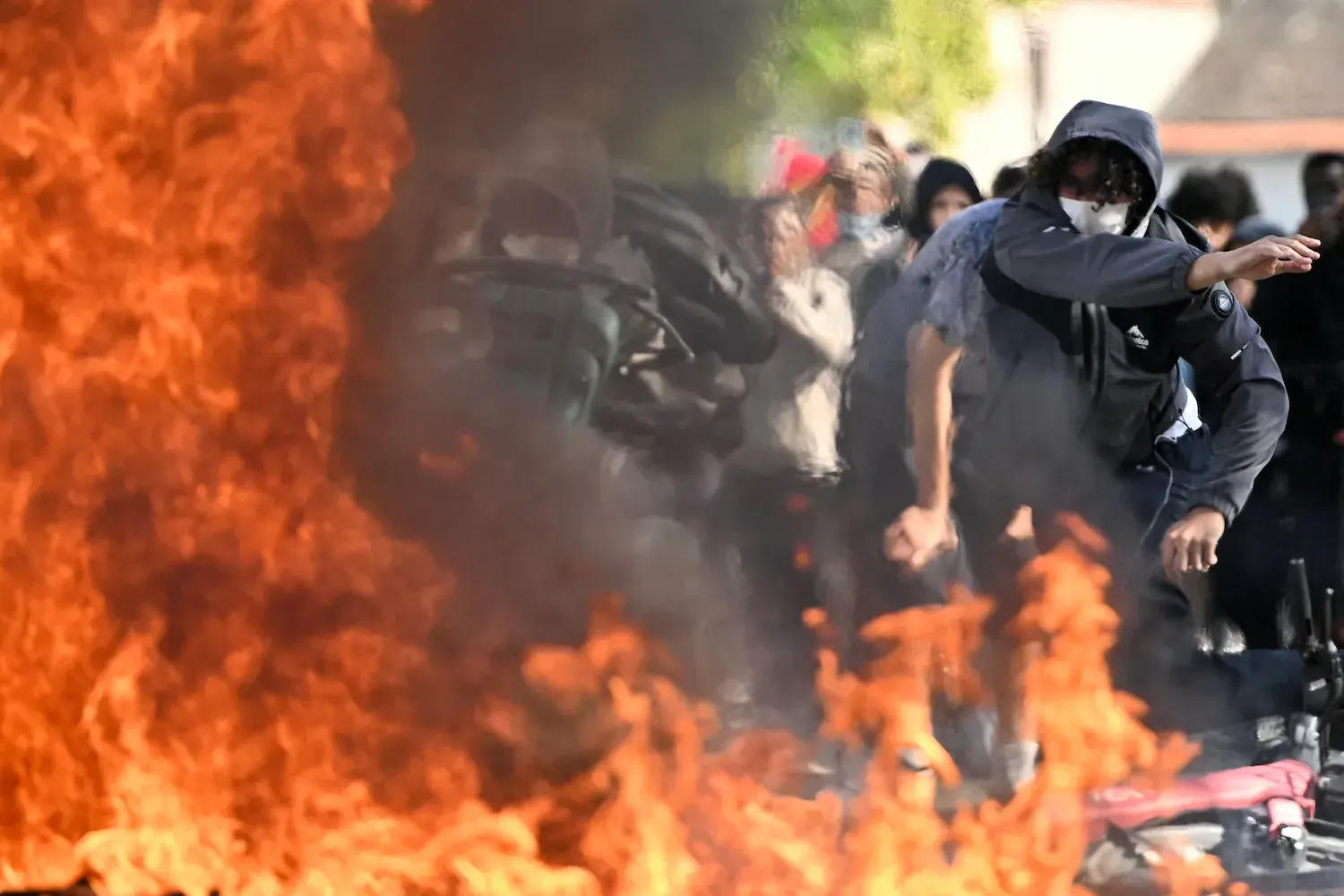
Student demonstrators clashed with police in Paris on Tuesday as lawmakers prepared to debate the government's latest budget proposal. The unrest reflects growing public frustration over planned spending cuts and tax increases. Prime Minister Élisabeth Borne's cabinet hopes the measure will reduce the national deficit and avoid another no-confidence vote that could topple her administration.
Breaking news
 South Korea Weighs Strong Response After DMZ Landmine Blast
 Quebec Separatists Promise Referendum After Election Victory
 Pacific Leaders Demand Firm Commitment to Fossil Fuel Exit
 Green Party Faces Crisis After Controversial Vote
The proposed budget aims to slash France's deficit from 5.3% of GDP this year to 4.9% in 2024, according to Finance Ministry figures. Officials say without strict fiscal discipline, France risks breaching the EU's 3% ceiling and triggering sanctions. Students argue the plan disproportionately targets education funding while sparing wealthier households. Riot police deployed near Sorbonne University after protesters hurled stones and Molotov cocktails, injuring six officers. Demonstrations also erupted in Lyon, Marseille, and Bordeaux, with organizers claiming over 200,000 participants nationwide.
University campuses became flashpoints as students opposed reductions to research grants and tuition assistance. The government plans to cut €2.8 billion from higher education budgets, redirecting funds toward defense and healthcare modernization. Critics within Borne's own Renaissance party worry the austerity push could fuel broader social unrest ahead of European elections. Labor unions have signaled support for the protests, raising fears of coordinated strikes that could paralyze transport and public services.
Can France Balance Books Without Losing Public Trust?
Economists warn that failing to rein in debt—now at 108% of GDP—could raise borrowing costs and spook investors. However, polling firm Ifop found 58% of respondents oppose the current budget, citing unfair burden-sharing. Borne insists compromise remains possible, telling reporters, „We will listen to legitimate concerns while protecting France's financial future.”Opposition leaders demand rewritten clauses benefiting low-income families before granting parliamentary backing.
The outcome hinges on whether Prime Minister Borne can secure enough votes from centrist allies and right-wing factions. A failed confidence motion would force early elections, potentially empowering Marine Le Pen's National Rally ahead of EU polls. Meanwhile, student groups vow continued demonstrations until education funding is restored.
Frequently Asked Questions
What triggered the violent protests in France? Students protested proposed cuts to education budgets and tuition aid included in the 2024 budget plan. Clashes erupted when police intervened at Sorbonne University.
How does the budget proposal affect France's deficit? The plan targets reducing the deficit from 5.3% to 4.9% of GDP, aiming to comply with EU fiscal rules. Critics say cuts disproportionately impact universities and low-income citizens.
What are the political risks for Prime Minister Borne? Failure to pass the budget could trigger a no-confidence vote, forcing early elections. Borne needs support from centrist and right-wing parties to maintain her slim parliamentary majority.