Overcoming Technical Hurdles
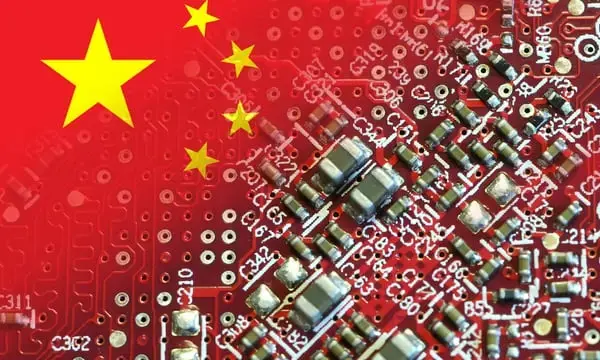
China is pushing to produce key chipmaking equipment, facing three specific barriers in the process. This development is significant for the global semiconductor industry. China's efforts are being closely watched by Western countries.
Breaking news
 Deadly Glacier and Rock Collapse in Nepal Linked to Climate Warming
 US Congress Passes Sweeping Sanctions Against Russia
 Speaker Johnson Ends House Session Early to Halt Impeachment Effort
 The High-Stakes Fight for Senate Majority Control
The production of extreme ultraviolet lithography (EUVL) machines is a complex task that requires significant technological advancements. China needs to overcome challenges in areas such as high-precision engineering and software development to succeed. Monitoring China's progress in these areas can provide valuable insights for Western countries.
Can China Close the Technology Gap?
China's ability to develop EUVL machines depends on its capacity to overcome technical barriers. One major challenge is the creation of high-precision mirrors and lenses. Another is the development of sophisticated software to control the lithography process. China's progress in these areas will be crucial in determining its success.
The development of EUVL machines is a costly and time-consuming process. It requires significant investment in research and development, as well as collaboration between industry players and government agencies. China's government has been actively supporting the development of the semiconductor industry through various initiatives.
China's progress in EUVL technology will have significant implications for the global semiconductor industry. If China succeeds in developing EUVL machines, it could potentially disrupt the market and challenge the dominance of established players.
Frequently Asked Questions
The consequences of China's success in EUVL technology will be far-reaching. It could lead to a shift in the global balance of power in the semiconductor industry, with China emerging as a major player. Western countries will need to reassess their chip and AI policies in response to China's progress.
What are the main barriers China faces in producing EUVL machines? China faces challenges in high-precision engineering, software development, and other technical areas. How will China's progress in EUVL technology affect the global semiconductor industry? China's success could potentially disrupt the market and challenge established players. What can Western countries do in response to China's progress? They can monitor China's progress and reassess their chip and AI policies accordingly.