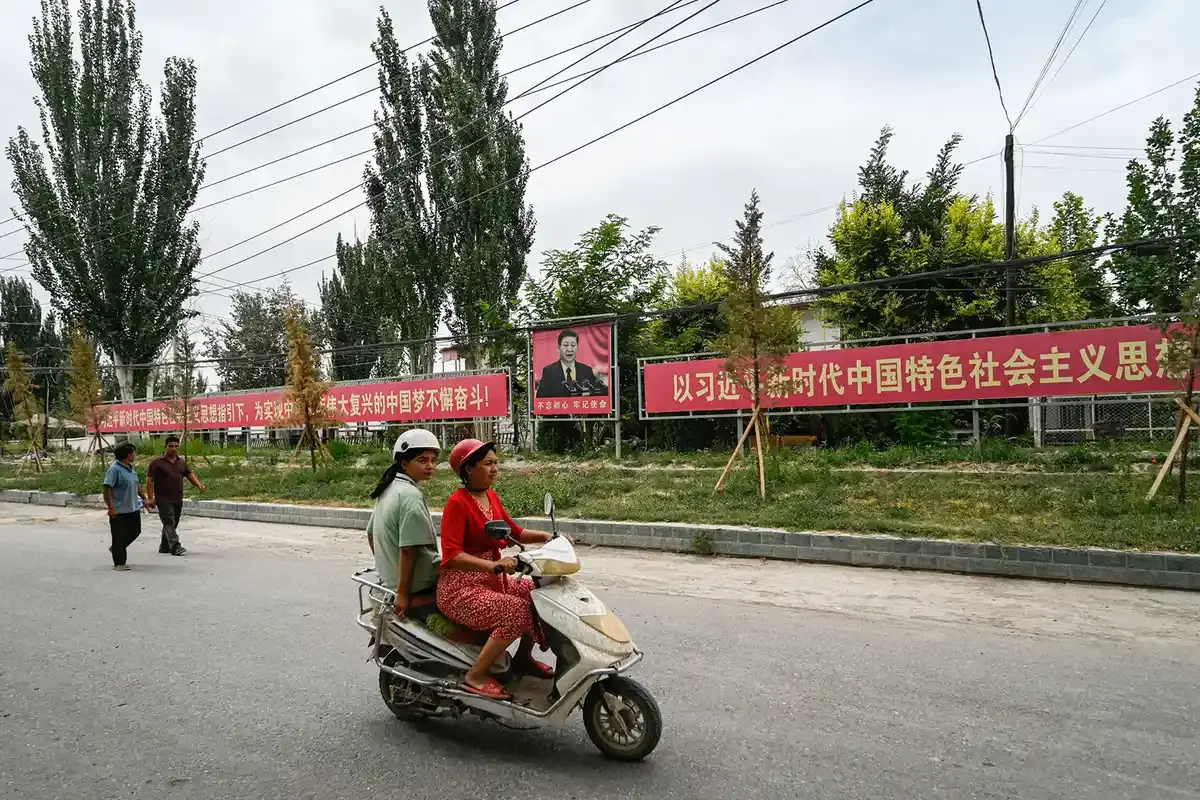
Assimilation Policies Under Scrutiny
A new law in China aims to solidify the assimilation of ethnic minorities. This move, spearheaded by President Xi Jinping, seeks to create a unified Chinese national identity. However, experts warn it may worsen existing tensions rather than resolve them. The legislation reflects a long-standing policy direction.
Breaking news
 Deadly Glacier and Rock Collapse in Nepal Linked to Climate Warming
 US Congress Passes Sweeping Sanctions Against Russia
 Speaker Johnson Ends House Session Early to Halt Impeachment Effort
 The High-Stakes Fight for Senate Majority Control
The new law is part of a broader strategy. It emphasizes a singular Chinese nationnarrative. This approach often downplays distinct cultural and linguistic traditions. Critics argue this undermines the rich diversity of China's ethnic groups. They fear it could lead to further marginalization.
The government maintains these policies foster national cohesion. They believe a unified identity is crucial for stability and development. Yet, historical precedents suggest such measures can backfire. They often fuel resentment among minority populations. This can lead to increased unrest in the long run.
Will Forced Unity Achieve Stability?
The law's implementation raises serious questions. It targets regions with significant minority populations. These include Xinjiang and Tibet. Both areas have experienced severe human rights concerns. The new legislation could intensify these pressures.
The long-term effects of this policy are uncertain. While aiming for unity, it risks alienating millions. True stability often comes from respecting diversity. It does not arise from forced conformity. This legislative push may create deeper divisions.
Frequently Asked Questions
What is the main goal of China's new ethnic law? The law aims to promote a unified Chinese national identity. It seeks to assimilate ethnic minorities into this single cultural framework. This is part of President Xi Jinping's vision for national cohesion.
Why are experts concerned about this law? Experts worry the law will exacerbate existing ethnic tensions. They believe it could suppress distinct cultural identities. This approach has historically led to unrest and human rights issues in minority regions.
Which regions are most affected by this new policy? Regions with large ethnic minority populations are primarily affected. Both areas have a history of government policies aimed at assimilation.