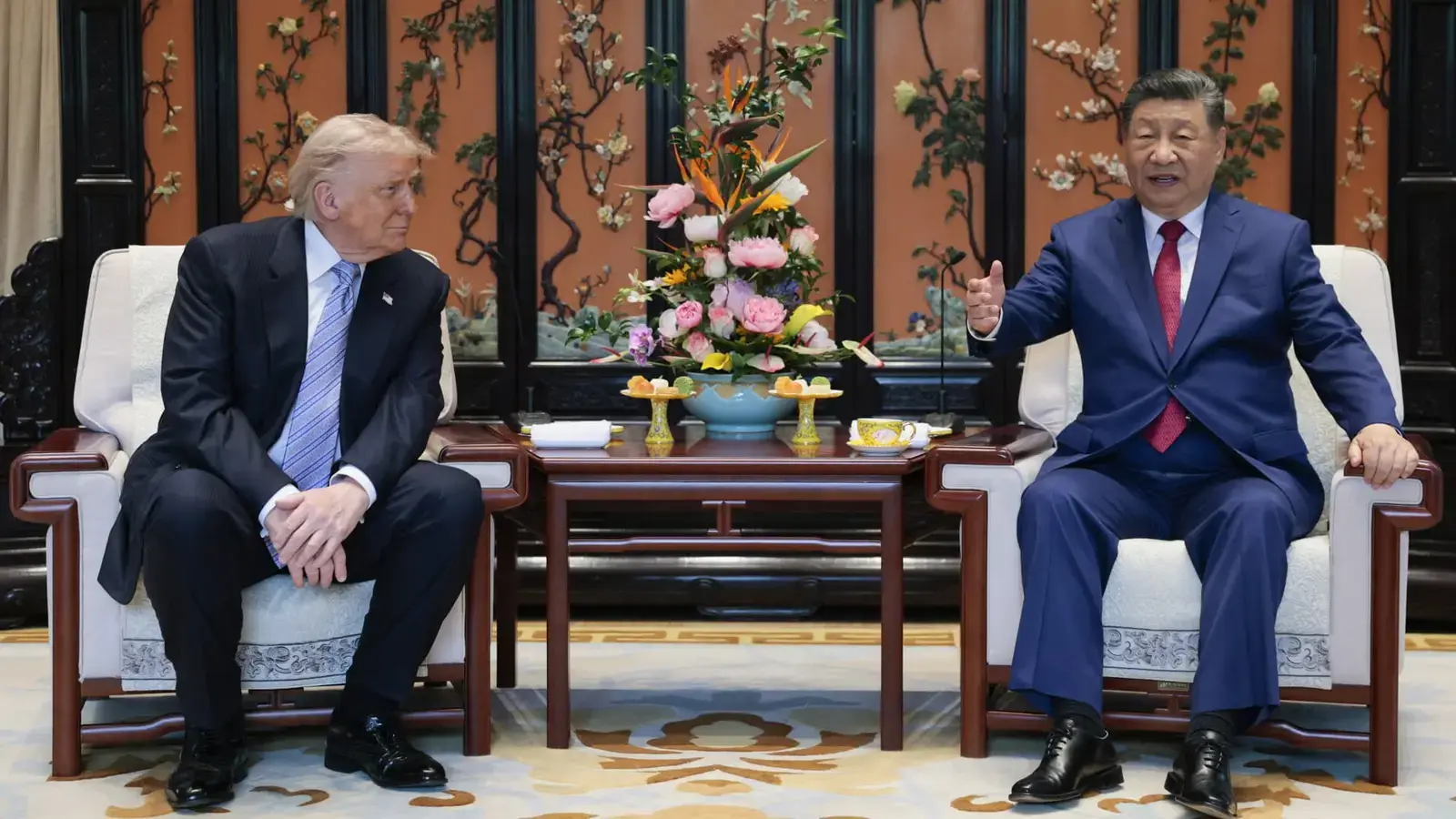
Disparities in Commodity and Aviation Deliveries
The United States and China are currently struggling to uphold key trade commitments established in their recent pact. Data and industry experts indicate that progress remains inconsistent across vital sectors. As of September 2026, the uneven pace of deliveries involving soybeans, aircraft, and rare earth minerals highlights the fragility of this international economic truce.
Breaking news
 Ronna McDaniel Weighs In on GOP's Path Forward
 Market Sentiment Shifts as S&P 500 Snaps Three-Day Losing Streak
 Voters Demand Stronger Congressional Oversight of Presidential Power
 Pelosi Looks Back, Sees Democratic Triumph Ahead
The trade deal relies on specific benchmarks intended to balance the commercial relationship between the two global powers. However, supply chain bottlenecks and shifting political priorities have complicated these targets. While some sectors show signs of cooperation, others remain stagnant, leaving business leaders concerned about the long-term stability of the current arrangement.
Soybean exports have become a focal point of the agreement, yet shipment volumes fluctuate significantly month to month. Agricultural analysts note that while China has fulfilled portions of its purchasing quotas, logistical challenges often delay the final delivery of these goods. The agricultural sector remains highly sensitive to any diplomatic friction between Washington and Beijing.
Can the Rare Earths Supply Chain Survive the Pressure?
The aviation industry faces even greater uncertainty regarding new orders. Despite initial promises to bolster the American aerospace sector, aircraft procurement has slowed considerably. Industry insiders suggest that domestic manufacturing pressures in China and fluctuating demand are causing significant friction. These delays prevent the trade deal from reaching its intended economic impact.
Securing a steady supply of rare earth minerals remains the most contentious aspect of the trade truce. These materials are essential for high-tech manufacturing, yet China maintains tight control over export volumes and licensing. The U. S. government continues to express frustration over restricted access, which hinders the development of domestic technology industries.
If these imbalances persist, the trade truce may face a complete collapse by the end of the year. Policymakers are now weighing whether to enforce stricter penalties or renegotiate the terms of the agreement. Without a unified approach to these three sectors, the economic relationship between the two nations will likely remain volatile and prone to sudden disruptions.
Frequently Asked Questions
Why is the trade truce considered fragile? The agreement relies on specific delivery targets that neither side is consistently meeting. This inconsistency creates uncertainty for global markets and prevents long-term economic planning.
What role do rare earth minerals play in this dispute? Rare earth minerals are critical for modern electronics and defense technology. China’s control over these resources gives them significant leverage, which often leads to diplomatic tension with the U. S.
Will aircraft orders improve soon? Current data suggests that aviation procurement is stalling due to internal economic pressures. Experts do not expect a significant increase in orders until both nations resolve their broader trade disputes.