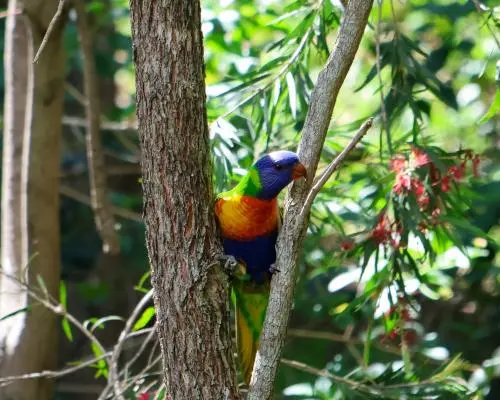
Schools Turn Classroom into Birdwatching Hub
The annual Australian Bird Count, organized by BirdLife Australia, has begun for 2026, following a successful 2025 campaign that recorded over 3.7 million birds. The initiative, which started in early March, invites citizens across the country to log sightings of native species, contributing vital data for conservation planning.
Breaking news
 Montenegro, Albania Seek NATO Help to Counter Russian Disinformation
 Ronna McDaniel Weighs In on GOP's Path Forward
 Market Sentiment Shifts as S&P 500 Snaps Three-Day Losing Streak
 Voters Demand Stronger Congressional Oversight of Presidential Power
Participants are encouraged to use the BirdTrack app or paper forms to report sightings. The 2025 count set a new record, surpassing previous totals and highlighting the importance of public engagement in monitoring bird populations. Researchers will analyze the data to detect trends, assess habitat health, and inform policy decisions.
How Will the 2026 Count Shape Conservation Policy?
In Wollongong, a mathematics teacher at Cedars Christian College incorporated the bird count into her year‑two curriculum. She described the experience as „owl‑gebra,” blending data collection with storytelling about local species. Students recorded sightings, calculated frequencies, and wrote narratives about their observations, turning a routine lesson into an interactive conservation project.
The approach demonstrates how citizen science can enrich education, fostering scientific literacy while supporting national research goals. Teachers report increased enthusiasm among students, who now see their classroom work as part of a broader environmental effort.
What will the new data reveal about bird population changes? Experts anticipate that the 2026 results will refine threat assessments for several endangered species. By comparing current numbers with past records, conservationists can identify declining trends, prioritize habitat protection, and adjust management plans accordingly.
Frequently Asked Questions
The count also serves as a baseline for climate‑change impact studies. As bird distributions shift, the data will help predict future ecological dynamics and guide adaptive strategies for ecosystems across Australia.
The 2026 Australian Bird Count underscores the power of community science in shaping environmental stewardship. With millions of participants already contributing, the initiative promises to deliver actionable insights that will influence conservation policy for years to come.