How Australia’s Approach Differs from the UK’s
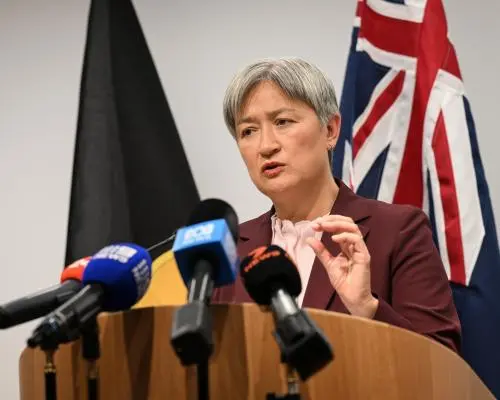
Australia is reviewing additional sanctions against Israel following heightened global criticism of its settlement policies in the occupied West Bank, though it has declined to join the United Kingdom in imposing a full trade ban. Foreign Minister Penny Wong confirmed the government is evaluating further measures in response to Israel’s continued expansion of settlements, which Australia views as undermining the prospects for a two-state solution. The move comes as several Western nations intensify diplomatic pressure on Israel over its long-standing occupation of Palestinian territories.
Breaking news
 Deadly Glacier and Rock Collapse in Nepal Linked to Climate Warming
 US Congress Passes Sweeping Sanctions Against Russia
 Speaker Johnson Ends House Session Early to Halt Impeachment Effort
 The High-Stakes Fight for Senate Majority Control
The UK government recently issued its strongest condemnation yet of Israel’s settlement activities, with Foreign Secretary Ed Miliband describing efforts to consolidate control over the West Bank as unlawful under international law. While Australia shares concerns about the illegality of settlement expansion, Wong emphasized that Canberra prefers a targeted approach, focusing on specific entities or individuals involved in settlement-related activities rather than broad trade restrictions. She noted that Australia remains committed to upholding international law while avoiding actions that could undermine diplomatic channels or regional stability.
What Are the Limits of Sanctions in Changing Israeli Policy?
Unlike the UK, which has moved to prohibit trade with goods produced in Israeli settlements, Australia is not pursuing a blanket ban on settlement-related commerce. Instead, officials are examining options such as asset freezes, travel bans, or restrictions on specific companies linked to settlement construction or infrastructure. Wong stated that any new sanctions would be carefully calibrated to maximize pressure while minimizing unintended consequences for humanitarian aid or civilian populations. She also reiterated Australia’s support for a negotiated peace based on pre-1967 borders, with mutually agreed land swaps.
Experts question whether targeted sanctions alone can shift Israel’s settlement agenda, given the strong domestic political support for expansion within Israeli governing coalitions. Some analysts argue that without broader international coordination—including potential action from the United States—sanctions may have limited deterrent effect. However, Wong maintained that multilateral pressure, even when not uniform, contributes to shaping norms and discouraging further entrenchment of the occupation. Australia continues to consult with like-minded partners, including European nations and Japan, to align on a coherent response.
Why hasn’t Australia joined the UK in banning trade with settlements? Australia prefers targeted sanctions that focus on specific actors involved in settlement activities rather than broad trade prohibitions, which it believes could harm Palestinian workers and complicate humanitarian efforts.
Frequently Asked Questions
What form might Australia’s new sanctions take? Possible measures include financial restrictions on individuals or entities tied to settlement building, visa bans, or limitations on exports of goods used in settlement infrastructure, though final decisions are pending.
Does Australia still support a two-state solution? Yes, Australia reaffirms its commitment to a viable two-state outcome based on international law, including UN resolutions and the principle of land for peace, despite current challenges to its realization.