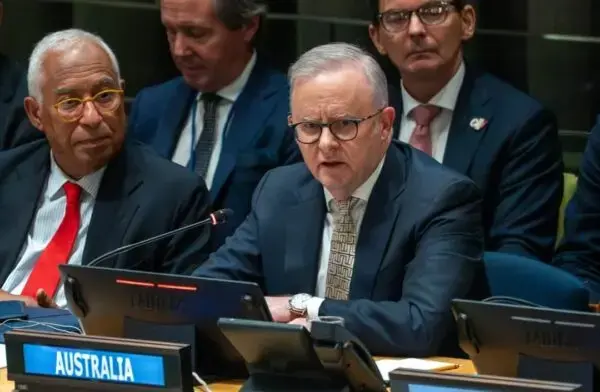
Shifting Geopolitical Landscapes Reshape Council Priorities
Australia has formally initiated its bid to secure a non-permanent seat on the United Nations Security Council. The nation aims to resume its role in the global body for the term beginning in 2029. This move marks a significant diplomatic effort to re-establish its influence on international security matters. The campaign launches against a backdrop of shifting geopolitical dynamics that differ sharply from previous eras.
Breaking news
 South Korea Weighs Strong Response After DMZ Landmine Blast
 Quebec Separatists Promise Referendum After Election Victory
 Pacific Leaders Demand Firm Commitment to Fossil Fuel Exit
 Green Party Faces Crisis After Controversial Vote
The Australian government believes its experience and commitment make it a strong candidate. Officials emphasize that the country brings a balanced perspective to the council’s deliberations. This bid follows a period where Australia was absent from the inner circle of global security decision-making. The administration argues that its return would strengthen the council’s capacity to address emerging threats. Diplomatic teams are already engaging with member states to build a broad coalition of support.
If Australia succeeds in its bid, the operating environment will bear little resemblance to past terms. The international order has undergone profound changes since the country last held a seat. Global conflicts now feature more complex regional dimensions and rapid technological integration. Cybersecurity and climate-related stability have risen to the top of the security agenda. These new priorities require a council that can adapt quickly to evolving crises.
Will Regional Dynamics Favor the Australian Bid?
Australia’s approach focuses on bridging divides between major powers. The strategy involves promoting consensus-based solutions over partisan voting patterns. Leaders argue that a smaller, agile member can often facilitate dialogue where larger blocs struggle. This positioning appeals to nations seeking a more functional and less gridlocked institution. The bid underscores the importance of middle-power diplomacy in modern multilateralism.
Success depends heavily on the composition of other candidates and regional rivalries. The competition for limited seats remains intense among established and aspiring members. Australia must distinguish itself through specific policy commitments and proven track records. Regional allies are expected to play a crucial role in endorsing the candidacy. However, broader international support will determine the final outcome.
Diplomats note that the voting process requires a two-thirds majority in the General Assembly. This threshold ensures that no single region dominates the selection process. Australia’s historical record of constructive engagement provides a solid foundation for its case. The campaign highlights specific contributions to peacekeeping and humanitarian efforts. These tangible results serve as evidence of the country’s reliability and dedication.
The outcome of this bid will signal the future direction of UN reform efforts. A successful return would validate the model of experienced middle-power participation. It could also set precedents for how other nations approach their own campaigns. Failure might prompt a reassessment of the council’s current structure and membership criteria. Regardless of the result, the process will test the resilience of multilateral cooperation. The world watches closely as this diplomatic contest unfolds.
Frequently Asked Questions
When does the proposed term begin? The term for which Australia is bidding starts in 2029. This timing allows for a full cycle of campaigning and voting before the new members take office.
Why is the current context different from previous terms? Global security challenges have evolved significantly, with greater emphasis on technology and climate impacts. The political landscape is also more fragmented, requiring different diplomatic strategies.
What is required to win a seat? A candidate needs a two-thirds majority vote in the UN General Assembly. This ensures broad international consensus rather than regional dominance.