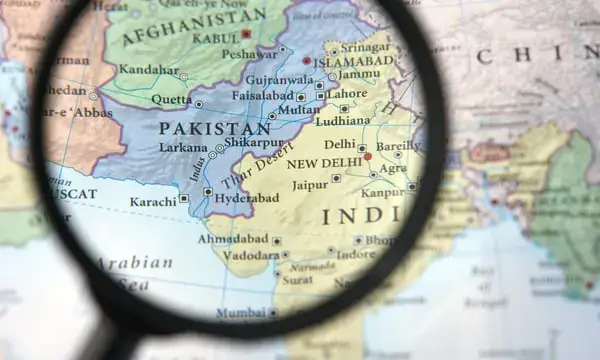
The Political Landscape of Provincial Creation
In Pakistan, ongoing debates about the establishment of new provinces have resurfaced, raising questions about the underlying motives. These discussions have been prevalent in recent years, particularly since August 2026, as political leaders and regional advocates push for administrative changes.
Breaking news
 Deadly Glacier and Rock Collapse in Nepal Linked to Climate Warming
 US Congress Passes Sweeping Sanctions Against Russia
 Speaker Johnson Ends House Session Early to Halt Impeachment Effort
 The High-Stakes Fight for Senate Majority Control
The focus on creating new provinces often overshadows a more critical issue: the need for provincial autonomy. Many argue that the current discourse is a distraction from addressing the fundamental rights and powers of existing provinces. Political analysts suggest that this tactic serves to appease various groups without making substantial changes to governance.
The idea of new provinces has gained traction in various regions, particularly in areas where ethnic and cultural identities are strong. Proponents argue that new provinces could lead to better governance and resource distribution. However, critics contend that these discussions are often politically motivated, aimed at garnering votes or diverting attention from pressing issues.
Is This Debate a Distraction from Real Issues?
Political parties frequently leverage the idea of new provinces to rally support. For instance, leaders may promise the creation of new administrative units during election campaigns to appeal to specific demographics. This strategy can be effective, but it often results in unfulfilled promises once elections are over.
While the conversation around new provinces continues, many wonder if it truly addresses the needs of the people. Autonomy is a significant concern for many regions in Pakistan. Without addressing the distribution of power and resources, merely creating new provinces may not lead to the desired improvements in governance.
Moreover, the lack of genuine dialogue on autonomy undermines the potential benefits of new provinces. Activists argue that without real power-sharing agreements, new administrative divisions may simply replicate existing governance failures. This situation raises doubts about whether the push for new provinces is genuinely in the public interest or merely a political tactic.
Looking ahead, the implications of these discussions are profound. If the focus remains on creating new provinces without addressing autonomy, the cycle of political maneuvering will persist. The challenge lies in shifting the conversation toward meaningful reforms that empower existing provincial governments and address local needs.
Frequently Asked Questions
What are the main arguments for creating new provinces in Pakistan? Supporters believe that new provinces can enhance governance and ensure better resource allocation. They argue that administrative divisions can help address regional disparities.
Why is provincial autonomy a critical issue? Provincial autonomy is essential for allowing regions to manage their affairs effectively. It ensures that local governments have the authority and resources needed to address their unique challenges.
How do political motivations influence the debate on new provinces? Political leaders often use the promise of new provinces as a strategy to gain support during elections. This can lead to unfulfilled promises and a lack of genuine reform in governance.