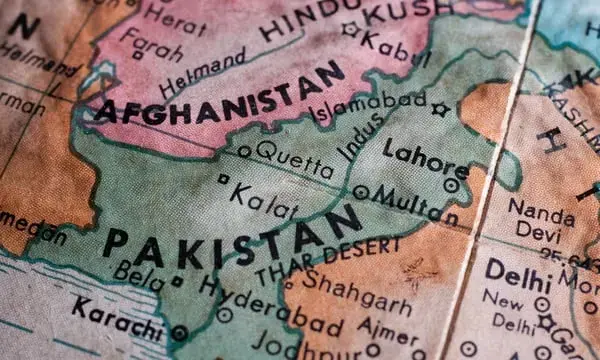
Smaller electorates could increase voter engagement and make representatives
The discussion about creating new provinces in Pakistan centers on whether the country's political system can effectively manage smaller administrative units. Officials and analysts are examining how decentralization might improve governance, representation, and service delivery across diverse regions. The conversation has gained momentum amid calls for greater local autonomy and equitable resource distribution. Proponents argue that smaller provinces could lead to more accountable governance, bringing decision-making closer to citizens and addressing long-standing regional disparities. Critics, however, warn that without meaningful reforms to strengthen institutions and curb patronage, simply redrawing borders may not solve deeper systemic issues. Historical attempts at provincial reorganization have often stalled due to political resistance and concerns over ethnic balance. Can Smaller Units Improve Political Representation? Experts suggest that reducing the size of provinces might allow for more inclusive politics, giving marginalized communities a stronger voice in provincial legislatures.
Breaking news
 Deadly Glacier and Rock Collapse in Nepal Linked to Climate Warming
 US Congress Passes Sweeping Sanctions Against Russia
 Speaker Johnson Ends House Session Early to Halt Impeachment Effort
 The High-Stakes Fight for Senate Majority Control
Smaller electorates could increase voter engagement and make representatives more responsive to local needs. However, success depends on ensuring that new units have adequate financial resources and administrative capacity to function independently. What Challenges Lie Ahead for Provincial Reform? Implementing new provinces requires constitutional amendments, consensus among political parties, and careful consideration of economic viability. There are fears that poorly planned divisions could exacerbate tensions or create unviable administrations dependent on federal bailouts. Past experiences show that without safeguards against corruption and inefficiency, structural changes alone may not yield better outcomes. Frequently Asked Questions How many provinces currently exist in Pakistan? Pakistan currently has four provinces: Punjab, Sindh, Khyber Pakhtunkhwa, and Balochistan, along with the Islamabad Capital Territory. Why do some regions want new provinces? Regions seeking new provinces often cite neglect, unequal development, and desire for greater control over local resources and political representation as key motivations.
Has Pakistan created new provinces before? Yes, Pakistan has created new provinces in the past, most notably Khyber Pakhtunkhwa (formerly North-West Frontier Province) was renamed in 2010, and earlier adjustments occurred during the One Unit period and after independence.