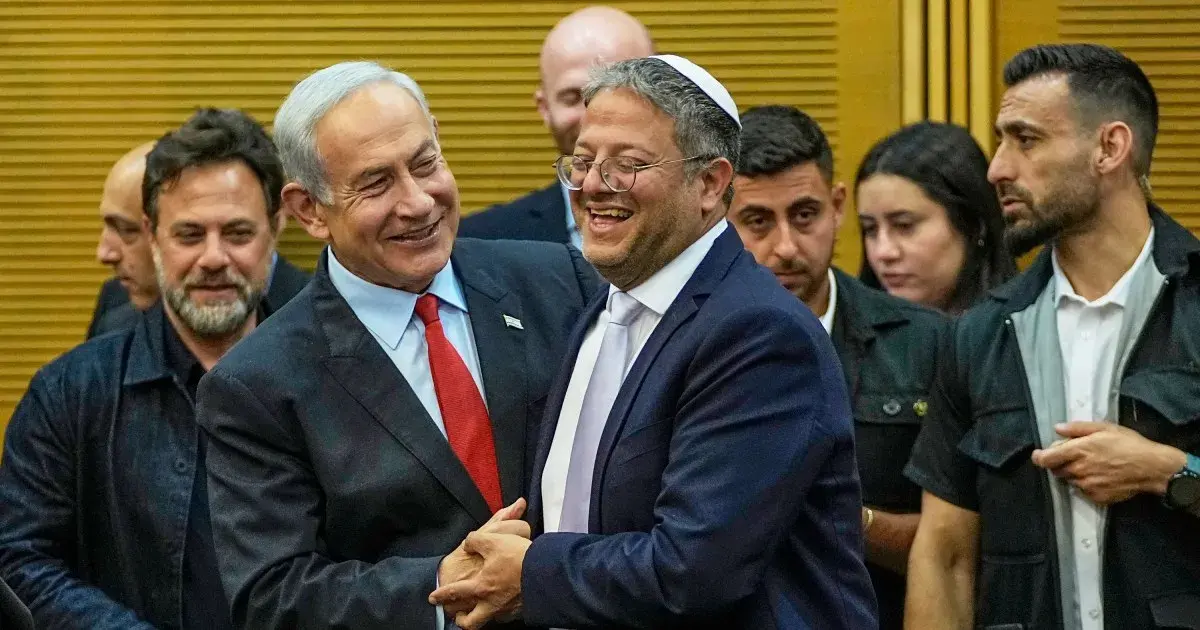
The Legal Threshold for Disqualification
Israel’s Central Elections Committee has moved to disqualify specific Arab political factions from participating in upcoming national ballots. These legal maneuvers target parties accused of undermining the state’s democratic character or supporting armed resistance. The decision marks a significant shift in the country's electoral landscape, sparking intense debate over political inclusion and the rights of the Arab minority within the Israeli parliamentary system.
Breaking news
 Former German Intelligence Chief Faces Espionage Charges
 American Educator Analyzes French Student Demonstrations
 Massive Protests Erupt Across France Over Educational Funding Shortfalls
 French students and teachers protest inadequate school resources
The disqualification process relies on a specific clause in Israeli election law. This provision allows the committee to bar candidates or parties that explicitly reject Israel’s existence as a Jewish and democratic state. Supporters of the ban argue these factions incite violence and threaten national security. Conversely, critics view the move as a calculated attempt to silence dissenting voices and weaken the political influence of Arab citizens.
The committee’s authority is often tested in the Supreme Court. While the panel frequently votes to exclude Arab parties based on ideological grounds, these decisions are often overturned on appeal. Legal experts note that the threshold for a permanent ban is exceptionally high. The state must provide irrefutable evidence that a party’s platform constitutes direct incitement to racism or support for terrorism.
Does This Exclusion Undermine Democratic Legitimacy?
Interestingly, the current regulations create a notable legal paradox. While Arab parties face stringent scrutiny regarding their political platforms, Israeli politicians currently facing international sanctions or arrest warrants from the International Criminal Court remain eligible to run. This discrepancy has drawn sharp criticism from human rights organizations. They argue that the electoral system applies vastly different standards to different segments of the political spectrum.
The exclusion of Arab factions risks alienating a significant portion of the electorate. Arab citizens represent approximately twenty percent of Israel's population. When their representatives are sidelined, many voters feel disenfranchised from the formal political process. This sense of exclusion can lead to lower voter turnout and increased social friction within the country’s diverse communities.
Frequently Asked Questions
The ultimate impact of these bans remains uncertain. If the Supreme Court upholds the committee's latest decisions, it could set a restrictive precedent for future elections. Should the court intervene to protect these parties, it will reinforce the role of the judiciary as the final arbiter of political rights. The outcome will likely shape the nature of Israeli democracy for years to come.
What is the primary reason for banning these parties? The committee cites violations of election laws, specifically allegations that these parties reject Israel’s identity as a Jewish and democratic state. Opponents argue this is a political tool used to suppress minority representation.
Why are politicians under international sanctions still allowed to run? Israeli election law does not currently disqualify candidates based on international warrants or foreign sanctions. These legal hurdles are separate from the domestic criteria used to evaluate political party platforms.


