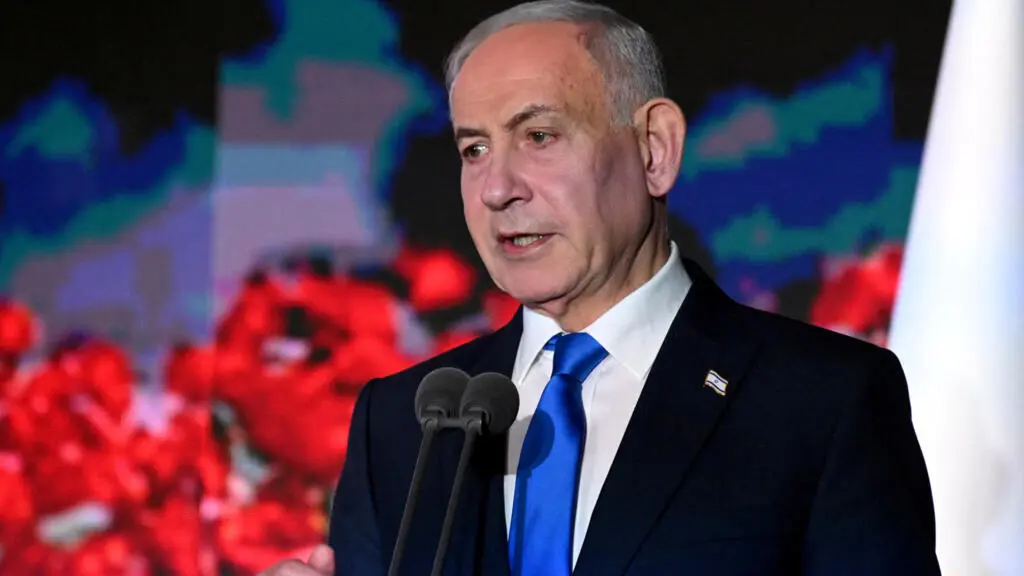
The Coalition’s Fragile Foundations
Three years after the deadly Hamas attack on October 7, Prime Minister Benjamin Netanyahu is battling a political crisis that threatens his coalition and his future in office. The 2024 legislative elections are set for later this month, and Netanyahu must secure support from his allies and the public while dealing with criticism from Arab leaders and domestic opponents.
Breaking news
 Former German Intelligence Chief Faces Espionage Charges
 American Educator Analyzes French Student Demonstrations
 Massive Protests Erupt Across France Over Educational Funding Shortfalls
 French students and teachers protest inadequate school resources
The October 7 assault, carried out by Hamas militants, resulted in the deaths of more than 1,200 Israelis and the abduction of dozens of soldiers and civilians. The attack shocked the nation and triggered a swift military response that has escalated hostilities across the Gaza Strip. In the aftermath, Netanyahu’s government faced intense scrutiny over security failures, internal divisions, and the handling of the crisis.
Arab Leaders Warn of Political Consequences
Netanyahu’s Likud party has struggled to maintain a stable governing alliance. Several coalition partners have threatened to withdraw support, citing concerns over the war’s conduct and the lack of a clear strategy for peace. In recent weeks, the head of the National Unity Party announced a possible exit unless new agreements are reached. Netanyahu has responded by offering concessions on budget allocations and security policy, but the trust deficit remains deep.
The Prime Minister’s ability to navigate these tensions hinges on his diplomatic skill and the willingness of smaller parties to stay aboard. A collapse of the coalition could trigger early elections, forcing Netanyahu to face a public vote under uncertain conditions.
Will the Elections Decide Netanyahu’s Fate?
Arab heads of state have publicly cautioned Netanyahu about the broader implications of the conflict. In a meeting in Amman, Jordan’s King Abdullah II expressed concern that continued hostilities could destabilize the region and erode Israel’s international standing. Similar warnings came from Egypt’s President Abdel Fattah el‑Sisi, who urged restraint and a renewed focus on diplomatic solutions.
These remarks have amplified domestic pressure on Netanyahu to demonstrate decisive leadership. Critics argue that the Prime Minister’s hardline stance may alienate moderate voters and jeopardize Israel’s relationships with key allies. Supporters, however, claim that a firm response is necessary to deter future attacks.
Frequently Asked Questions
The upcoming elections will test Netanyahu’s political resilience. Analysts predict a tight race, with the Likud party facing strong competition from centrist and left‑wing parties that promise a new approach to the Gaza conflict. Voter turnout is expected to be high, reflecting the public’s desire for change after years of war and uncertainty.
If Netanyahu retains a majority, he could continue to shape Israel’s security policy and maintain his influence over regional affairs. Conversely, a defeat would end a 12‑year tenure and usher in a new era of leadership, potentially altering Israel’s stance on the Gaza Strip and its diplomatic relationships.


