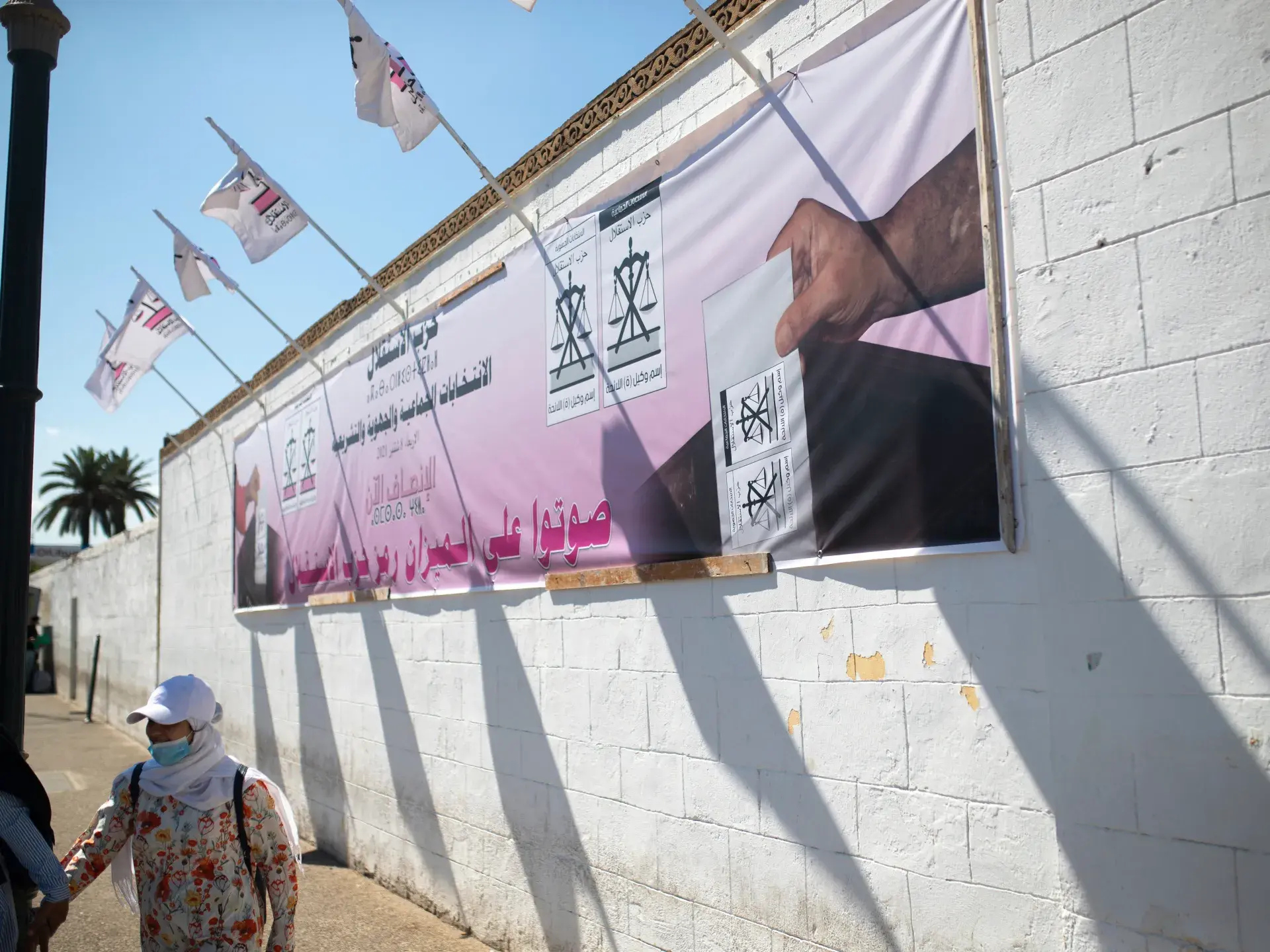
How Are Party Alliances Shifting Before the Vote?
Political tensions are rising in Morocco as the country prepares for upcoming elections, with the official campaign period still days away. The ruling alliance, composed of several parties that have governed together for years, is now showing signs of public disagreement. These divisions are emerging just as political activity intensifies across the country, raising concerns about unity within the government bloc.
Breaking news
 Deadly Glacier and Rock Collapse in Nepal Linked to Climate Warming
 US Congress Passes Sweeping Sanctions Against Russia
 Speaker Johnson Ends House Session Early to Halt Impeachment Effort
 The High-Stakes Fight for Senate Majority Control
The fractures became visible through conflicting statements and social media exchanges among party leaders. While the coalition has maintained a joint front in parliament, recent disagreements over policy priorities and candidate selections have surfaced publicly. Analysts note that economic pressures, including inflation and unemployment, have amplified differences in approach among the allied parties. Some members accuse others of prioritizing electoral gains over governance, while others defend their positions as necessary reforms.
Can the Coalition Reunite Before Voters Go to the Polls?
Traditional allies within the ruling bloc are now emphasizing distinct platforms, particularly on issues like subsidy reform and public sector wages. One party has pushed for stricter fiscal discipline, while another advocates for expanded social spending to ease living costs. These divergent stances are being highlighted in local rallies and online campaigns, even as the formal election period has not yet begun. Observers warn that such visible splits could confuse voters and weaken the coalition’s overall message.
Party insiders suggest that behind-the-scenes negotiations are underway to prevent a full public rupture. Leaders from the largest parties have met privately to reaffirm cooperation agreements and coordinate campaign messaging. However, no joint public appearances have been scheduled yet, and some regional candidates are already running under individual party banners. The outcome of these talks will likely determine whether the alliance presents a united front or enters the election as competing factions.
What is causing the disagreement among Morocco’s ruling parties? The main tensions stem from differing approaches to economic policy, particularly regarding subsidies and public spending, intensified by rising living costs and electoral competition.
Frequently Asked Questions
Will the ruling coalition stay together during the election campaign? While private discussions continue to preserve the alliance, public signs of division suggest the coalition may enter the election with weakened unity, depending on last-minute agreements.
How might internal splits affect the election results? If the ruling parties appear divided, it could reduce voter confidence and potentially benefit opposition groups seeking to capitalize on the disunity.