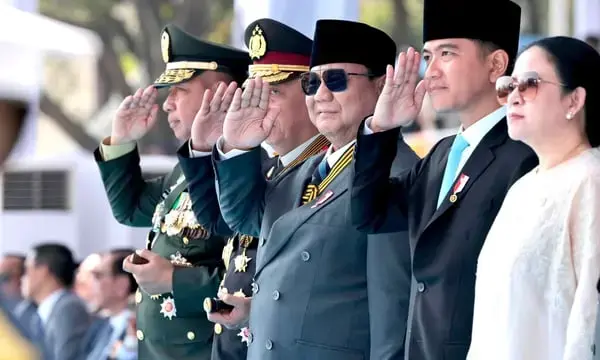
Eroding Institutional Capacity
Indonesia’s new administration, led by President Prabowo Subianto, is facing criticism. Concerns center on a perceived reluctance to utilize expert advice. This approach is raising questions about the quality of policymaking within the nation. The issue surfaced shortly after Prabowo’s inauguration and recent public appearances.
Breaking news
 Deadly Glacier and Rock Collapse in Nepal Linked to Climate Warming
 US Congress Passes Sweeping Sanctions Against Russia
 Speaker Johnson Ends House Session Early to Halt Impeachment Effort
 The High-Stakes Fight for Senate Majority Control
The core of the problem appears to be a preference for direct control. Critics suggest Prabowo’s government is bypassing established channels for technical input. This includes academic institutions, independent think tanks, and specialized technical bodies. These groups traditionally provide crucial data and analysis for informed decision-making. Their exclusion risks policies based on incomplete or biased information.
This trend isn’t simply about excluding voices. It’s about weakening the very institutions designed to support good governance. Academic research offers long-term insights. Think tanks provide policy alternatives and critical assessments. Technical bodies ensure policies are feasible and effective. Ignoring these resources diminishes their value and discourages future contributions. It creates a system where expertise is undervalued, and loyalty may be prioritized.
Will Pragmatism Prevail?
The current situation contrasts sharply with previous administrations. Earlier governments often actively sought input from diverse sources. They recognized the importance of evidence-based policy. This collaborative approach fostered innovation and improved outcomes. Now, there's a growing fear that crucial perspectives are being lost. This could lead to ineffective or even counterproductive policies.
Some observers believe this is a temporary phase. They suggest Prabowo may eventually recognize the need for broader consultation. However, the initial signals are concerning. A reliance on a small circle of advisors, rather than a wider network of experts, limits the range of options considered. It also reduces the chances of identifying potential problems before they escalate.
The long-term consequences could be significant. A decline in the quality of governance could erode public trust. It could also hinder Indonesia’s economic and social development. A nation that doesn’t value expertise risks falling behind in a rapidly changing world. The future hinges on whether Prabowo will embrace a more inclusive approach to policymaking.
Frequently Asked Questions
What specific types of expertise are being overlooked? The concerns primarily involve excluding input from academic researchers specializing in economics, social sciences, and public policy. Also affected are independent think tanks focused on national security and development. Technical bodies with specialized knowledge in areas like infrastructure and environmental management are also being sidelined.
How does this differ from previous Indonesian governments? Past administrations were generally more open to collaborating with experts. They actively sought advice from academic institutions and think tanks. This fostered a more inclusive and evidence-based approach to policymaking, which is now noticeably absent.
Could this impact Indonesia’s international standing? Potentially, yes. A perceived lack of transparency and reliance on limited expertise could damage Indonesia’s reputation. It might also affect its ability to attract foreign investment and participate effectively in international forums.