They argue that an elected body without substantial authority would be symbolic
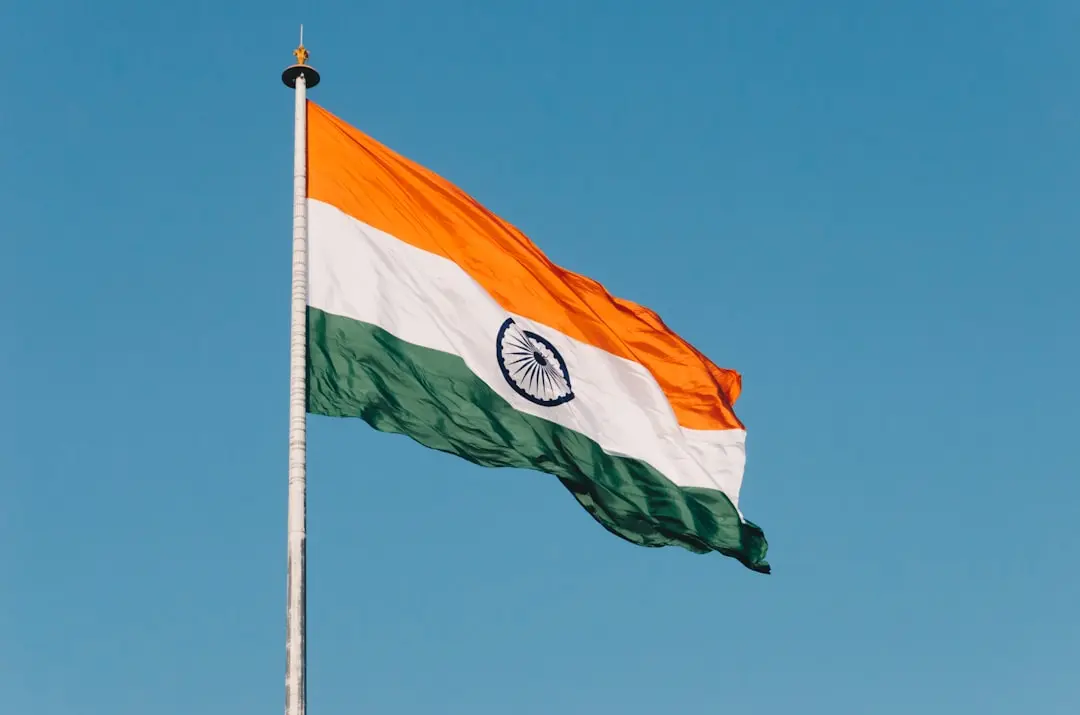
The Indian government has proposed establishing an elected administrative body for Ladakh, a Union Territory directly governed from New Delhi. Announced on September 10, 2026, the initiative aims to introduce local democratic representation in the region, which has been under central rule since its reorganization in 2019. Government officials say the move responds to long-standing demands for greater autonomy and self-governance from Ladakhi communities. However, the proposal has drawn mixed reactions, with some local leaders expressing disappointment over the limited scope of the suggested body, arguing it may not adequately address their aspirations for full statehood or meaningful legislative power. The plan remains under discussion, with no formal legislation introduced yet. Local Leaders Voice Concerns Over Proposed Framework Representatives from Ladakh have welcomed the idea of elected representation but criticized the proposal for falling short of their expectations.
Breaking news
 Deadly Glacier and Rock Collapse in Nepal Linked to Climate Warming
 US Congress Passes Sweeping Sanctions Against Russia
 Speaker Johnson Ends House Session Early to Halt Impeachment Effort
 The High-Stakes Fight for Senate Majority Control
They argue that an elected body without substantial authority would be symbolic rather than substantive. Some leaders have called for a legislative assembly with powers similar to those of other Union Territories like Puducherry or Delhi, emphasizing that true governance requires control over land, jobs, and resources. Others worry the structure could deepen divisions between Leh and Kargil districts, which have differing cultural and political priorities. The government has not yet clarified the exact functions, budget, or electoral process for the proposed body. What Powers Would the Elected Body Actually Hold? Details about the proposed entity’s responsibilities remain vague, fueling uncertainty among residents and officials alike. The government has not specified whether the body would have authority over local laws, budget allocation, or public services such as education and healthcare. Analysts suggest the model might resemble a municipal council rather than a full legislative assembly, limiting its impact.
Without clear constitutional backing or financial autonomy, critics warn the body could become ineffective. Public consultations are expected in the coming months to refine the proposal, but no timeline has been set for implementation. Frequently Asked Questions What is the current administrative status of Ladakh? Ladakh is a Union Territory governed directly by the President of India through a Lieutenant Governor, without an elected legislative assembly or chief minister. Why are Ladakh leaders dissatisfied with the proposal? They believe the elected body lacks real power and falls short of their demand for a legislative assembly with authority over key local matters like land rights and employment. When might the proposed body be formed? No official date has been announced; the government says further discussions and public consultations are needed before any decision is finalized.