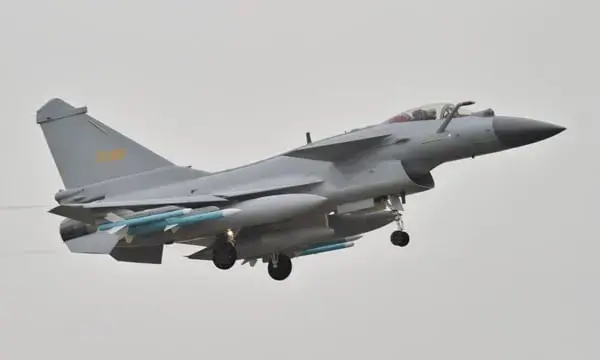
The Perils of a Fragmented Military
Indonesia's incoming President, Prabowo Subianto, faces a complex geopolitical landscape. His strategy of hyper-hedgingaims to maintain diplomatic flexibility for the nation. This approach, however, carries significant risks for military cohesion and regional stability.
Breaking news
 Deadly Glacier and Rock Collapse in Nepal Linked to Climate Warming
 US Congress Passes Sweeping Sanctions Against Russia
 Speaker Johnson Ends House Session Early to Halt Impeachment Effort
 The High-Stakes Fight for Senate Majority Control
This strategy involves carefully balancing relationships with major global powers. It seeks to avoid aligning too closely with any single nation. Such a nuanced stance is crucial for a country with Indonesia's strategic importance.
While diplomatic agility is a goal, this balancing act could lead to military fragmentation. Different branches of the armed forces might develop varying loyalties or equipment dependencies. This lack of unified purpose could weaken Indonesia's overall defense capabilities.
How Does Hyper-Hedging Impact Regional Trust?
Regional uncertainty also looms large. Other ASEAN nations watch Indonesia's moves closely. A fragmented military could undermine regional security cooperation. This could destabilize an already sensitive area.
The strategy of hyper-hedging could erode trust among ASEAN members. If Indonesia appears to favor different external powers at different times, it might be seen as unreliable. This could hinder collective security efforts within the bloc. Trust is essential for effective regional partnerships.
Frequently Asked Questions
The long-term consequences of this strategy are still unclear. Indonesia's ability to navigate these challenges will define its future regional role. Maintaining both diplomatic flexibility and military strength will be key.
What is hyper-hedgingin foreign policy? Hyper-hedging is a diplomatic strategy where a country avoids firm alliances with any single major power. It aims to maintain flexibility by engaging with multiple global actors simultaneously, often balancing competing interests.
What are the primary risks of this strategy for Indonesia? The main risks include military fragmentation, where different defense sectors might develop disparate allegiances or equipment. It also poses a risk of increased regional uncertainty and potential erosion of trust among ASEAN partners.