Climate Crisis Hits Home
Four weeks after catastrophic flash floods tore through Nepal, Prime Minister Balendra Shah addressed the United Nations General Assembly. He had planned to focus on development, democracy, peace, and the hopes of a young nation. Instead, he spoke of death and destruction on an epic scale caused by extreme weather.
Breaking news
 Ronna McDaniel Weighs In on GOP's Path Forward
 Market Sentiment Shifts as S&P 500 Snaps Three-Day Losing Streak
 Voters Demand Stronger Congressional Oversight of Presidential Power
 Pelosi Looks Back, Sees Democratic Triumph Ahead
Himalayas Need Global Cooperation
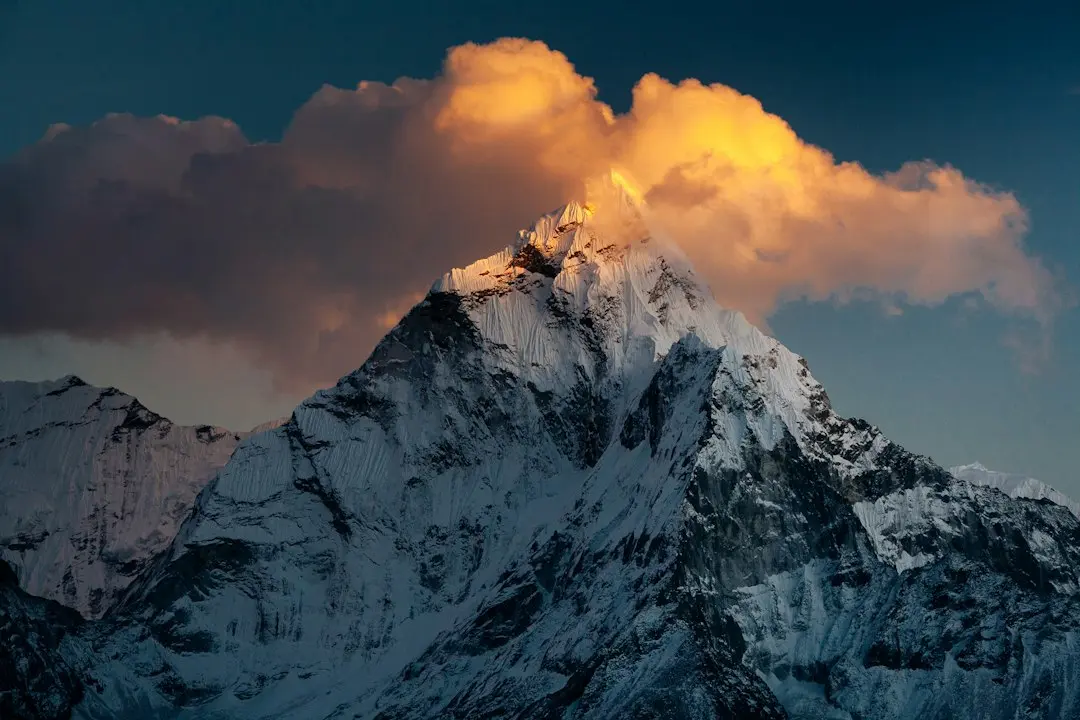
Shah argued that climate-driven dangers do not respect borders. He called for much tighter international cooperation to protect the Himalayan range. He described the massif not as a marginal part of the planet, but as an essential component of Earth’s life-support system.
Proposed Himalayan Climate Resilience Mechanism
To turn that vision into action, Shah proposed a Himalayan Climate Resilience Mechanism led by Nepal, India, and China. The framework would enable satellite data sharing and technical expertise between the three nations. It would also monitor glacial lakes that pose a significant burst risk.
Early Warning and Cross-Border Aid
The prime minister urged stronger early warning systems and coordinated cross-border disaster response. His goal is to make the Himalayas a laboratory for international collaboration, preventing the region from becoming a patchwork of fragmented information.
Climate Justice and Financial Recovery
A central point of Shah’s speech was the paradox facing Nepal. The country contributes less than 0.1% of global greenhouse gas emissions, yet pays a colossal price for a crisis it did not create. He did not name any specific nation or continent, but called for climate action that avoids new geopolitical battlegrounds.
Grants Over Loans
On financial recovery after the floods, Shah emphasized responsibility, repair, and resilience. He strongly advocated for grant-based support rather than loans for vulnerable nations. He argued that wealthy countries should not be forced to take on more debt simply to recover from climate disasters.
Youngest Leader at UNGA
At 36 years old, Shah became the youngest prime minister ever to speak at the 81st UN General Assembly. His remarks came in the wake of a glacier collapse on August 26 near the Nepal-China border in the Tibet Autonomous Region.
Disaster Aftermath
The collapse triggered landslides and a sudden flood that swept through valleys downstream. In the days that followed, the world watched harrowing footage of entire villages leveled and survivors trapped in tunnels deep inside the Himalayas, crawling through thick mud toward rescue teams.
Ongoing Search and Rescue
More than 6,000 people are reported missing. Search and rescue efforts continue around the clock, yielding only sporadic hope, such as the recent discovery of two survivors amid a grim death toll.