Shifting Winds and Pressure Systems
Researchers have identified a significant shift in atmospheric circulation. This change directly influences weather systems affecting millions of people. The study highlights how warming temperatures alter storm tracks. These shifts have profound implications for regional climate stability.
Breaking news
 Montenegro, Albania Seek NATO Help to Counter Russian Disinformation
 Ronna McDaniel Weighs In on GOP's Path Forward
 Market Sentiment Shifts as S&P 500 Snaps Three-Day Losing Streak
 Voters Demand Stronger Congressional Oversight of Presidential Power
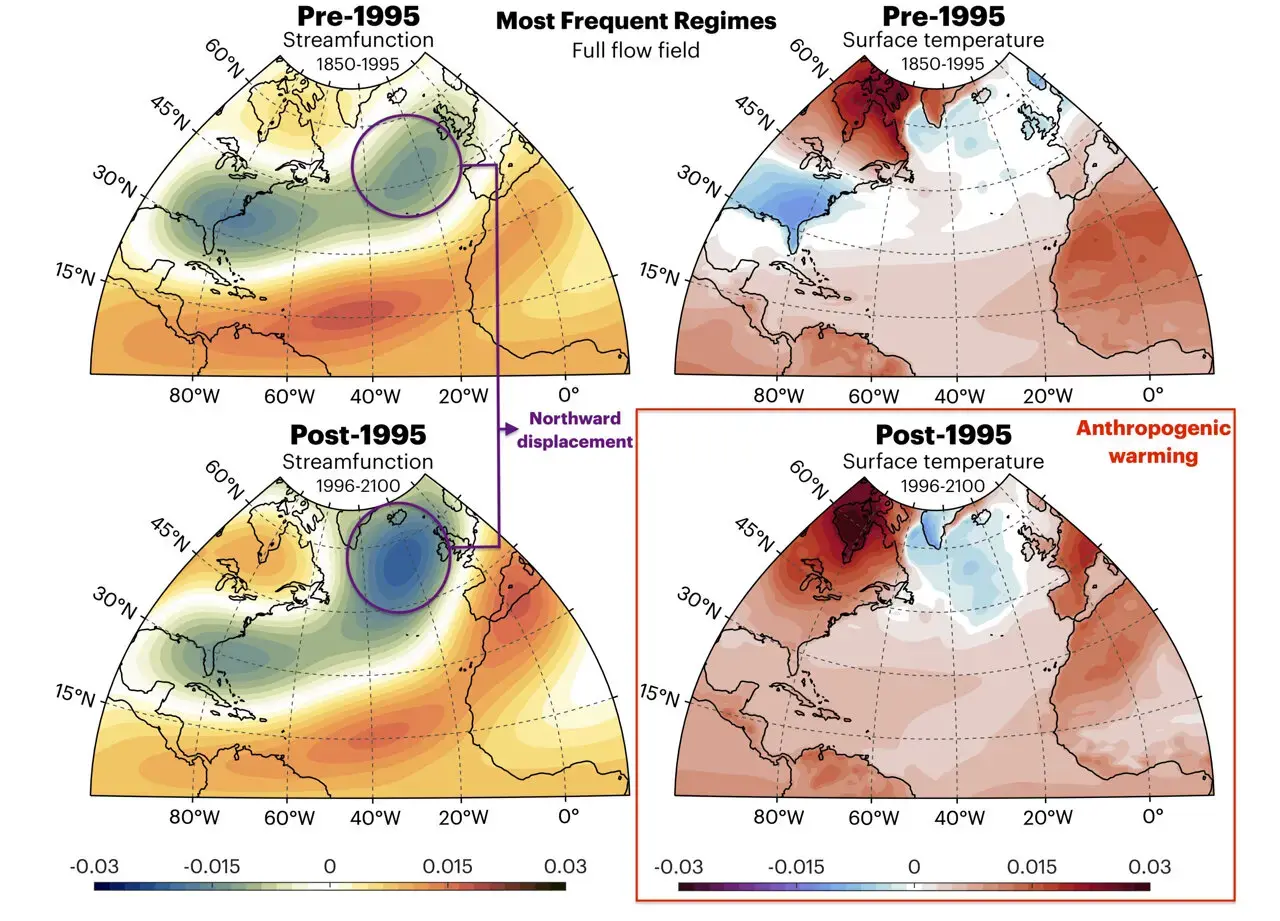
The investigation focuses on the period after 1995. During this time, anticyclonic circulation moved northward. This movement coincides with rising global temperatures. The study links these changes to anthropogenic warming. It suggests that natural variability alone cannot explain the shift. The findings provide new insight into long-term climate trends.
The research details a specific displacement of low-pressure areas. These systems have drifted toward higher latitudes. This northward move alters the typical path of winter storms. Consequently, regions that were once storm-prone may experience different conditions. The study notes that this reorganization is not random. It follows a pattern consistent with thermal expansion and warming.
Why Does This Matter for Coastal Regions?
Scientists analyzed historical meteorological data to confirm this trend. They compared pre-1995 patterns with post-1995 observations. The contrast reveals a distinct structural change in the atmosphere. This shift impacts the jet stream’s position and strength. Such changes can lead to prolonged weather events. For instance, heatwaves or cold snaps may become more frequent. The data supports the idea that human activity is a primary driver.
The North Atlantic serves as a critical climate corridor. Its atmospheric state dictates weather for Europe and North America. A reorganized circulation pattern means altered precipitation levels. Some areas may face increased rainfall, while others become drier. This variability poses challenges for agriculture and water management. Coastal communities also face risks from changing storm intensity.
The study emphasizes the role of human-induced warming. It distinguishes these changes from natural cycles. By isolating anthropogenic factors, researchers clarify the cause. This distinction is vital for accurate future predictions. It helps policymakers understand the urgency of mitigation efforts. The findings underscore the interconnectedness of global systems.
Frequently Asked Questions
How has the North Atlantic circulation changed recently? The anticyclonic circulation has moved northward since 1995. This shift is linked to anthropogenic warming rather than natural variation. The change affects the positioning of low-pressure systems.
Who is affected by these atmospheric changes? Hundreds of millions of people in Europe and North America are impacted. Altered storm tracks can change local weather patterns significantly. This includes shifts in temperature and precipitation.
What caused the reorganization of wind patterns? Human-caused climate change is the primary driver identified. The study rules out natural cycles as the main cause. Rising temperatures have fundamentally altered atmospheric dynamics.