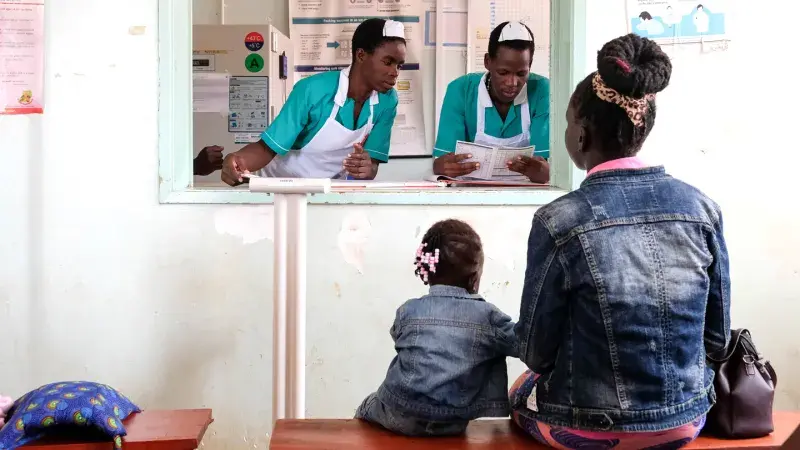
How Elevation Changes Disease Patterns
Rising temperatures are shifting the geographic distribution of malaria in Africa, moving transmission zones away from traditional hotspots toward eastern and southern regions. Historical data and climate models indicate that areas once heavily burdened by the disease may see declining cases, while previously cooler highlands and fringe zones become more susceptible. This shift poses new challenges for public health planning and resource allocation.
Breaking news
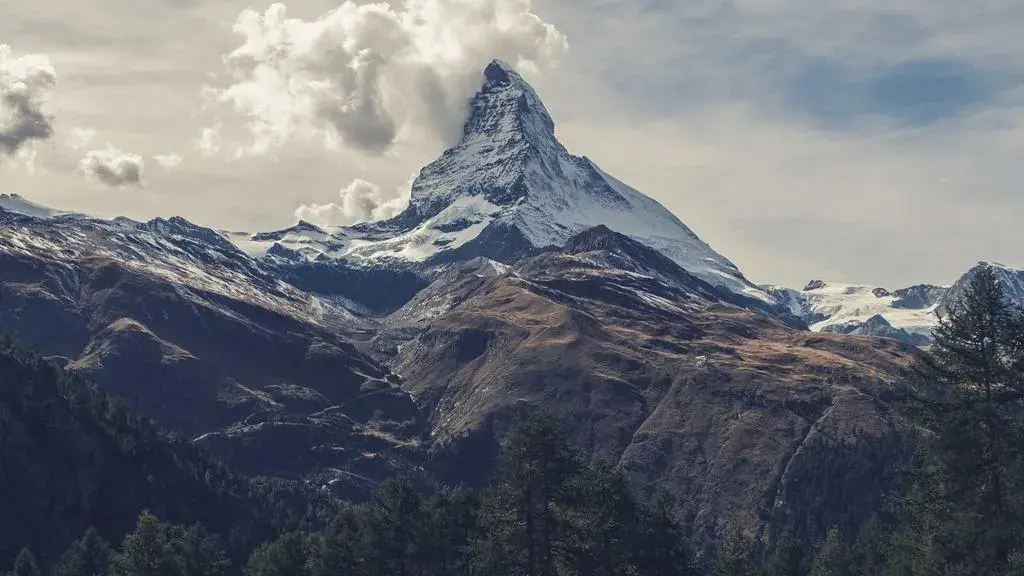 Deadly Glacier and Rock Collapse in Nepal Linked to Climate Warming
 US Congress Passes Sweeping Sanctions Against Russia
 Speaker Johnson Ends House Session Early to Halt Impeachment Effort
 The High-Stakes Fight for Senate Majority Control
Warmer conditions accelerate the development of the malaria parasite within mosquitoes and expand the habitats where these insects can survive. As lowland areas grow too hot for optimal mosquito breeding, populations migrate to higher elevations where temperatures were previously inhibitory. Scientists warn that this movement could expose vulnerable populations with little immunity to increased infection risk, particularly in Ethiopia, Kenya, and parts of South Africa.
What Happens When Immunity Lags Behind?
Studies show that for every 1°C rise in temperature, the upper limit of malaria transmission can shift upward by approximately 150 meters. In East Africa, regions like the Ethiopian Highlands, once considered malaria-free due to cool climates, are now reporting seasonal outbreaks. Health officials note that surveillance systems in these areas are often underprepared, lacking both diagnostic tools and trained personnel to respond effectively.
Communities in newly affected zones may not have developed natural resistance to malaria, making outbreaks more severe when they occur. Children and pregnant women are especially at risk in these transition zones. Experts emphasize that adaptive strategies—such as updating risk maps, strengthening early warning systems, and distributing preventive tools like bed nets ahead of seasonal shifts—are critical to staying ahead of the curve.
Why is malaria moving to higher altitudes? Warmer temperatures allow mosquitoes and the malaria parasite to thrive in areas that were previously too cold, enabling transmission at elevations once considered safe.
Frequently Asked Questions
Are eastern and southern Africa seeing more cases now? Yes, climate projections and field observations indicate increasing suitability for malaria transmission in these regions, particularly in highland fringes and areas with changing rainfall patterns.
Can existing malaria control efforts adapt to this shift? Yes, but only if health systems update their strategies based on evolving risk maps, invest in surveillance in newly vulnerable areas, and prepare communities before outbreaks occur.