Strategic Dilemmas Facing the Xi Jinping Administration
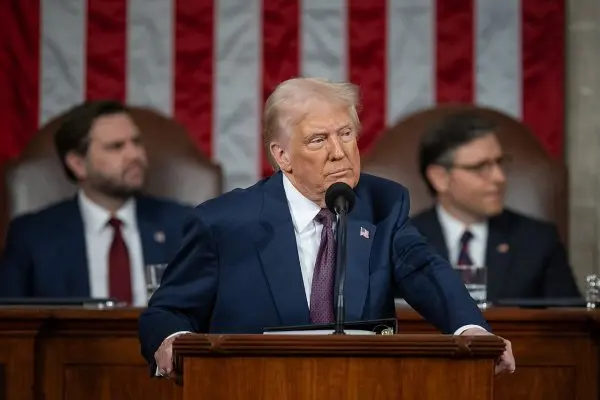
Beijing officials are currently weighing their diplomatic strategy toward Washington following the recent midterm defeat suffered by U. S. President Donald Trump in Congress. Observers worldwide are questioning how this significant political realignment will directly influence critical global issues, including international trade agreements, energy markets, and ongoing geopolitical conflicts in Ukraine and Iran.
Breaking news
 Two men arrested after a boy was wounded in a Gloucester sword attack
 US Midterms: Trump’s Israel Aid Move Fails to Rescue Republican Base
 The Republicans of Florida survived the blue wave, but they're on sunken ground
 Iranian Military Claims Enhanced Strength After Conflict
The shift in legislative power forces foreign capitals to re-evaluate their approaches to the current administration. Xi Jinping's administration now faces a fundamental policy choice regarding whether to dismiss the American leader as politically weakened or to maintain diplomatic investments.
How Will Global Conflicts Be Affected?
Chinese leadership must decide if the American president now operates as an ineffective political figure. Treating the administration as a lame duck could alter bilateral negotiations and economic policies.
Alternatively, Beijing might continue its long-term strategy of cultivating direct ties with the White House despite congressional opposition. The midterm results have injected fresh uncertainty into diplomatic channels, complicating future summits and trade talks between the two superpowers.
Frequently Asked Questions
International analysts suggest that congressional changes could shift the American stance on overseas military engagements. Ongoing diplomatic and logistical efforts regarding the conflicts in Ukraine and Iran may face renewed scrutiny from newly empowered lawmakers on Capitol Hill.
Foreign policy planners in Asia are closely monitoring these domestic developments to anticipate potential policy reversals or legislative gridlock. The ultimate trajectory of American foreign policy depends heavily on how effectively the executive branch can negotiate with a newly configured legislative body.