The Echoes of History in Modern Strategy
A Japanese destroyer, the Murakami-class, sailed through the Taiwan Strait in April 2026. This passage by the Japan Maritime Self-Defense Force (JMSDF) highlights a growing trend. Such naval movements have become more common as tensions around Taiwan escalate.
Breaking news
 Greenpeace Investigates Zaporizhzhia Nuclear Plant Power Lines
 Researcher warns strict age limits needed for children on social media
 Hezbollah defends its arsenal amid Lebanese political deadlock
 Can an AI Chatbot Reduce Maternal Deaths in Kenya?
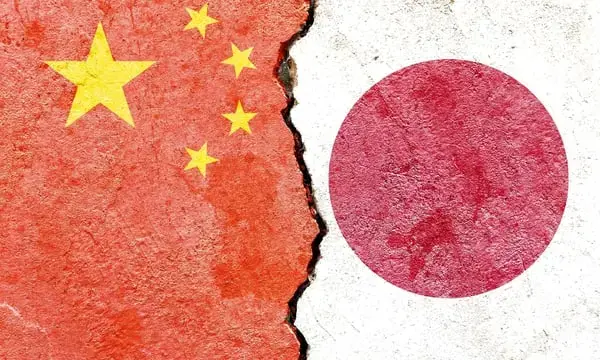
These transits are not just military maneuvers. They are deeply influenced by historical memory. This shared past distorts how China and Japan interpret each other's strategic actions.
Historical memory plays a crucial role in the current dynamic. It shapes how each nation perceives threats and intentions. For China, memories of past Japanese aggression are still vivid. This influences its view of Japanese military activities.
Does Historical Memory Cloud Strategic Judgment?
Japan, in turn, remembers its own historical experiences. These memories inform its strategic outlook. They contribute to a sense of vigilance regarding regional security.
The historical narrative often overshadows present-day realities. This can lead to misinterpretations of strategic signals. A routine naval exercise, for example, might be seen as a provocative act. This is especially true when viewed through the lens of past conflicts.
Frequently Asked Questions
This historical baggage makes clear communication difficult. It creates a cycle where actions are often misread. This raises the risk of unintended escalation in a sensitive region.
What is the significance of the Murakami-class destroyer's transit? The transit of the Murakami-class destroyer through the Taiwan Strait in April 2026 signals increased Japanese naval presence in the region. It reflects rising tensions surrounding Taiwan.
How does historical memory impact current Sino-Japanese relations? Historical memory distorts strategic signaling between China and Japan. Past events influence how each country interprets the other's military actions and intentions, often leading to misperception.