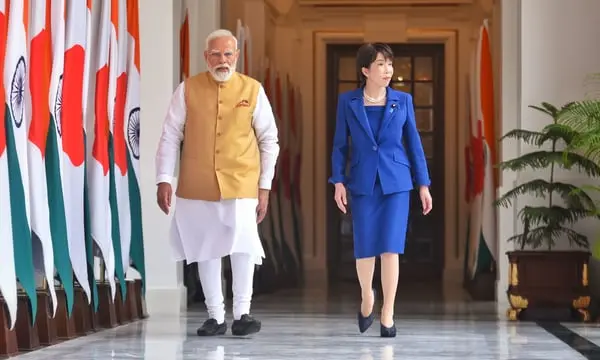
Japan, similarly, has revived its mineral diplomacy through state-backed
India and Japan are intensifying their focus on Africa’s critical mineral resources, seeking to secure supply chains essential for advanced manufacturing and clean energy technologies. This growing engagement reflects a broader shift in global resource dynamics, where Asian economies are looking to diversify away from traditional suppliers and strengthen ties with mineral-rich African nations. The Indian Ocean region is emerging as a key corridor linking Africa’s resource wealth to Asia’s industrial centers. The move comes as both countries aim to reduce dependency on single sources for minerals like lithium, cobalt, and rare earth elements, which are vital for electric vehicles, renewable energy systems, and defense applications. India’s recent policy pushes, including incentives for domestic processing and partnerships with African states, signal a long-term strategy to build resilient supply chains.
Breaking news
 Ronna McDaniel Weighs In on GOP's Path Forward
 Market Sentiment Shifts as S&P 500 Snaps Three-Day Losing Streak
 Voters Demand Stronger Congressional Oversight of Presidential Power
 Pelosi Looks Back, Sees Democratic Triumph Ahead
Japan, similarly, has revived its mineral diplomacy through state-backed investments and joint exploration projects, particularly in southeastern Africa. How Are India and Japan Structuring Their Mineral Engagement in Africa? New Delhi has launched initiatives under its Critical Mineral Mission, offering financial support for Indian companies investing in African mining ventures and pushing for value addition within partner countries. Tokyo, through its Japan Oil, Gas and Metals National Corporation, is funding feasibility studies and pilot projects in nations like Madagascar and Mozambique, focusing on graphite and nickel extraction. Both countries emphasize sustainable practices and local capacity building, aiming to avoid the pitfalls of past resource exploitation. What Risks Could Undermine This Emerging Partnership? Geopolitical instability in some mineral-rich regions, inconsistent regulatory frameworks across African states, and competition from China’s entrenched presence pose significant challenges.
Additionally, infrastructure gaps in transport and power limit the efficiency of mining operations, increasing costs for foreign investors. Experts warn that without coordinated efforts to improve governance and transparency, the benefits of these partnerships may not reach local communities equitably. Frequently Asked Questions Which specific minerals are India and Japan targeting in Africa? They are primarily focused on lithium, cobalt, nickel, graphite, and rare earth elements, which are essential for batteries, electronics, and green energy infrastructure. Are these projects limited to government-to-government agreements? No, while state agencies facilitate initial engagement, much of the investment and operations are carried out by private companies supported through diplomatic and financial backing from New Delhi and Tokyo. How does this engagement differ from historical mineral extraction in Africa? Current efforts emphasize processing within Africa, technology transfer, and adherence to environmental and social standards, although implementation varies and oversight remains critical.