Why Non-Western Powers Hold the Key
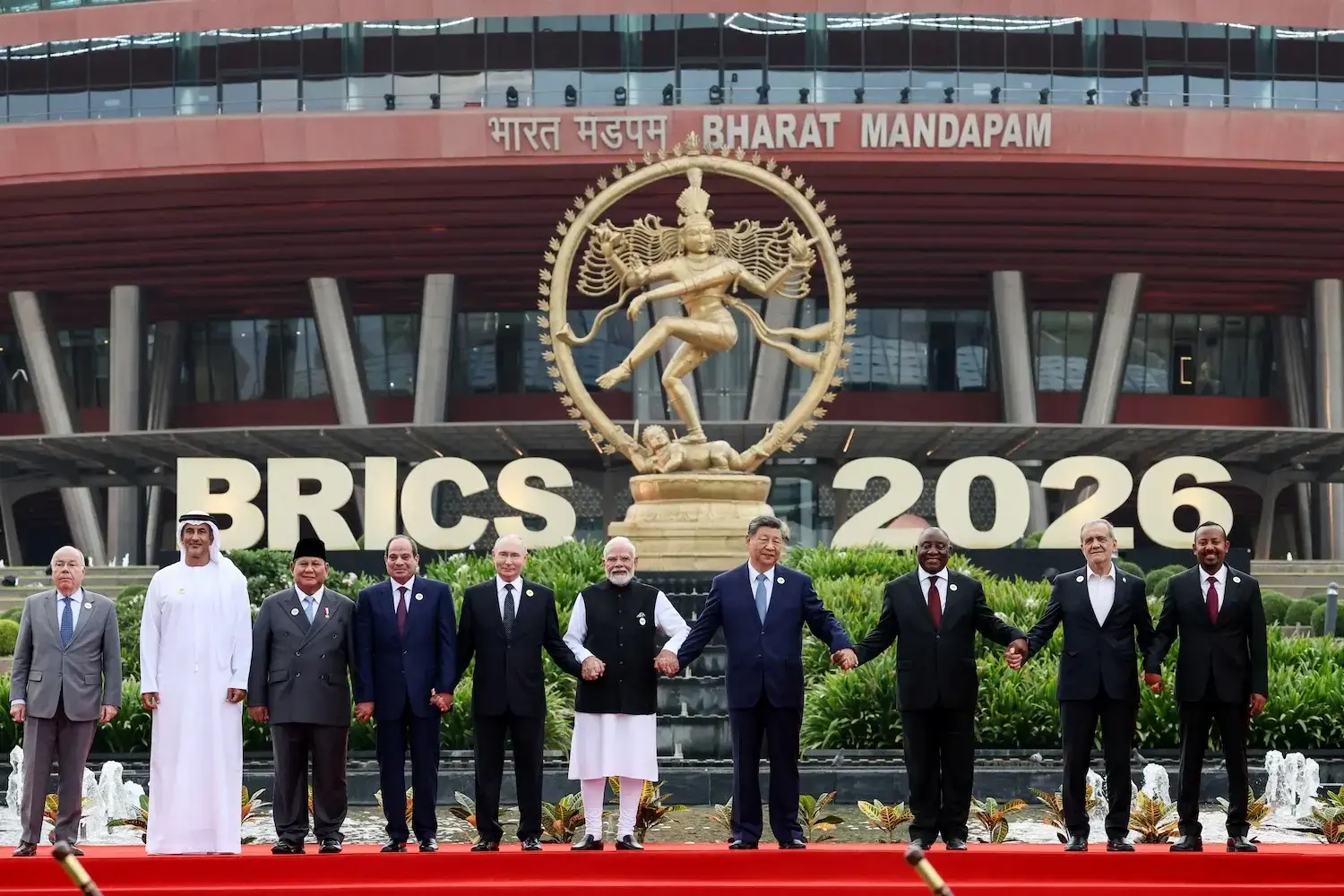
The ongoing war between Israel and Iran has reached a critical juncture where diplomatic efforts led by the United States have stalled. Analysts argue that only three major powers hold the leverage necessary to force a ceasefire. These nations are China, India, and Russia. Their combined influence is now viewed as the primary path toward ending hostilities in the Middle East.
Breaking news
 Deadly Glacier and Rock Collapse in Nepal Linked to Climate Warming
 US Congress Passes Sweeping Sanctions Against Russia
 Speaker Johnson Ends House Session Early to Halt Impeachment Effort
 The High-Stakes Fight for Senate Majority Control
The United States finds itself in a difficult position. While it remains a key player in the region, it lacks the direct economic and political pressure needed to compel both sides to stop fighting. Consequently, American officials are increasingly looking toward Beijing, New Delhi, and Moscow. These countries maintain significant trade relationships and diplomatic channels with Tehran. They can exert pressure through energy deals, military support, and diplomatic backchannels that Washington cannot easily replicate.
China stands out as the most influential actor in this dynamic. It is the largest buyer of Iranian crude oil. This economic dependency gives Beijing substantial leverage over Tehran. If China signals that continued fighting threatens its energy security, Iran may feel compelled to negotiate. Russia also plays a vital role. It supplies advanced military hardware to Iran and maintains strong diplomatic ties. Moscow can coordinate with China to present a unified front. This alignment creates a powerful incentive for Iran to seek a resolution.
Can Coordination Overcome Historical Rivalries?
India adds another layer of complexity to the equation. As a major consumer of Middle Eastern energy, New Delhi has a vested interest in regional stability. Unlike some Western allies, India maintains balanced relations with both Israel and Iran. This neutrality allows it to act as a credible mediator. Indian diplomats can communicate concerns to Tehran without triggering defensive reactions often seen with US-led initiatives. The combination of these three nations creates a rare opportunity for coordinated pressure.
Historically, China, India, and Russia have had competing interests in the region. However, the current crisis forces them to prioritize a common goal. A prolonged war disrupts global energy markets and trade routes. All three nations suffer economically from instability. Therefore, their shared interest in peace outweighs their usual diplomatic friction. Recent diplomatic signals suggest they are working together behind the scenes. They are drafting joint proposals to present to Tehran. These proposals aim to address Iranian security concerns while limiting its nuclear program.
The success of this approach depends on clear communication. Each nation must agree on specific terms before presenting them to Iran. Disagreements could weaken the message. However, the urgency of the conflict encourages cooperation. If they succeed, it would mark a shift in global diplomacy. It would demonstrate that non-Western powers can lead major peace processes.
The outcome of this diplomatic push will define the next phase of the Middle East conflict. If China, India, and Russia fail to coordinate, the war may continue indefinitely. Conversely, a successful intervention could bring a lasting truce. The world is watching closely to see if these rivals can set aside differences for the greater good.
Frequently Asked Questions
Why is China considered the most important mediator? China is the largest purchaser of Iranian oil. This economic link gives it unique leverage to influence Tehran's decisions regarding the war.
How does India contribute to the peace process? India maintains neutral relations with both Israel and Iran. This balance allows it to serve as a trusted channel for communication and mediation.
What happens if these three nations do not agree? Without a unified front from these key powers, diplomatic pressure on Iran will remain fragmented. This could lead to a prolonged conflict with no clear end in sight.