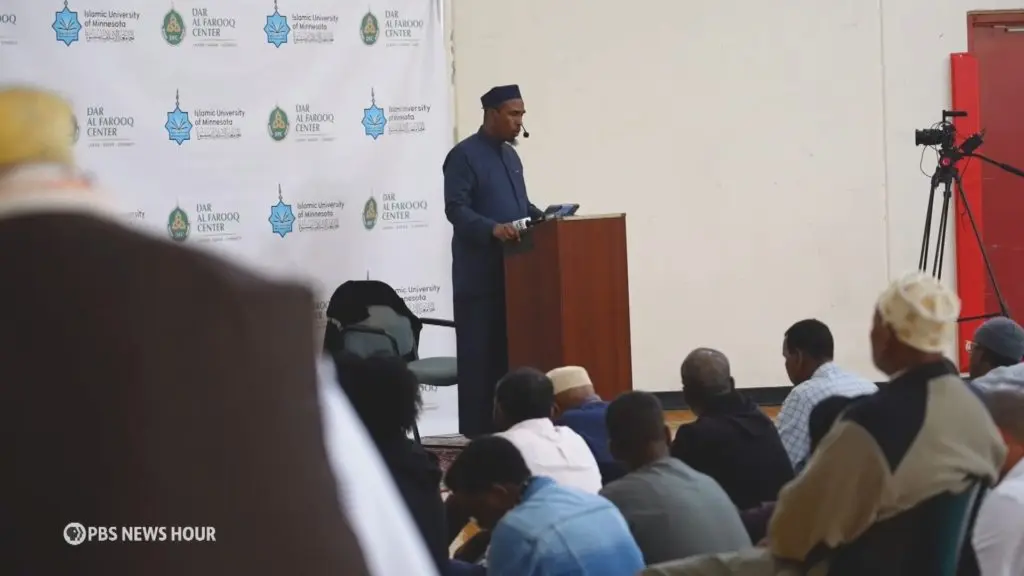
Rhetoric Shifts in Campaign Materials
In the lead-up to the 2026 midterm elections, experts have documented a significant increase in Islamophobia across political advertising and public speeches. The hostility targets Muslim communities directly, marking a sharp rise compared to previous election cycles.
Breaking news
 Montenegro, Albania Seek NATO Help to Counter Russian Disinformation
 Ronna McDaniel Weighs In on GOP's Path Forward
 Market Sentiment Shifts as S&P 500 Snaps Three-Day Losing Streak
 Voters Demand Stronger Congressional Oversight of Presidential Power
Political ads and campaign events have featured increasingly negative portrayals of Muslims. Researchers tracking this trend note that the rhetoric often links Islam to security threats or cultural division. This pattern emerged prominently in the final weeks before voting day.
Why Is This Trend Rising Now?
Analysts point to a measurable uptick in ads using fear-based messaging about Muslim voters and leaders. The shift reflects broader political polarization heading into the midterms. Campaign teams are testing these messages to gauge voter reaction in key swing districts.
Political strategists believe the timing coincides with heightened national debates over immigration and national identity. As campaigns intensify, the use of religious identity as a political wedge issue has grown. This creates a hostile environment for Muslim candidates and supporters during the election period.
The surge in Islamophobic messaging carries consequences beyond the election itself. Muslim communities report feeling targeted and marginalized in public discourse. Looking ahead, observers expect the impact to persist, shaping how Muslim voters and leaders navigate the political landscape in the months following the midterms.
Frequently Asked Questions
How widespread is the Islamophobia in midterm ads? Experts document the surge across multiple states and media markets. The hostility appears in both television spots and live campaign speeches.
What impact does this have on Muslim voters? The negative messaging creates pressure on Muslim candidates and supporters. It also influences how Muslim voters perceive party platforms and candidate positions on religious issues.


