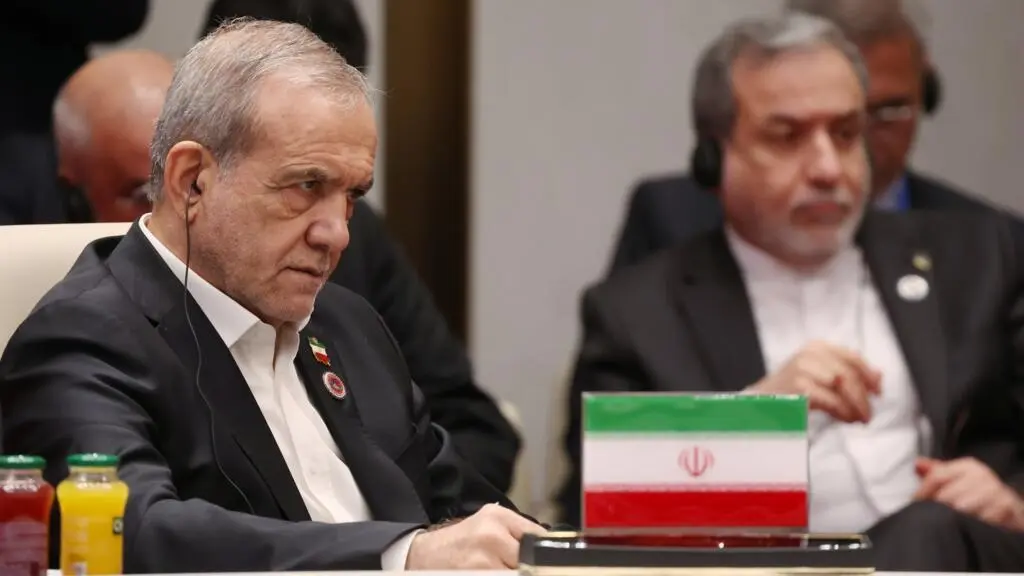
Tehran’s Call for a Definitive U. S. Decision
Tehran’s president, Masoud Pezeshkian, told Fox News on Thursday that the United States must choose whether to end its ongoing conflict with Iran. He made the remarks after a forceful speech at the United Nations on Wednesday, which prompted his trip to New York for the interview.
Breaking news
 Ronna McDaniel Weighs In on GOP's Path Forward
 Market Sentiment Shifts as S&P 500 Snaps Three-Day Losing Streak
 Voters Demand Stronger Congressional Oversight of Presidential Power
 Pelosi Looks Back, Sees Democratic Triumph Ahead
Pezeshkian’s comments came amid heightened diplomatic tension. He argued that Iran does not wish to prolong a war that it views as unnecessary, placing the responsibility squarely on Washington. The president’s stance reflects Tehran’s broader demand for a clear U. S. decision, suggesting that continued ambiguity only fuels further confrontation.
In the interview, Pezeshkian emphasized that the United States holds the power to de‑escalate. „It is for the United States to choose whether to end its war in Iran,” he said, underscoring that Iran will not seek to extend the conflict. The president’s message was aimed at both American policymakers and the international community, urging a swift resolution.
Will the United States Respond to Iran’s Ultimatum?
The question now hangs over diplomatic corridors: will Washington heed Tehran’s demand? Analysts note that the U. S. faces pressure to clarify its position, as prolonged uncertainty could destabilize regional security. Any shift in policy could reshape negotiations and affect broader Middle‑East dynamics.
If the United States opts to end hostilities, it could open a path toward renewed dialogue and reduce military expenditures. Conversely, a continued stalemate may deepen mistrust and prolong the humanitarian toll on both sides.
Frequently Asked Questions
What did President Pezeshkian say about the conflict? He told Fox News that ending the war depends on a U. S. decision, stating Iran does not want to keep fighting.
Why did he address the United Nations? He used the UN platform to publicly demand a clear U. S. stance and to signal Tehran’s readiness to end the conflict if Washington chooses.
What are the possible outcomes of a U. S. decision? A U. S. move to end the war could lead to diplomatic talks and reduced tensions, while inaction may sustain the current deadlock.