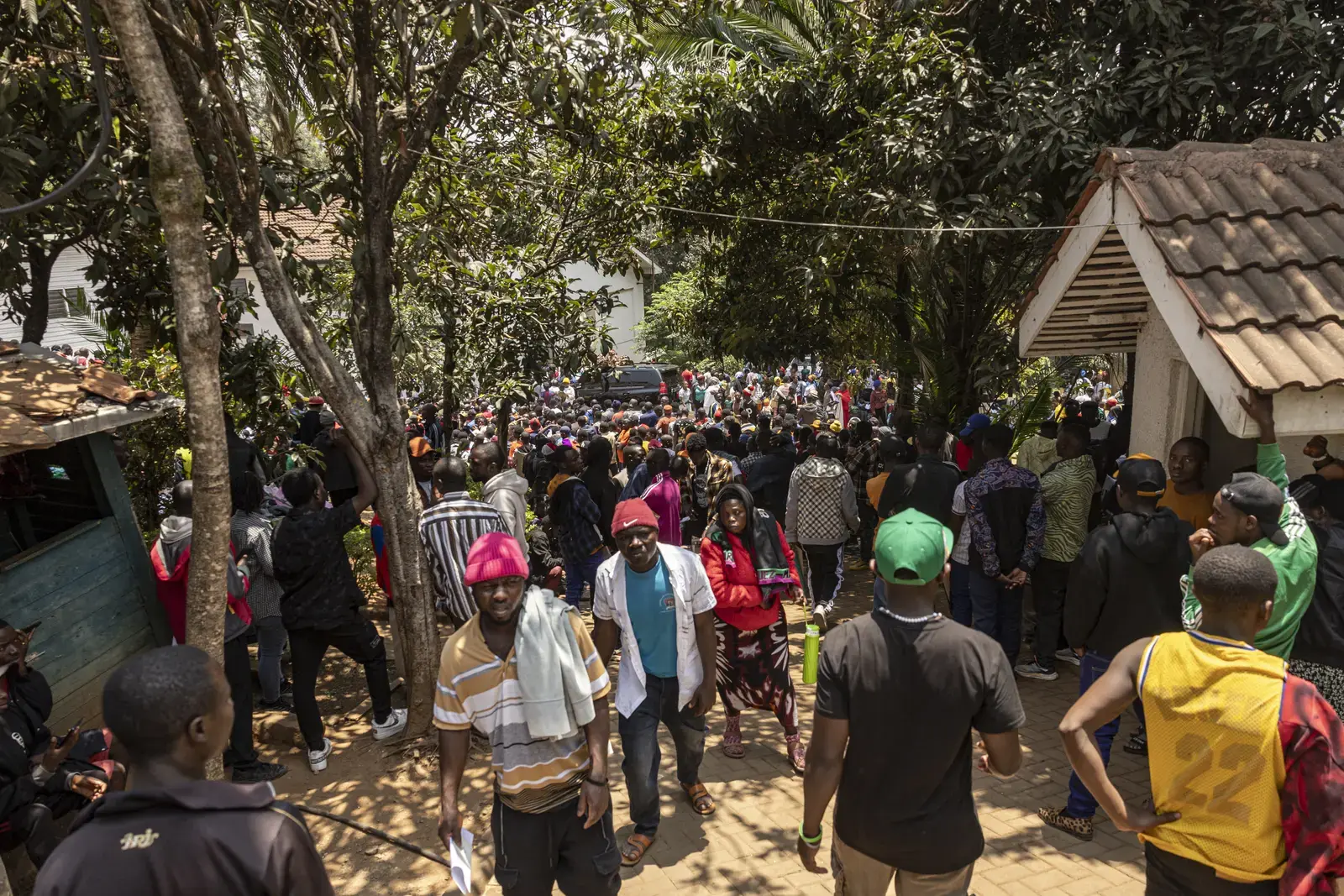
Migrant Fear Rises as Enforcement Intensifies
Kenya's president ordered a crackdown on foreign traders operating in informal markets. The measure targets non‑citizen merchants in Nairobi and surrounding migrant neighborhoods, effective September 2026. He says the policy protects local businesses and curbs illegal trade. Community leaders warn that sudden enforcement may cause fear and loss of income.
Breaking news
 Deadly Glacier and Rock Collapse in Nepal Linked to Climate Warming
 US Congress Passes Sweeping Sanctions Against Russia
 Speaker Johnson Ends House Session Early to Halt Impeachment Effort
 The High-Stakes Fight for Senate Majority Control
The president, citing tax evasion and unfair competition, told police to raid markets and seize goods from non‑citizen vendors. Authorities have increased inspections, imposed heavy fines, and threatened license revocations. Market vendors report sudden raids, loss of stock, and intimidation, while community leaders say the policy may push traders underground, reducing compliance.
Local shop owners say police enter stalls without warning. Ahmed Hassan, a Kenyan vendor, reported that his stock was taken overnight. Migrant families now fear loss of income and possible deportation. Statistics show a 30% rise in detention cases since the crackdown began, and many traders lack legal representation.
Will the Crackdown Drive Long‑Term Change?
Officials claim the crackdown will restore market fairness and boost tax revenue. Analysts warn heavy enforcement may push traders underground, lowering compliance and harming the economy. The government says it will review the measures after six months, balancing business interests with immigration concerns.
If enforcement continues, many foreign traders may relocate or operate covertly, affecting local economies. The president hints at stricter regulations, while community groups call for inclusive policies to protect vulnerable migrants.
Frequently Asked Questions
What prompted the president to target foreign traders? He cited tax evasion and unfair competition as reasons. The administration says protecting domestic commerce is essential for economic stability. Officials also point to public pressure for fair competition.
How are migrant communities reacting to the crackdown? Many fear sudden raids and possible deportation, which has reduced market activity. Community leaders are organizing legal assistance and seeking support from international NGOs. Some traders report intimidation and loss of livelihoods.
Will the crackdown affect Kenya’s trade balance? Authorities expect higher local sales and increased tax collection in the short term. Long‑term effects remain uncertain as informal traders may shift operations elsewhere. The overall impact on trade balance will depend on how quickly legitimate businesses adapt.