Shifting Dynamics Among Minority Voters
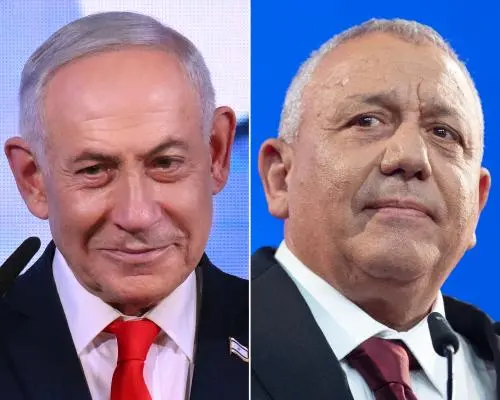
Israel is bracing for a period of intense political negotiations following a closely contested national election. Exit polls and preliminary official counts indicate that neither Benjamin Netanyahu’s coalition nor the opposition bloc led by Gadi Eisenkot secured a decisive parliamentary majority. The country now faces the prospect of weeks of complex power-sharing talks.
Breaking news
 Montenegro, Albania Seek NATO Help to Counter Russian Disinformation
 Ronna McDaniel Weighs In on GOP's Path Forward
 Market Sentiment Shifts as S&P 500 Snaps Three-Day Losing Streak
 Voters Demand Stronger Congressional Oversight of Presidential Power
The current deadlock reflects a deeply divided electorate. Netanyahu’s right-wing bloc remains locked in a tight race against the opposition, with both sides falling short of the necessary threshold to govern independently. Projections suggest that the final seat count will remain razor-thin, leaving neither side with a clear mandate to form a stable administration immediately.
A notable development in this election cycle is the rise in support for Palestinian-aligned parties. These groups have seen an uptick in voter turnout, complicating the traditional arithmetic of Israeli coalition building. Their increased representation adds a new layer of difficulty for mainstream parties attempting to assemble a functional government majority.
Can a Stable Government Emerge from the Gridlock?
The electoral landscape has become increasingly fragmented. Major television networks are reporting figures that suggest a near-tie between the two primary camps. This stalemate forces party leaders to engage in high-stakes bargaining, as every single seat in the Knesset becomes vital for potential coalition partners.
The path forward remains fraught with obstacles. Political analysts anticipate that party heads will spend the coming weeks courting smaller factions to bridge the gap toward a majority. Without a clear victor, the nation risks another round of legislative instability or even the possibility of repeat elections if consensus cannot be reached.
The outcome of these negotiations will determine the future direction of the country’s domestic and foreign policy. As leaders begin the process of forming alliances, the Israeli public remains in a state of suspense. The ultimate success of any coalition will depend on the willingness of rival factions to compromise on key ideological differences.
Frequently Asked Questions
Why is a government not being formed immediately? Neither major political bloc secured the required number of seats to hold a parliamentary majority. This necessitates lengthy negotiations to form a coalition government with smaller parties.
What role do smaller parties play in this process? Smaller parties act as kingmakers because their support is essential for either major bloc to reach the required majority. They often use this leverage to demand specific policy concessions or cabinet positions.
What happens if no coalition is formed? If party leaders fail to reach an agreement, the country could face continued political paralysis. In extreme cases, this may lead to the dissolution of parliament and the scheduling of yet another national election.


