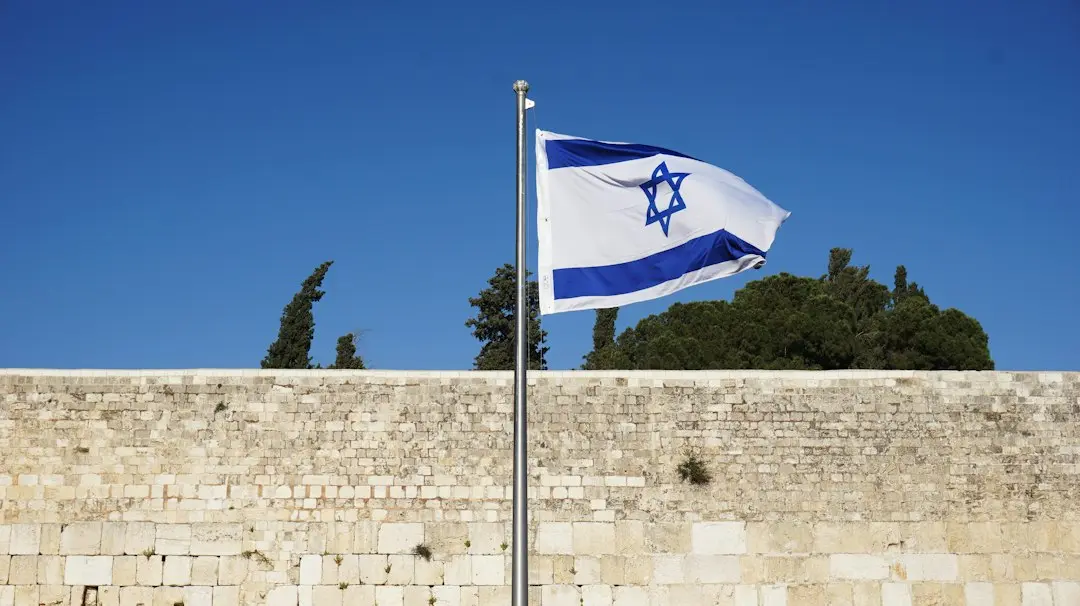
The Struggle for Parliamentary Control
Israel’s latest legislative elections concluded Tuesday without a clear winner, leaving the nation’s political future in limbo. Exit polls released by major television networks suggest that Benjamin Netanyahu’s Likud-led coalition is currently tracking for only 51 seats. This result falls short of the parliamentary majority required to establish a stable government.
Breaking news
 Ronna McDaniel Weighs In on GOP's Path Forward
 Market Sentiment Shifts as S&P 500 Snaps Three-Day Losing Streak
 Voters Demand Stronger Congressional Oversight of Presidential Power
 Pelosi Looks Back, Sees Democratic Triumph Ahead
The current deadlock reflects a deeply fractured electorate. With no single party or bloc securing a definitive mandate, the path toward forming a functional cabinet remains obstructed. Political analysts suggest that the country may be heading toward protracted negotiations or even further instability as parties struggle to bridge their ideological divides.
The projected seat count indicates that the Likud party and its traditional allies are unable to reach the 61-seat threshold needed for a governing majority. This shortfall forces political leaders to seek unconventional alliances to build a coalition. Without a clear victory, the influence of smaller, fringe parties may increase significantly during the bargaining process.
Will the Stalemate Trigger Another Election?
President Isaac Herzog is expected to play a pivotal role in the coming days. He holds the constitutional authority to consult with party leaders and designate a candidate he believes is best positioned to assemble a government. This process often involves intense backroom deals and compromises that can fundamentally alter the proposed legislative agenda.
The failure to secure a clear mandate raises concerns about the longevity of any future government. If potential coalition partners cannot agree on key policy issues, the country could face a period of administrative paralysis. Historically, such uncertainty in Israel has occasionally led to repeated election cycles when consensus proves impossible to achieve.
The immediate focus now shifts to the official vote count and the subsequent consultations at the President’s residence. Netanyahu’s ability to retain power depends entirely on his capacity to persuade rival factions to join his coalition. Failure to do so could result in a new administration led by opposition figures or a transition into a caretaker government.
Frequently Asked Questions
What happens if no candidate can form a government? If no candidate successfully builds a coalition, the nation may be forced to hold another round of legislative elections. This would prolong the current political instability and delay critical policy decisions.
What is the role of President Isaac Herzog? The President acts as a mediator by meeting with party representatives to assess their support. He then grants a mandate to the candidate most likely to command a majority in the Knesset.
How many seats are needed to win? A party or coalition requires at least 61 seats out of 120 in the Knesset to form a government. Current projections show the Likud-led bloc significantly below this essential target.



