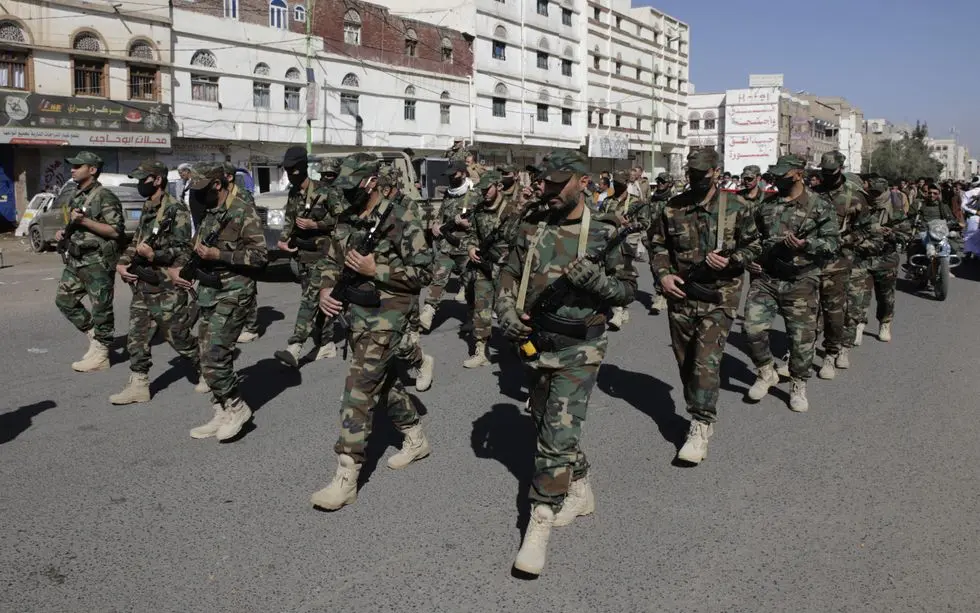
Strategic Shifts Along the Red Sea Coast
The Houthis launched a massive military offensive in Yemen this week, seizing significant coastal territory along the Red Sea. Following an unprecedented series of airstrikes against Saudi Arabia, the group expanded its ground operations rapidly. This aggressive push has pulled Yemen’s conflict back into the broader regional spotlight. The sudden escalation threatens critical shipping lanes and challenges the authority of the Saudi-backed government.
Breaking news
 Deadly Glacier and Rock Collapse in Nepal Linked to Climate Warming
 US Congress Passes Sweeping Sanctions Against Russia
 Speaker Johnson Ends House Session Early to Halt Impeachment Effort
 The High-Stakes Fight for Senate Majority Control
The Houthi movement executed a coordinated strategy that combined aerial attacks with ground maneuvers. They targeted key infrastructure in Saudi Arabia before shifting focus to domestic consolidation. By capturing large swathes of land, they aimed to secure their strategic position near vital maritime routes. This dual approach demonstrates a shift from defensive posturing to active territorial expansion. The speed of their advance caught many regional observers off guard.
The recent seizures of territory mark a significant change in the balance of power within Yemen. The Houthis now control more of the coastline, which directly impacts global trade flows. Ships passing through the Bab el-Mandeb strait face increased risks due to the group’s enhanced presence. Analysts suggest this move is designed to pressure Saudi Arabia into diplomatic negotiations. The group seeks to leverage their geographic advantage to gain political concessions. Their ability to disrupt shipping serves as a powerful bargaining chip in ongoing talks.
Will Washington and Riyadh Re-Engage?
The offensive also signals a renewed commitment to the broader regional conflict. By expanding their footprint, the Houthis challenge the existing security architecture in the Gulf. Saudi Arabia faces mounting pressure to respond decisively to the new threat. The international community watches closely as the situation evolves. Diplomatic channels remain open, but military tensions are rising sharply. The Houthis have demonstrated their capacity to project power beyond their traditional strongholds.
The rapid Houthi advance raises immediate questions about foreign intervention. The United States and Saudi Arabia may be forced to reconsider their involvement in Yemen. Previous withdrawals left a vacuum that the Houthis have now exploited effectively. Washington might deploy additional naval assets to protect commercial vessels. Riyadh could increase support for allied forces to counter the ground offensive. Both nations face domestic pressures to act decisively against the escalating threat.
Diplomats indicate that informal talks are underway between key stakeholders. However, the momentum of the Houthi offensive complicates any potential ceasefire. The group’s leadership appears confident in their current military position. They continue to assert that their actions are justified by regional grievances. The coming weeks will determine if the conflict stabilizes or intensifies further.
The outcome of this phase will shape the future of Yemen’s civil war. A successful Houthi consolidation could lead to a de facto partition of the country. Conversely, a coordinated response by Saudi and American forces might halt their progress. The Red Sea remains a focal point for global economic stability. Investors and policymakers monitor developments closely for signs of broader disruption. The region stands at a critical juncture where military action meets diplomatic negotiation.
Frequently Asked Questions
How much territory did the Houthis seize? The Houthis captured large swathes of territory along the Red Sea coast. This expansion significantly increases their control over strategic maritime approaches.
Why is this offensive happening now? The strikes followed a series of unprecedented airstrikes on Saudi Arabia. The group aims to consolidate power and pressure regional allies diplomatically.
Who is most affected by the advance? Saudi Arabia and the United States face the greatest strategic concerns. Global shipping companies also report heightened risk assessments for Red Sea routes.