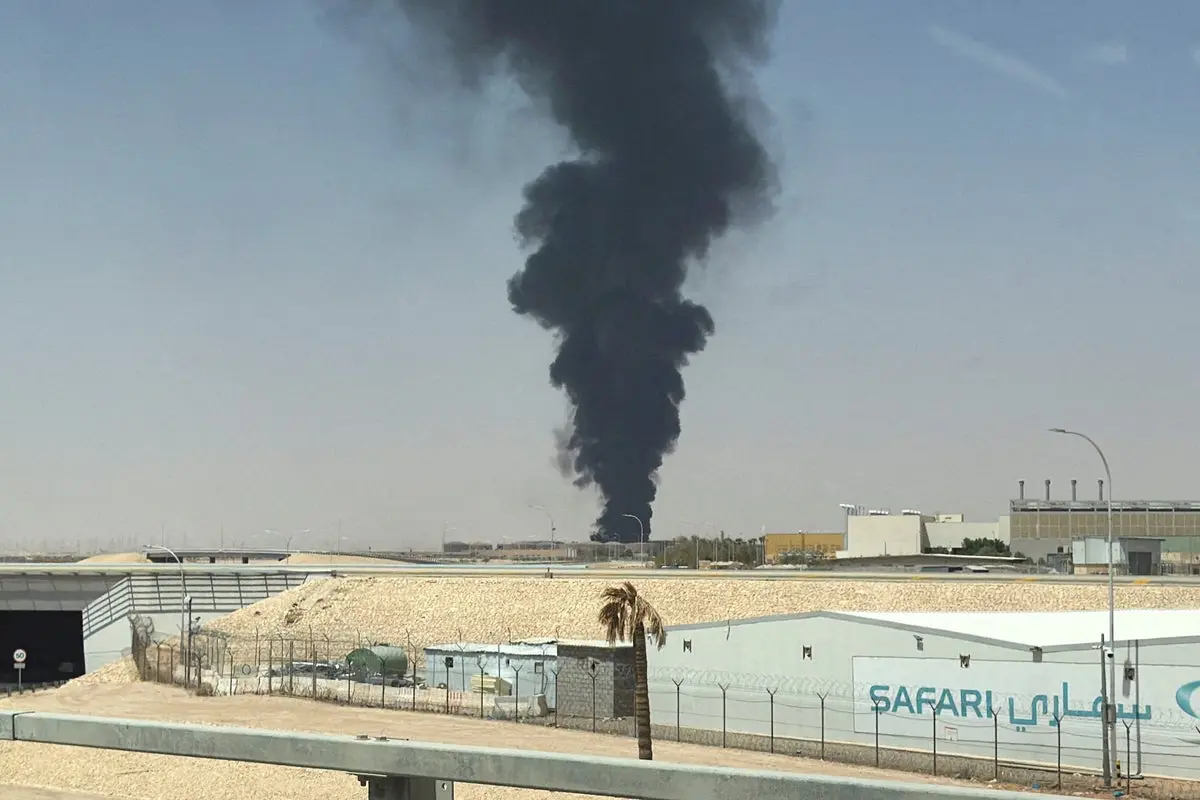
Red Sea: A Strategic Battlefield
The Houthi movement in Yemen has intensified strikes against Saudi Arabian targets, raising concerns over regional stability. Over the past month, the group has launched missile and drone attacks from positions along the Red Sea coast, targeting Saudi military installations and shipping lanes. These operations coincide with a broader conflict that could compel the Houthis to extend their campaign beyond Yemen’s borders.
Breaking news
 Ronna McDaniel Weighs In on GOP's Path Forward
 Market Sentiment Shifts as S&P 500 Snaps Three-Day Losing Streak
 Voters Demand Stronger Congressional Oversight of Presidential Power
 Pelosi Looks Back, Sees Democratic Triumph Ahead
The Houthis claim that their actions are a response to Saudi retaliation against civilian infrastructure in Yemen. They argue that the Saudi-led coalition’s bombardments have devastated towns and hospitals, forcing them to defend their people. Analysts suggest that the group’s strategy is to pressure Saudi Arabia into negotiating a ceasefire in the Yemeni war. The United States has largely remained silent on the escalating hostilities, focusing instead on diplomatic efforts to stabilize the region.
The Red Sea has become a critical theater for the Houthis, who have leveraged its narrow maritime corridors to disrupt shipping. Their attacks have targeted both commercial vessels and military convoys. In recent incidents, drones have struck Saudi air defense systems, causing temporary outages. The Houthis’ use of low-cost, easily manufactured drones allows them to maintain a persistent threat with minimal resources. Military analysts note that the group’s ability to strike at night and from multiple directions complicates Saudi air defense responses.
Are the Houthis Preparing for a Wider Conflict?
Saudi Arabia’s air defense network, known for its layered missile systems, has faced challenges in intercepting the fast-moving, low-altitude drones. Reports indicate that the Houthis have employed electronic jamming techniques, further degrading Saudi radar coverage. Despite these setbacks, Saudi forces have managed to down several drones, though the overall effectiveness of their defenses remains uncertain.
The question arises whether the Houthis are positioning themselves for a broader confrontation with Saudi Arabia. Some experts argue that the current pattern of attacks signals a shift from defensive posturing to offensive operations. The Houthis have increased their production of rockets and drones, suggesting a buildup of capabilities. Moreover, the group’s recent statements emphasize a willingness to defend Yemen’s sovereignty against external aggression.
Saudi officials have responded by tightening border security and increasing patrols along the Red Sea coast. The kingdom has also announced plans to upgrade its air defense systems, incorporating new missile interceptors and advanced radar technology. International observers warn that any escalation could draw in neighboring Gulf states and further destabilize the region.
The potential for a wider conflict carries significant consequences. Increased hostilities could disrupt global shipping routes, raising freight costs and impacting international trade. The humanitarian situation in Yemen could worsen, as continued fighting hampers aid delivery. Additionally, the United States and other global powers may face pressure to intervene diplomatically or militarily to prevent a full-blown regional war.
Frequently Asked Questions
What is the main reason behind the Houthi attacks on Saudi Arabia? The Houthis claim that Saudi airstrikes on Yemeni civilian infrastructure have forced them to retaliate in defense of their people and to pressure Saudi Arabia into negotiating a ceasefire.
How effective are Saudi air defenses against Houthi drones? Saudi air defenses have intercepted several drones, but the Houthis’ use of low-altitude flight paths and electronic jamming has challenged the system’s effectiveness, leading to temporary outages.
Could this conflict spread beyond Yemen? Yes, analysts warn that the Houthis’ increasing offensive capabilities and Saudi Arabia’s response could trigger a broader regional conflict, potentially involving Gulf states and affecting global shipping lanes.