The Journey From Remote Ridges to Classrooms
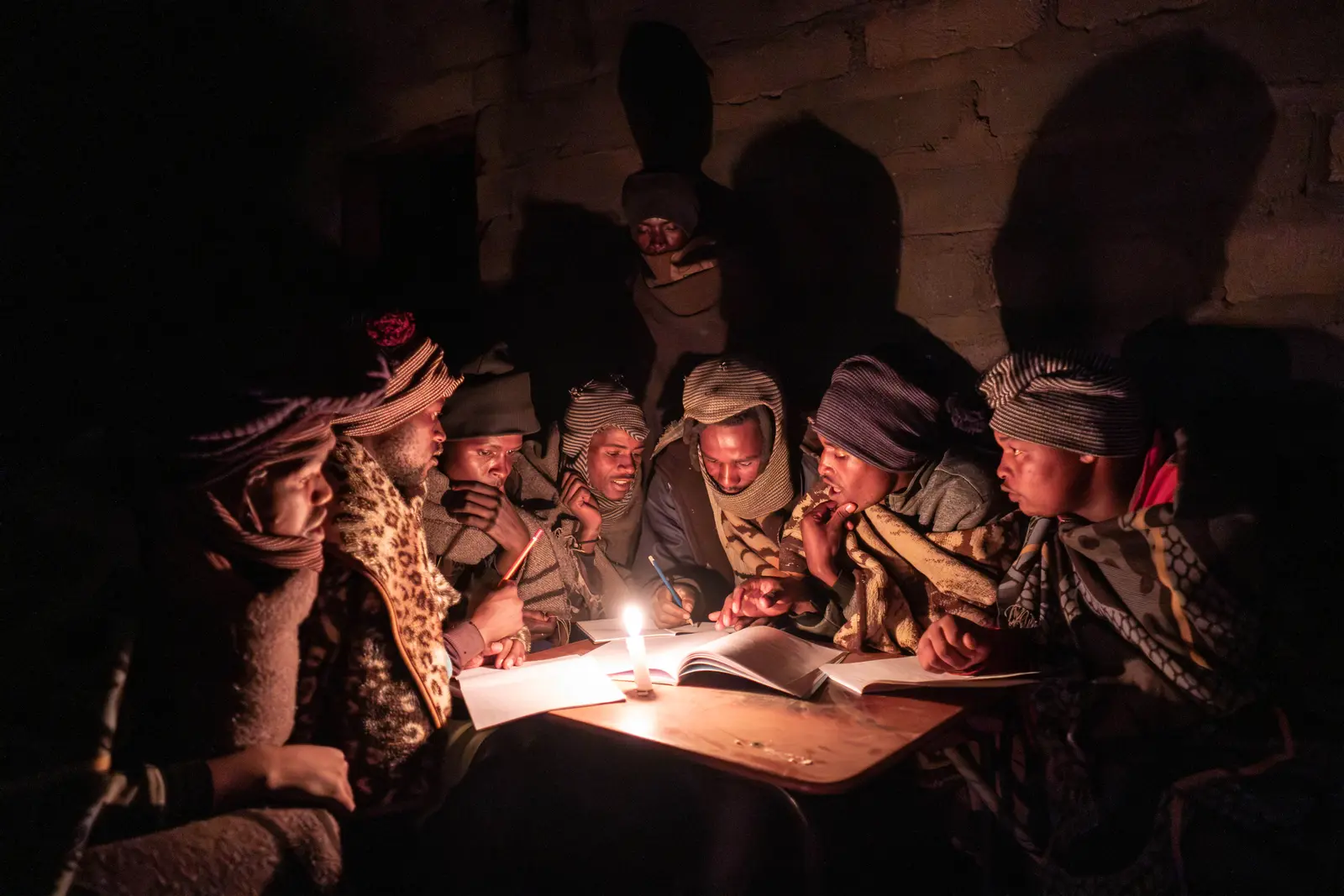
High in the rugged mountains of Lesotho, thousands of young boys and men spend their formative years tending livestock in isolated pastures. This vital traditional profession demands constant isolation, forcing many to abandon formal education entirely. However, a dedicated night school initiative now offers these dedicated herders a rare chance to learn to read and write after dark.
Breaking news
 Ronna McDaniel Weighs In on GOP's Path Forward
 Market Sentiment Shifts as S&P 500 Snaps Three-Day Losing Streak
 Voters Demand Stronger Congressional Oversight of Presidential Power
 Pelosi Looks Back, Sees Democratic Triumph Ahead
Herding is an essential economic pillar in the mountainous African kingdom, yet it traditionally comes at the steep cost of illiteracy. Young shepherds often leave their homes and families for months at a time, living in crude stone shelters while guarding sheep and cattle. Without basic education, these individuals face severe limitations later in life when trying to transition to other professions.
When evening falls across the rocky peaks, a remarkable transformation takes place as the shepherds begin their descent. Armed with flashlights and wrapped in traditional blankets, they navigate treacherous mountain paths to reach makeshift classrooms. These part-time night classes provide a welcoming environment where students of varying ages can finally grasp the fundamentals of literacy and arithmetic.
Can Education Break the Cycle of Isolation?
Instructors in these remote outposts tailor their teaching methods to fit the exhausting realities of pastoral life. The students arrive tired from long days of walking miles across difficult terrain behind their animals. Despite the physical fatigue, their enthusiasm for learning remains remarkably high, fueled by the desire to unlock new opportunities for their futures.
Providing night classes for herders addresses a deep educational gap in rural Lesotho that has persisted for generations. Education advocates emphasize that literacy empowers these marginalized workers, giving them a voice in their communities and protection against exploitation. As more shepherds gain basic academic skills, the wider social fabric of the mountainous nation begins to shift toward greater inclusivity.
Frequently Asked Questions
The long-term success of these mountain night schools depends heavily on sustained funding and community dedication. Organizers hope to expand the program to reach even more isolated valleys where thousands of young herders still live without access to schools. Ultimately, bridging the gap between traditional pastoral life and modern education offers these resilient men a brighter pathway forward.
What drives the shepherds to attend school at night? These herders want to overcome the isolation and limitations of illiteracy. By attending night classes, they can gain essential reading and math skills after their daily work ends.
How do the students reach the classrooms? The shepherds hike down steep and treacherous mountain paths after dark. Many use flashlights and wear traditional blankets to brave the cold night air during their journey.