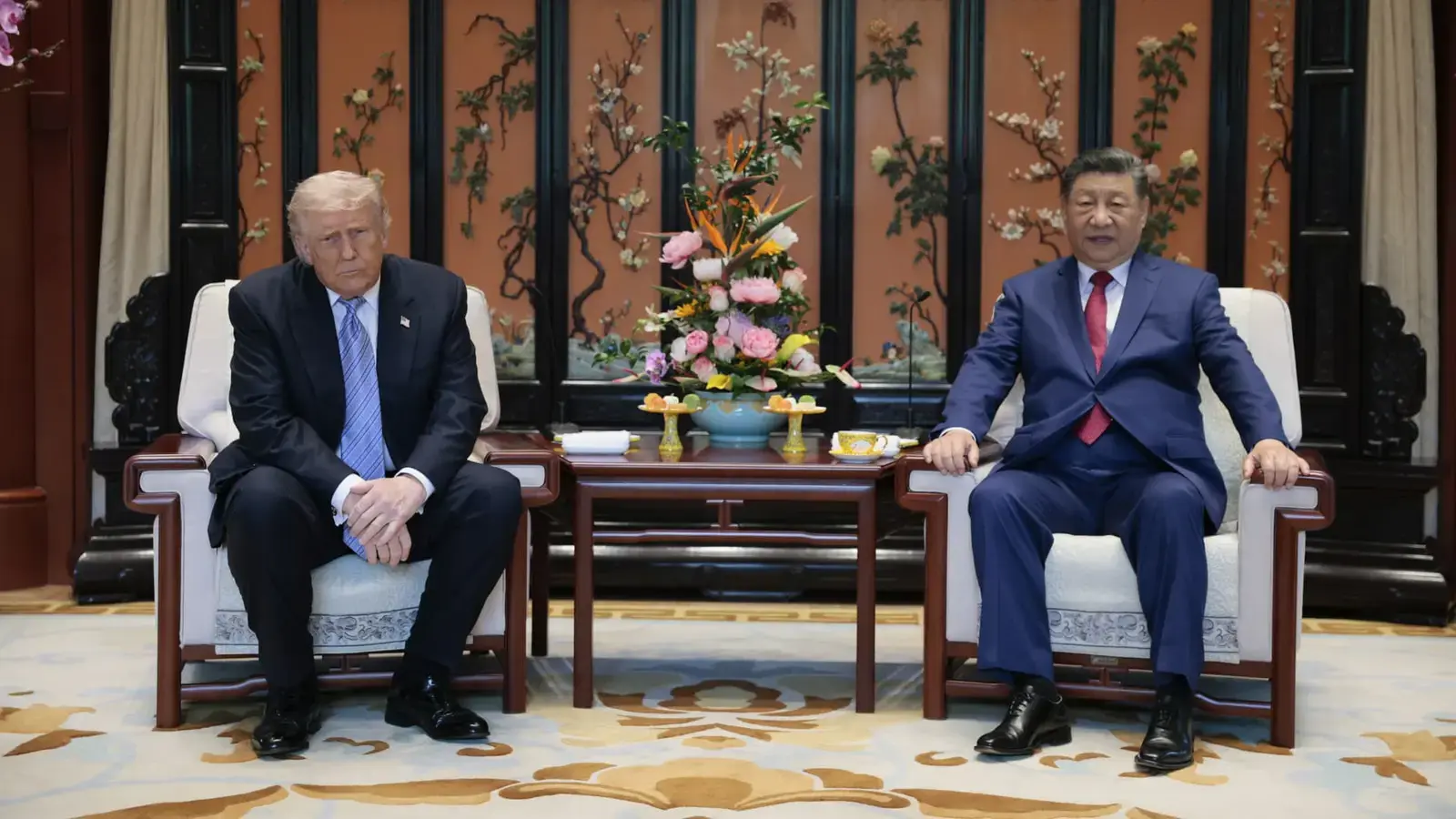
Diplomatic Gestures Signal Shifting Priorities
President Donald Trump granted Chinese leader Xi Jinping a rare tarmac welcome at an airport, marking a significant diplomatic shift. This gesture accompanied the announcement of a two-month extension to the trade truce between the world’s two largest economies. The agreement provides additional time for negotiations before new tariffs take effect.
Breaking news
 Montenegro, Albania Seek NATO Help to Counter Russian Disinformation
 Ronna McDaniel Weighs In on GOP's Path Forward
 Market Sentiment Shifts as S&P 500 Snaps Three-Day Losing Streak
 Voters Demand Stronger Congressional Oversight of Presidential Power
The tarmac greeting was the first of its kind for a visiting Chinese head of state in nearly sixty years. The only other recent exception involved a papal visit. Treasury Secretary Scott Bessent officially confirmed the extension of the trade pause. This move aims to stabilize markets and allow both sides to finalize broader economic terms without immediate pressure.
How Will Markets React to the Extension?
The physical act of meeting on the tarmac carries deep symbolic weight in diplomatic protocol. It signals a high level of respect and urgency. By extending the truce, Washington and Beijing are buying critical time to resolve complex issues. These include technology restrictions, agricultural exports, and industrial subsidies. The pause prevents immediate escalation of tariff rates that could disrupt global supply chains. Market analysts noted that this extension reduces volatility in equity and currency markets. Investors had feared a sharp reversal of previous deals if talks stalled.
The decision reflects a pragmatic approach from both capitals. Neither side wants to rush into a permanent agreement that might favor one party disproportionately. The extra two months allow technical teams to work through detailed implementation plans. This includes verifying compliance with existing export controls. It also involves discussing the scope of semiconductor access for Chinese firms. The diplomatic warmth seen at the airport suggests a willingness to maintain open channels. This is crucial for preventing misunderstandings that could lead to sudden policy shifts.
Outlook for Future Negotiations
Financial institutions generally view this extension as a positive development. Stock indices in both New York and Shanghai showed stability following the announcement. The S&P 500 held steady, while the Hang Seng Index gained modest ground. Currency traders observed a slight strengthening of the dollar against the yuan. This reflects reduced risk premium associated with trade uncertainty. However, experts caution that a temporary pause is not a final solution. Structural differences in economic models remain unresolved. The extension serves as a bridge rather than a destination. Companies with heavy exposure to Asian manufacturing can plan their operations with more confidence. Retailers and automakers benefit from the predictability in shipping costs and inventory management.
The next two months will be decisive for the long-term relationship between the two powers. Both delegations must agree on core principles before the deadline expires. Failure to reach a consensus could lead to a return to higher tariff barriers. Success could pave the way for a comprehensive deal that addresses non-tariff barriers. The diplomatic tone set by the tarmac welcome suggests optimism, but hard work remains ahead. Global leaders are watching closely, as the outcome will influence trade policies in Europe and Asia. For now, the extended truce offers a necessary breathing space. It allows policymakers to focus on substance over spectacle. The world awaits the next chapter in this complex economic dialogue.
How long is the trade truce extended? The truce has been extended by two months. This gives negotiators until late November to finalize terms.
Frequently Asked Questions
Why is the tarmac welcome significant? It is a rare honor not given to a Chinese leader in about six decades. It signals strong diplomatic intent and respect.
Who announced the extension? Treasury Secretary Scott Bessent made the official announcement. He confirmed the timeline during a public briefing.