
Can Bunker-Busting Bombs Break Through?
Donald Trump's threat to attack a suspected Iranian nuclear site deep within a mountain has raised questions about the feasibility of such a strike. The site in question is located beneath Iran's Pickaxe Mountain, a location that has been at the center of speculation surrounding the country's nuclear program.
Breaking news
 Deadly Glacier and Rock Collapse in Nepal Linked to Climate Warming
 US Congress Passes Sweeping Sanctions Against Russia
 Speaker Johnson Ends House Session Early to Halt Impeachment Effort
 The High-Stakes Fight for Senate Majority Control
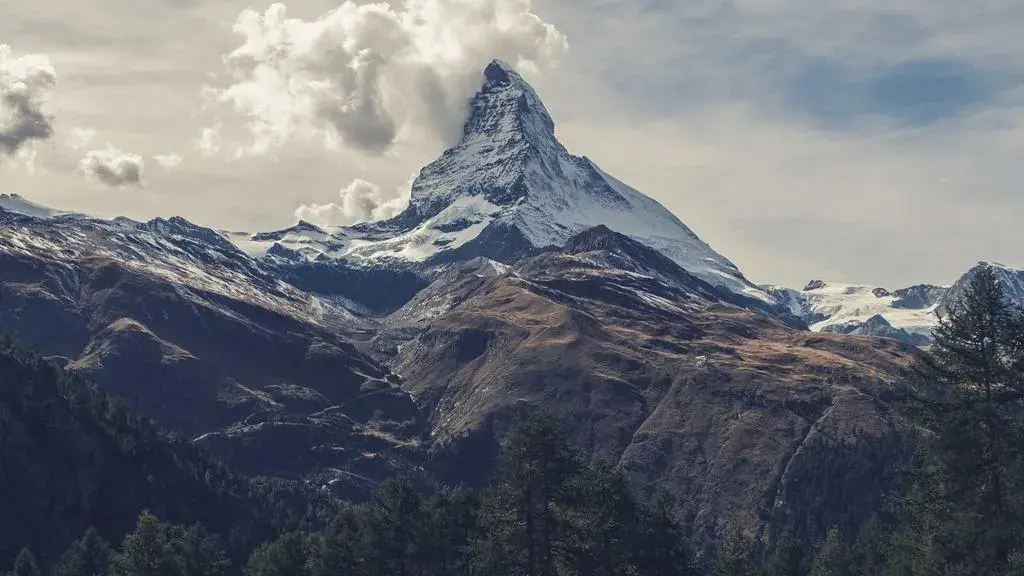
The mountain's geology and the site's depth make it a challenging target. The facility is reportedly buried under thick layers of rock, making it resistant to conventional bombing.
The US has developed bunker-busting bombs designed to penetrate hardened targets, but their effectiveness against a deeply buried site is uncertain. Experts argue that even the most advanced bombs may not be able to cause significant damage to a facility buried beneath a mountain.
Will a Strike be Effective or a Propaganda Tool?
A strike on the site would require precise intelligence on its location and layout, which is difficult to obtain. Some analysts believe that a US attack might be more of a symbolic gesture than a meaningful disruption to Iran's nuclear program.
The consequences of a US strike on the site could be severe, potentially escalating tensions in the region and prompting a strong response from Iran. The international community remains on high alert as the situation continues to unfold.
Frequently Asked Questions
What is Pickaxe Mountain? Pickaxe Mountain is a location in Iran suspected of housing a secret nuclear facility deep beneath its surface. It has been a subject of speculation and concern among international observers.
Can the US penetrate the site with current technology? The US has advanced bunker-busting capabilities, but the depth and geology of the site pose significant challenges.
What are the potential consequences of a US strike? A strike could escalate regional tensions, potentially leading to a wider conflict and destabilizing the area.