From Sharpie Maps to Synthetic Battles
President Donald Trump released artificial intelligence-generated video clips on Monday. The footage depicted intense combat scenes from the ongoing conflict with Iran. Experts warn this move represents a significant shift in political communication. It follows a pattern of visual manipulation seen in previous administrations. The release has sparked immediate debate among media analysts and historians. They question whether digital fabrication has become standard practice in wartime reporting. This incident highlights the growing tension between public perception and verified reality.
Breaking news
 Deadly Glacier and Rock Collapse in Nepal Linked to Climate Warming
 US Congress Passes Sweeping Sanctions Against Russia
 Speaker Johnson Ends House Session Early to Halt Impeachment Effort
 The High-Stakes Fight for Senate Majority Control
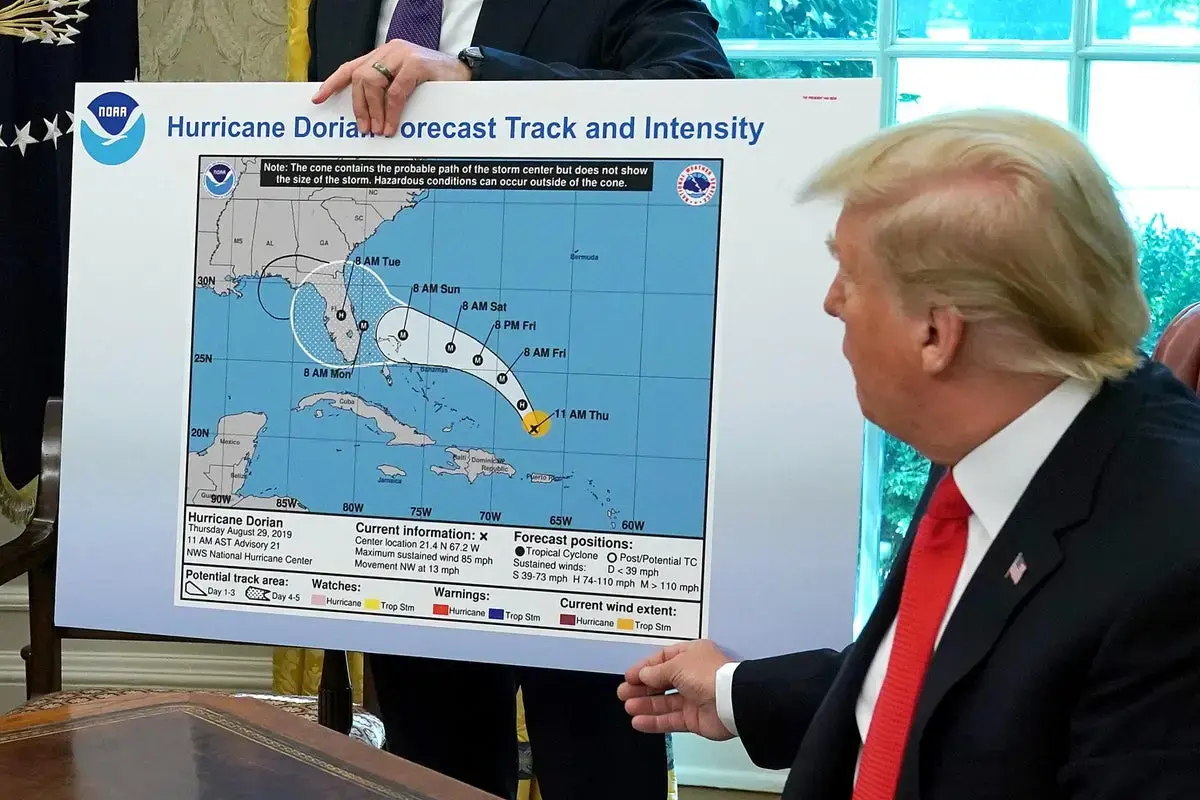
The president’s use of synthetic media marks a pivotal moment in modern politics. Seven years ago, he famously altered a hurricane tracking map using a Sharpie marker. He then had a federal agency officially endorse the modified image. That event set a precedent for visual adjustments in government communications. Now, the introduction of AI-generated combat footage escalates this trend significantly. Critics argue that replacing real video with digital creations undermines institutional credibility. Supporters claim it provides a clearer narrative of the military situation. The core issue remains how much the public can rely on official visuals.
The evolution from simple edits to complex AI generation shows a rapid change. Previously, altering a map involved changing colors or lines manually. Today, deep learning algorithms create entire scenes that look authentic. The new footage showed soldiers and explosions that did not necessarily occur exactly as shown. This technique allows for precise control over the message delivered to voters. It removes the unpredictability of live camera feeds or drone footage. Analysts note that this method blurs the line between illustration and documentation. The public must now distinguish between what happened and what was generated.
Does Digital Fabrication Change War Reporting?
Experts point out that trust in visual evidence is fragile. Once broken, it is difficult to restore. The administration argues that the footage captures the essence of the battle. However, skeptics believe it serves a specific political purpose. By curating the visual experience, leaders can shape emotional responses. This approach bypasses traditional journalistic checks and balances. The result is a streamlined flow of information directly from the White House. Citizens are left to interpret these curated realities without independent verification.
The impact of AI on conflict coverage extends beyond a single video clip. It sets a template for future military engagements. If synthetic footage becomes common, audiences may expect it. This could lead to skepticism toward all official media releases. Journalists face the challenge of verifying digital content quickly. They need new tools to detect artificial elements in real-time. The speed of news cycles often outpaces the ability to fact-check visuals. Consequently, initial impressions form before corrections arrive. This dynamic favors those who control the narrative first.
The long-term consequence is a potential erosion of shared truth. When multiple versions of an event exist, consensus becomes harder to reach. Political opponents may use the footage to attack the administration’s honesty. Allies might defend it as a necessary tool for morale. The outcome depends on how the public reacts to subsequent developments. If the war ends successfully, the footage may be forgotten. If setbacks occur, the initial fabrication could resurface as evidence of deception.
Frequently Asked Questions
Why is the use of AI footage controversial? Critics argue that presenting synthetic videos as real events misleads the public. It reduces the transparency of military operations and strategic updates.
How does this compare to past examples? It mirrors the earlier alteration of hurricane maps but uses advanced technology. Both instances involve modifying visual data to support a specific narrative.
What is the main risk for future reporting? The primary risk is a lasting decline in public trust for official visuals. Audiences may assume all government media is digitally enhanced or fabricated.