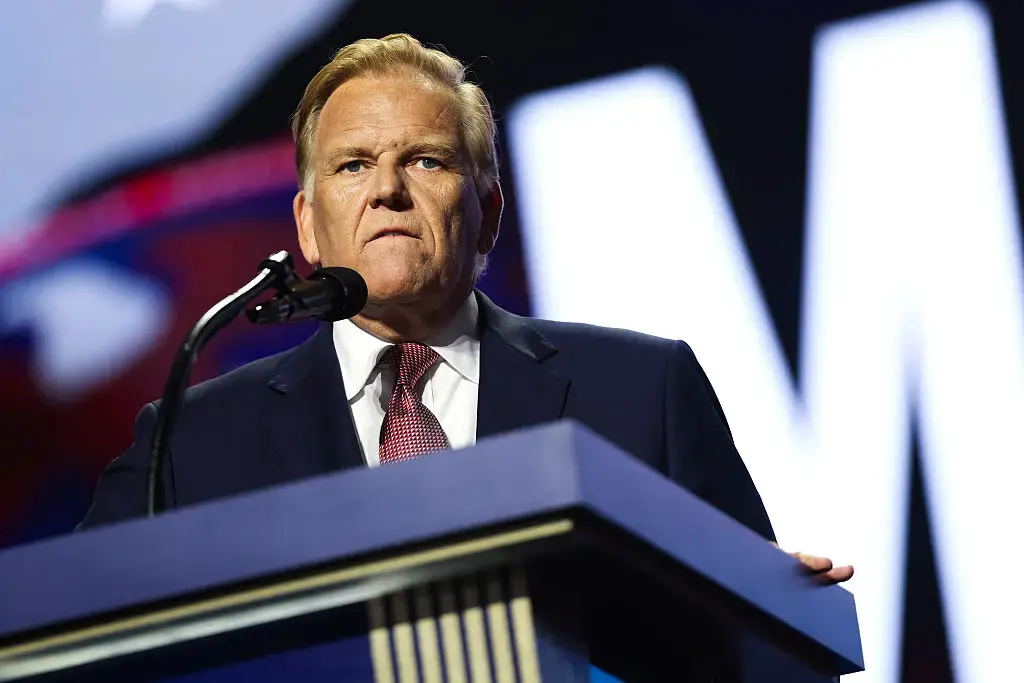
Why Some Republicans Are Reconsidering Their Stance
A growing number of Republican candidates and lawmakers are publicly opposing President Donald Trump’s approach to the ongoing conflict in Iran, calling for an end to the nearly seven-month-long war. This shift is evident both on the campaign trail and in Congress, where bipartisan efforts to limit presidential war powers are gaining traction. The trend marks a notable departure from traditional party alignment on national security issues.
Breaking news
 Former German Intelligence Chief Faces Espionage Charges
 American Educator Analyzes French Student Demonstrations
 Massive Protests Erupt Across France Over Educational Funding Shortfalls
 French students and teachers protest inadequate school resources
The pushback comes as GOP candidates in traditionally conservative districts voice concerns about the war’s duration, cost, and lack of clear objectives. On Capitol Hill, House Republicans joined Democrats in supporting a war powers resolution aimed at requiring congressional approval for continued military engagement in Iran. This rare show of bipartisanship reflects growing unease among lawmakers about executive overreach in foreign conflicts.
What Does This Mean for Trump’s Foreign Policy Agenda?
Several Republican candidates have cited humanitarian concerns and strategic fatigue as reasons for their opposition. One GOP congressional hopeful in Ohio stated during a town hall that „endless military engagements without clear exit strategies weaken our national security and drain resources needed at home.” Another candidate in Arizona emphasized the need for diplomatic solutions over prolonged combat. These voices reflect a broader sentiment among voters wary of foreign entanglements, even in Republican-leaning areas.
The increasing dissent within the GOP raises questions about the durability of Trump’s foreign policy consensus within his party. While Trump maintains strong support among his base, the emergence of criticism from elected officials and candidates suggests potential fissures in Republican unity. Analysts note that if this trend continues, it could complicate future military authorizations and influence how future administrations approach congressional war powers.
Are Republicans unified in opposing the Iran war? No, while a growing number are speaking out, many Republicans continue to support the administration’s position, indicating a split rather than a unified party stance.
Frequently Asked Questions
Could this opposition affect future military funding? Yes, if more lawmakers back war powers restrictions, it could lead to stricter conditions on funding or require periodic congressional reauthorization for ongoing operations.
Is this shift likely to influence the 2024 election? It may resonate with voters concerned about foreign policy costs, particularly in swing districts, though national security remains a complex issue in Republican primaries.


