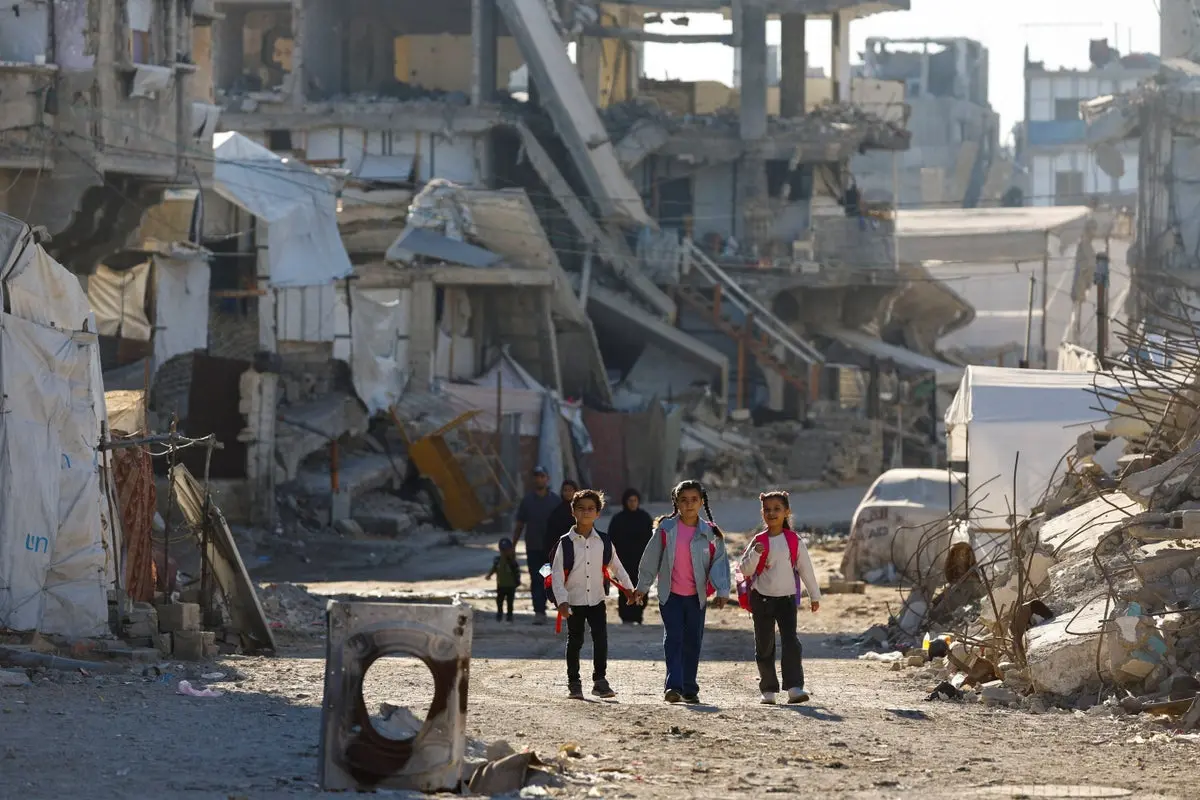
The Vanishing Architecture of Memory
Years of relentless conflict have fundamentally altered the landscape of Gaza, turning once-vibrant neighborhoods into unrecognizable fields of debris. As widespread destruction reshapes the built environment, the physical markers of daily life have vanished. This transformation has displaced countless residents, effectively erasing the shared history and collective memory embedded within the region’s streets and structures.
Breaking news
 Montenegro, Albania Seek NATO Help to Counter Russian Disinformation
 Ronna McDaniel Weighs In on GOP's Path Forward
 Market Sentiment Shifts as S&P 500 Snaps Three-Day Losing Streak
 Voters Demand Stronger Congressional Oversight of Presidential Power
The war has systematically dismantled the infrastructure that defined Gaza’s identity. Iconic buildings, local businesses, and community gathering spots have been reduced to rubble. This destruction goes beyond mere architecture, as the loss of these spaces disrupts the social fabric that once held the local population together. The map of the territory has been rewritten by force, leaving survivors to navigate a landscape where their past has been physically obliterated.
Every street corner in Gaza previously held a specific significance for its residents. Markets, schools, and homes served as the backdrop for daily routines and long-standing traditions. Today, these sites are buried under mountains of concrete and twisted metal. The loss of these familiar landmarks creates a profound sense of disorientation among those who remain, as the physical connection to their personal histories is severed.
Can a Community Rebuild Without Its Roots?
Urban planners and historians note that the scale of this destruction is unprecedented in the region. The erasure of these sites complicates future efforts to rebuild a sense of community. When the physical environment is destroyed, the stories attached to those locations often fade as well. The current state of the territory reflects a deep rupture between the Gaza of the past and the desolate reality of the present.
The long-term consequences of this architectural loss are severe. Without the familiar landmarks that once anchored their daily existence, residents face significant challenges in re-establishing a sense of normalcy. The destruction of public spaces has also hindered the ability of the population to gather and support one another in the wake of the violence.
Frequently Asked Questions
The outlook remains bleak as the physical remnants of Gaza’s history continue to deteriorate. Reclaiming the identity of the region will require more than just new construction; it will necessitate a complex process of healing. As the rubble sits untouched, the memory of what once stood there risks being lost to time, leaving future generations with a fragmented understanding of their own heritage.
What has happened to the physical landmarks in Gaza? The vast majority of Gaza’s buildings and community spaces have been destroyed by ongoing conflict. These sites, which once served as the heart of daily life, are now buried under massive piles of debris.
How does this destruction affect the local population? The loss of these landmarks has caused widespread displacement and a deep sense of disorientation. Residents are struggling to maintain their connection to their history now that the physical structures defining their community have been erased.
