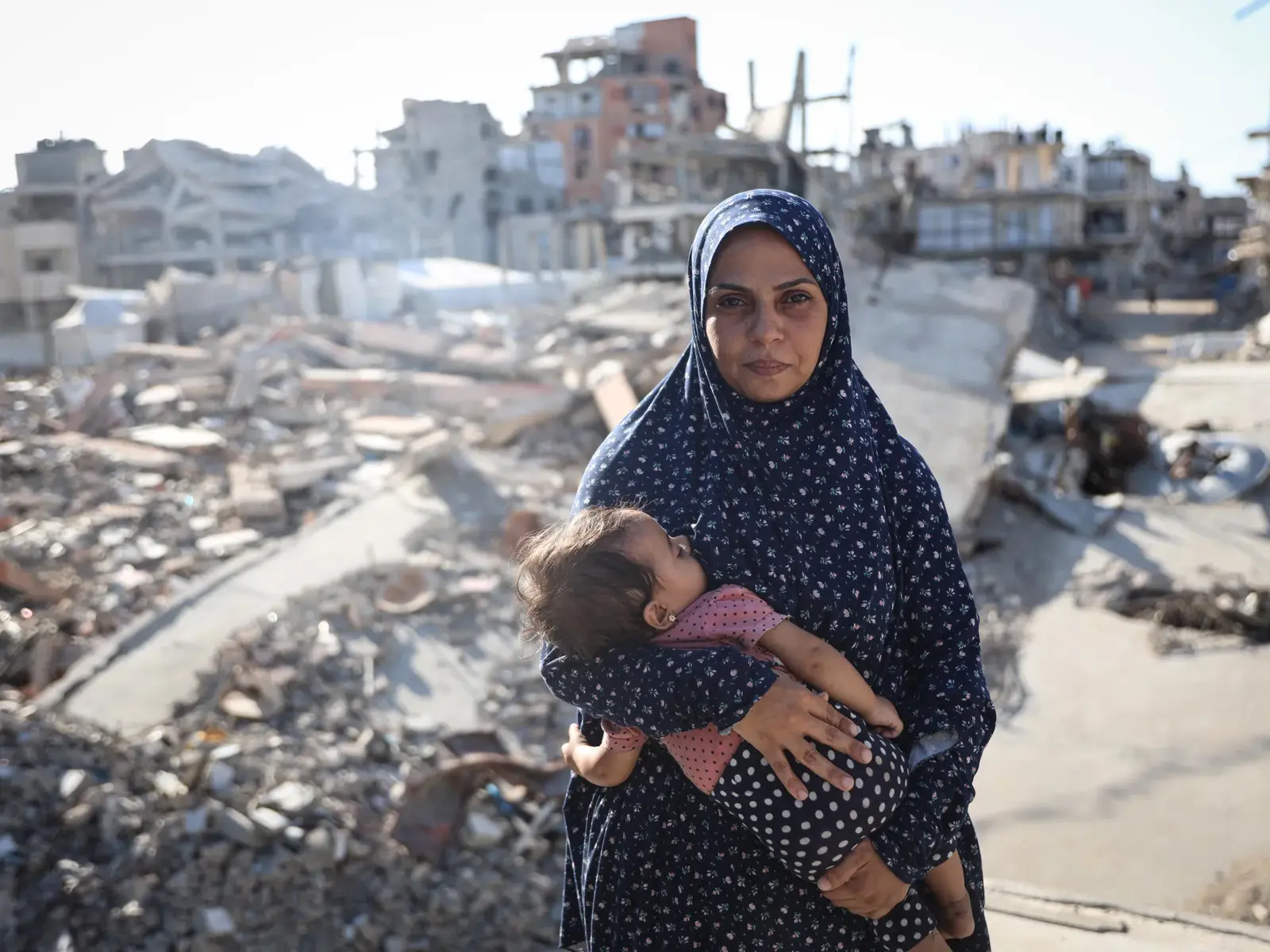
The Human Toll of a Prolonged Conflict
A mother in Gaza, now 32, has endured the unimaginable: the deaths of her two husbands and two children amid the ongoing conflict. Her story, shared on social media, paints a stark picture of grief and resilience in a war zone.
Breaking news
 South Korea Weighs Strong Response After DMZ Landmine Blast
 Quebec Separatists Promise Referendum After Election Victory
 Pacific Leaders Demand Firm Commitment to Fossil Fuel Exit
 Green Party Faces Crisis After Controversial Vote
The mother, whose name remains private, first lost her husband, a 28‑year‑old construction worker, when Israeli airstrikes struck his workplace in late October. A month later, she endured the loss of her 5‑year‑old daughter in a blast that hit their apartment block. After a brief period of mourning, she married a second time. In early December, her second husband, a 35‑year‑old fisherman, was killed when a naval shell struck the harbor. The same month, her 3‑year‑old son was killed in a rocket strike that shattered their home.
Her narrative, posted on a popular messaging platform, outlines how each tragedy unfolded. She describes the first strike as a sudden, deafening explosion that left her in shock. The second strike, she says, was a burst of shrapnel that tore through the walls of her home. She recounts how she tried to keep her children safe, but the relentless bombardment made that impossible. „I thought I could protect them,” she says. „But the bombs came from everywhere.”
How Do Families Cope With Repeated Loss?
The mother’s experience is not isolated. According to recent reports, Gaza has seen thousands of civilian casualties since the conflict began. Many families have lost multiple members, with children often bearing the brunt of the violence. The mother’s case highlights the psychological impact of repeated losses. She says she has struggled with depression and anxiety, yet she continues to care for her surviving relatives and to help neighbors rebuild their shattered lives.
Experts point out that the pattern of targeting residential areas exacerbates the suffering. „When civilians are caught in the crossfire, the cycle of loss repeats,” says a humanitarian worker. The mother’s story underscores the need for stricter adherence to international humanitarian law, which protects civilians from indiscriminate attacks. She calls for an end to the violence and for international intervention to prevent further tragedies.
In the aftermath of each strike, the mother turned to community support. She joined a local relief group that distributes food and medical supplies. She also began volunteering at a makeshift clinic, offering comfort to other grieving families. „We share our pain,” she says. „We find strength in each other.” Her resilience has become a beacon for others in the community, who see her as a symbol of hope.
What Can the International Community Do?
The mother’s story also raises questions about the long-term effects on children who grow up in such environments. Psychologists warn that exposure to constant danger can lead to post‑traumatic stress disorder, depression, and impaired development. „We need mental health services,” she insists. „Without them, the next generation will carry the scars of war into adulthood.”
The mother’s plea is clear: urgent humanitarian aid, protection for civilians, and a negotiated ceasefire. International NGOs have called for safe corridors to allow civilians to evacuate. Meanwhile, diplomatic efforts have stalled, leaving families like hers in a state of limbo. The mother’s narrative serves as a stark reminder that behind every headline are real people suffering unimaginable losses.
The consequences of the ongoing conflict are far-reaching. As families like hers endure repeated trauma, the social fabric of Gaza weakens. Schools close, economies crumble, and the cycle of violence perpetuates. The mother’s story is a call to action for the global community to prioritize human lives over strategic gains.
Frequently Asked Questions
What is the current status of the mother’s family? She is alive and actively involved in community relief efforts. Her surviving relatives are under her care, and she continues to advocate for humanitarian aid.
How many people have been affected by similar losses in Gaza? Thousands of families have lost multiple members in the conflict, with children often among the casualties.
What steps are being taken to protect civilians in Gaza? International organizations are urging for safe evacuation routes and ceasefire negotiations, but progress remains limited.