Can AI Truly Capture Human Creativity?
The integration of literature, games, and films into generative AI models poses significant risks to our cultural heritage. This concern was highlighted by columnist Annalee Newitz, who emphasizes the need to protect human creativity. Newitz warns that using AI to generate content can lead to a homogenization of cultural history. By relying on algorithms, we may lose the unique voices and perspectives that define our artistic expressions. The fear is that future generations may encounter a diluted version of our cultural legacy.
Breaking news
 Deadly Glacier and Rock Collapse in Nepal Linked to Climate Warming
 US Congress Passes Sweeping Sanctions Against Russia
 Speaker Johnson Ends House Session Early to Halt Impeachment Effort
 The High-Stakes Fight for Senate Majority Control
As generative AI becomes more prevalent, the question arises: can it replicate the depth of human creativity? Newitz argues that while AI can produce text and art, it lacks the emotional resonance and lived experiences that inform genuine human work. This leads to a cultural landscape filled with generic and repetitive content, rather than the rich diversity we currently enjoy.
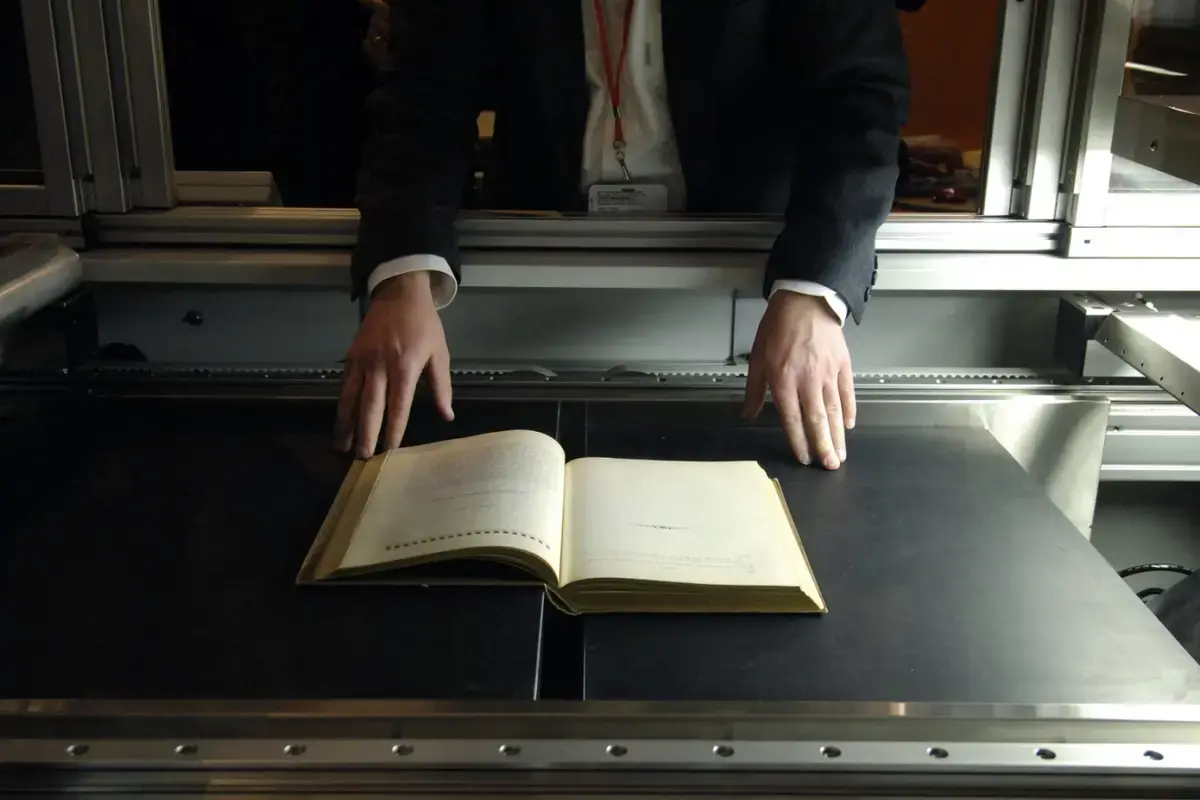
Moreover, the process of digitizing literature and other forms of art for AI training can strip away the nuances that make them special. The unique context in which a work was created often gets lost in translation, resulting in a bland, homogenized output that fails to reflect the original intention of the creators.
What Happens to Our Cultural Identity?
The implications of this trend are profound. If we continue to feed our cultural artifacts into AI systems, we risk losing the very essence of our identity. Future generations may not understand the historical and cultural significance behind classic literature, games, and films. Instead, they might encounter a series of AI-generated imitations that lack depth and meaning.
Newitz emphasizes that preserving human writing is crucial for maintaining our cultural narrative. Without it, we could face a future where our artistic expressions are overshadowed by AI-generated content that lacks authenticity.
The ongoing debate about the role of AI in creative fields raises important questions. How do we ensure that human voices remain central in our cultural dialogue? As technology continues to advance, it is essential to prioritize the preservation of our artistic heritage.
Frequently Asked Questions
Why is preserving human writing important? Preserving human writing is vital because it encapsulates unique perspectives and experiences. It allows future generations to connect with their cultural history and understand the context of past works.
Can AI ever replace human creativity? While AI can generate content, it cannot replicate the emotional depth and personal experiences that inform human creativity. The nuances of human expression remain irreplaceable.
What are the risks of using AI in creative fields? The risks include the potential loss of cultural diversity and identity. Relying on AI-generated content may lead to a homogenization of artistic expressions, diminishing the richness of our cultural landscape.