How Is the Mecca Pact Shaping Regional Defense Cooperation?
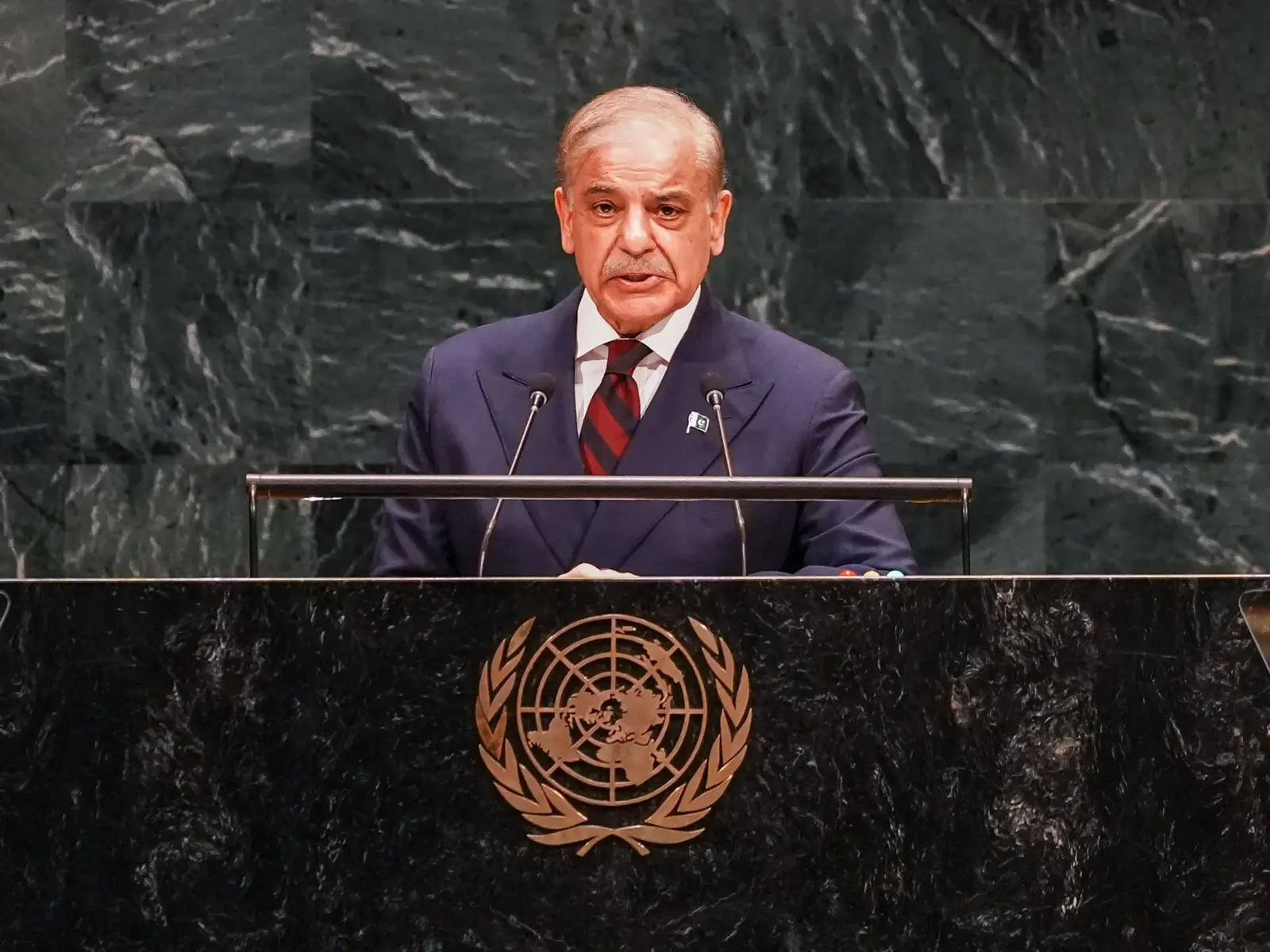
Pakistan Prime Minister Shehbaz Sharif warned that any Houthi attack on Mecca or Medina would constitute a serious red line, speaking as military chiefs from Islamabad, Riyadh, and Ankara convened to discuss strengthening defense cooperation and the Mecca Pact. The remarks were made during a high-level meeting focused on regional security and bilateral military coordination.
Breaking news
 Ronna McDaniel Weighs In on GOP's Path Forward
 Market Sentiment Shifts as S&P 500 Snaps Three-Day Losing Streak
 Voters Demand Stronger Congressional Oversight of Presidential Power
 Pelosi Looks Back, Sees Democratic Triumph Ahead
The gathering of army leaders underscored growing concerns over threats to Islamic holy sites amid ongoing tensions in Yemen. Sharif emphasized that Pakistan stands firmly with Saudi Arabia in safeguarding the sanctity of Mecca and Medina, noting that any aggression against these cities would provoke a unified response from Muslim nations. He reiterated Islamabad’s commitment to deepening military ties with Ankara and Riyadh through joint exercises, intelligence sharing, and strategic dialogue.
The Mecca Pact, initially launched to enhance security collaboration among Muslim-majority countries, has evolved into a framework for coordinated defense planning. Pakistani officials confirmed that the latest talks included discussions on maritime security, counter-terrorism operations, and rapid response mechanisms. Ankara’s participation highlights Turkey’s expanding role in Gulf security architecture, despite past diplomatic strains with Riyadh.
What Risks Do Houthi Capabilities Pose to Holy Sites?
Military representatives from all three nations reviewed protocols for joint patrols in the Red Sea and agreed to standardize communication channels during crises. Sharif noted that the pact’s success depends on mutual trust and consistent engagement, adding that future summits would assess progress on interoperability and logistics integration.
Recent Houthi missile and drone launches have demonstrated increasing range and precision, raising alarms across the region. While past attacks have targeted Saudi infrastructure, including oil facilities and airports, the prospect of strikes near Mecca or Medina has intensified diplomatic urgency. Sharif cautioned that such actions would not only violate international norms but also ignite widespread condemnation across the Islamic world.
Intelligence assessments shared during the meeting indicated that the Houthis continue to receive external support, enabling sustained offensive capabilities. Pakistani defense analysts stressed the need for preemptive monitoring and early warning systems to prevent escalation. They called for a unified stance among OIC members to deter any actor from threatening Islam’s holiest cities.
Frequently Asked Questions
What is the Mecca Pact and why does it matter? The Mecca Pact is a defense cooperation initiative among Muslim-majority nations aimed at protecting Islamic holy sites and enhancing regional security through joint military planning and information sharing.
Why did Pakistan’s PM issue a warning about Houthi attacks? Shehbaz Sharif stated that any assault on Mecca or Medina would cross a critical red line, triggering a unified response from Muslim countries due to the profound religious significance of these cities.
How are Pakistan, Saudi Arabia, and Turkey deepening military ties? The three countries are expanding cooperation through joint exercises, intelligence collaboration, standardized crisis protocols, and increased participation in regional security frameworks like the Mecca Pact.