Strategic Pressure and Diplomatic Stalls
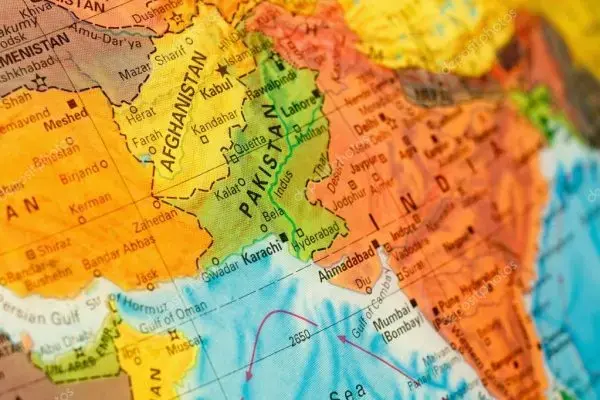
In the early hours of September 24, 2026, Pakistan executed a series of air and drone strikes across Afghanistan. The military operation targeted ten specific locations within the neighboring country. This aggressive move marks a significant escalation in tensions between the two nations. Islamabad appears determined to enforce its demands through force rather than diplomacy.
Breaking news
 Ronna McDaniel Weighs In on GOP's Path Forward
 Market Sentiment Shifts as S&P 500 Snaps Three-Day Losing Streak
 Voters Demand Stronger Congressional Oversight of Presidential Power
 Pelosi Looks Back, Sees Democratic Triumph Ahead
The strikes represent a punitive gamble by the Pakistani government. Officials view the military action as a necessary step to pressure the Afghan leadership. However, the effectiveness of this strategy remains highly questionable. The conflict has now evolved into an open war with no clear path toward resolution.
Pakistan’s approach relies heavily on military coercion to achieve political goals. The country aims to force Kabul to accept terms that have been rejected for months. These demands likely involve border security, refugee repatriation, or counter-terrorism cooperation. Islamabad believes that sustained aerial bombardment will weaken the Taliban’s resolve.
Can Force Replace Negotiation?
Yet, the Afghan Taliban possess strong reasons to resist these pressures. They currently hold firm control over their territory and enjoy domestic support. Conceding to Pakistani demands could signal weakness to their own population. Consequently, the Taliban have little incentive to accede to Islamabad’s requests quickly. Their leadership prefers to absorb the initial shock before negotiating from a position of strength.
The use of drones and fighter jets highlights the modern nature of this conflict. Both sides are leveraging technology to project power across the porous border. However, military force alone rarely solves deep-seated diplomatic disputes. The Taliban’s ability to endure strikes without collapsing suggests a long stalemate ahead.
Analysts note that Pakistan risks overextending its resources in this campaign. Every strike requires logistical support and public justification. If the Taliban do not yield, Pakistan faces the challenge of maintaining momentum. The lack of a defined endgame complicates the military effort significantly.
Frequently Asked Questions
When did the strikes occur? The attacks took place in the early hours of September 24, 2026. Pakistani forces used both air and drone capabilities for the operation.
How many targets were hit? A total of ten locations inside Afghanistan were struck during the initial phase of the offensive.
Why is this situation tense? The Taliban show little willingness to meet Pakistan’s demands, leading to an open war with no immediate solution.



