Impact on Energy Supply and Regional Stability
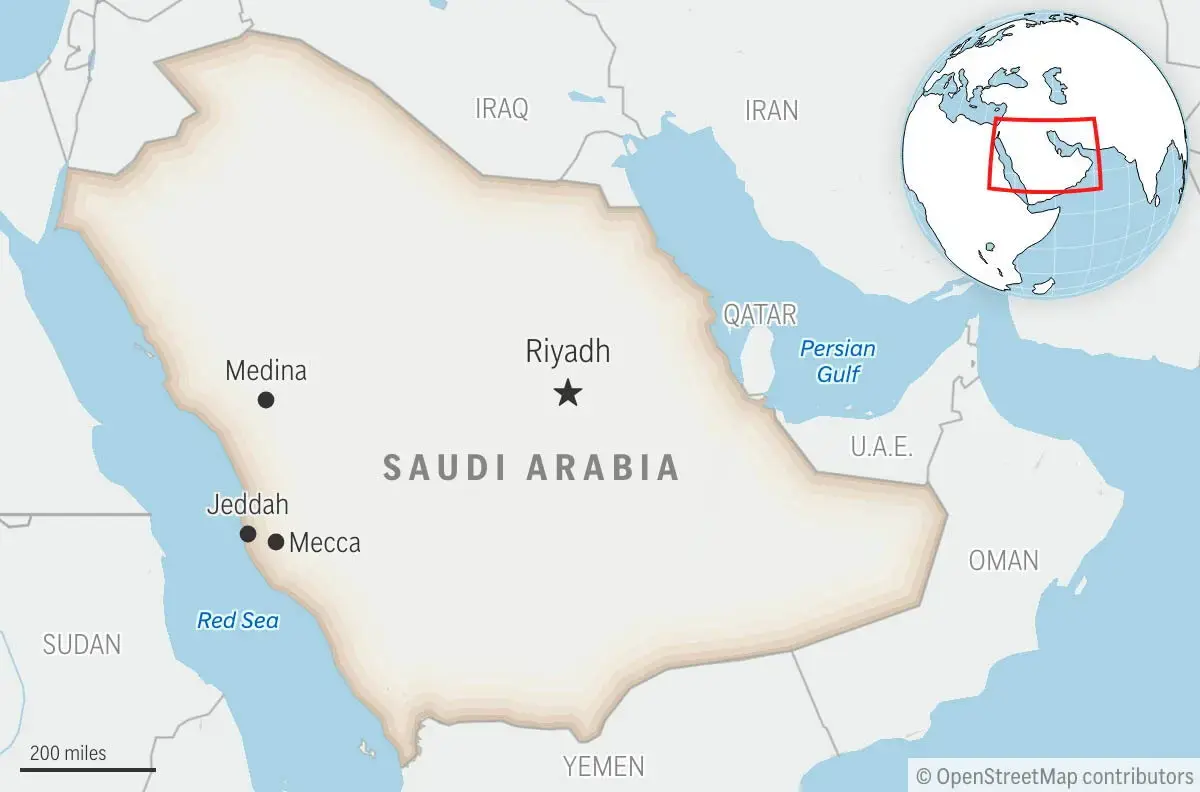
A surge of Houthi missile strikes on Saudi Arabia on Tuesday sparked fires at multiple oil installations and injured more than 70 people. The assaults occurred in the early hours, targeting key infrastructure in the eastern province and the capital region. Saudi security forces reported extensive damage to pipelines and storage facilities, with emergency crews battling flames for hours.
Breaking news
 Deadly Glacier and Rock Collapse in Nepal Linked to Climate Warming
 US Congress Passes Sweeping Sanctions Against Russia
 Speaker Johnson Ends House Session Early to Halt Impeachment Effort
 The High-Stakes Fight for Senate Majority Control
The attacks come amid escalating hostilities between the Houthi movement and Saudi-led coalition forces. Earlier this week, the Houthis intensified their campaign, launching drones and ballistic missiles toward Saudi airfields and military bases. Saudi officials say the new wave of strikes aimed to disrupt the kingdom’s energy supply and pressure the government to negotiate.
The blasts damaged several critical oil platforms, temporarily halting production in affected zones. Analysts estimate that the interruption could reduce Saudi output by up to 200,000 barrels per day for a short period. Local authorities have shut down nearby refineries to prevent secondary explosions. The Saudi government has called for international support to secure the region’s energy infrastructure and to prevent a broader crisis.
How the Houthis Achieve Their Objectives?
In the aftermath, the kingdom’s emergency services treated 73 wounded civilians and military personnel. Hospitals in Riyadh and Dammam reported an influx of patients with burns, shrapnel wounds, and respiratory injuries. The government pledged to provide medical care and compensation to victims’ families.
The Houthis claim their attacks target „military installations” and „air defense systems.” Yet the choice of oil facilities suggests a strategic aim to cripple the Saudi economy. By attacking energy hubs, the movement seeks to force the government to negotiate and to draw international attention to their cause. The coalition’s response has been swift, with air patrols intensified and new defensive measures deployed around critical sites.
Saudi officials have warned that further attacks could threaten the nation’s stability and the global oil market. They have called on allies to support defensive upgrades and to monitor Houthi movements more closely. The international community has urged restraint, stressing that any escalation could trigger a wider regional conflict.
Frequently Asked Questions
What is the current status of the damaged oil facilities? Repair crews are working around the clock to restore operations. Some platforms have been temporarily shut down, but most are expected to resume normal activity within a week.
Will the attacks affect global oil prices? Short‑term disruptions may cause a slight uptick in prices, but the global market is resilient. Long‑term impacts depend on the duration of the attacks and the response from Saudi authorities.
How is Saudi Arabia defending against future Houthi strikes? The kingdom has bolstered air defense systems, increased patrols, and established rapid response teams. International partners are also providing surveillance and intelligence support to mitigate further threats.