Data Privacy at the Core of the Agreement
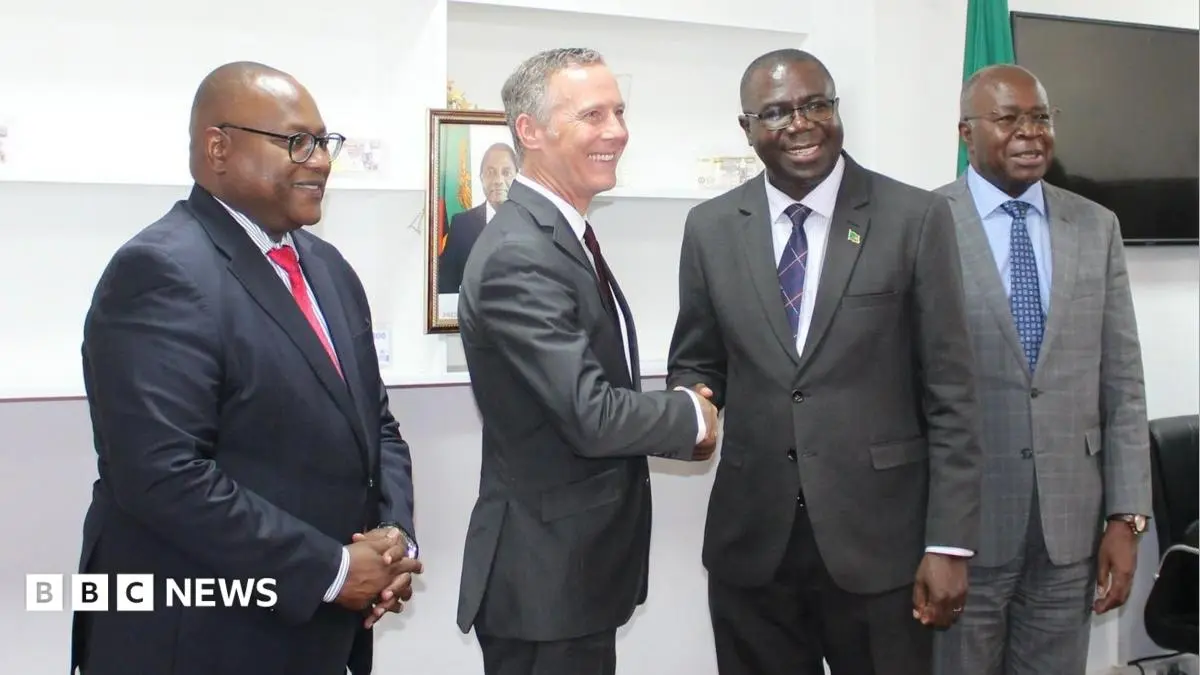
Zambia signed a new health partnership with the United States on Tuesday, securing $1.5 billion in aid to strengthen its medical system. The agreement follows a break in funding that began when former President Donald Trump halted U. S. Agency for International Development (USAID) support in 2018. The deal was finalized in Lusaka after negotiations addressed concerns over patient data privacy.
Breaking news
 Montenegro, Albania Seek NATO Help to Counter Russian Disinformation
 Ronna McDaniel Weighs In on GOP's Path Forward
 Market Sentiment Shifts as S&P 500 Snaps Three-Day Losing Streak
 Voters Demand Stronger Congressional Oversight of Presidential Power
The U. S. commitment will finance a range of health initiatives, including the procurement of medical equipment, training for health workers, and the expansion of disease surveillance. Zambia’s Health Minister Roma Chilengi confirmed that the agreement prohibits the transfer of individual patient records to the United States, a key condition for the deal’s approval. The partnership also includes provisions for joint research on infectious diseases and support for Zambia’s national immunisation programme.
During the talks, Zambia’s officials highlighted the importance of safeguarding personal health information. „We want to ensure that our citizens’ data remains within our borders,” Chilengi said. The U. S. side agreed to limit data sharing to aggregated statistics, allowing Zambia to monitor health trends without exposing individual identities. This compromise helped rebuild trust after earlier concerns that U. S. agencies might use Zambia’s health data for broader intelligence purposes.
How the Deal Affects Zambia’s Health System
The new arrangement will also establish a digital health platform that will enable real‑time reporting of disease outbreaks. While the platform will connect U. S. and Zambian health authorities, it will operate under strict data‑handling protocols. The U. S. will provide technical support and training to ensure that local staff can manage the system securely. This collaboration is expected to improve Zambia’s capacity to respond to health emergencies, such as malaria and HIV/AIDS, which remain major public health challenges.
The $1.5 billion pledge is expected to cover the purchase of over 1,000 ventilators, a fleet of medical imaging machines, and the construction of new health facilities in rural districts. In addition, the partnership will fund the training of more than 5,000 health professionals over the next five years. This investment comes at a time when Zambia’s health infrastructure is strained by a rising burden of non‑communicable diseases and limited access to care in remote areas.
The agreement also includes a clause that allows Zambia to retain full control over its health data. This provision is seen as a model for future collaborations between the U. S. and other African nations. By ensuring that data remains under local governance, Zambia aims to strengthen its sovereignty while benefiting from international expertise and resources.
The partnership is a significant step toward revitalising Zambia’s health sector after a period of reduced external support. It also signals a renewed U. S. interest in supporting African health initiatives, particularly in the wake of the COVID‑19 pandemic. The deal is expected to create thousands of jobs and improve health outcomes for millions of Zambians, particularly in underserved communities.
Frequently Asked Questions
What does the $1.5 billion cover? It finances medical equipment, facility upgrades, workforce training, and a digital health platform for disease surveillance.
Will Zambia share individual patient records with the U. S.? No. The agreement restricts data sharing to aggregated statistics, protecting personal health information.
How will this partnership impact Zambia’s health outcomes? It will improve access to care, enhance disease monitoring, and build capacity to manage both communicable and non‑communicable diseases.