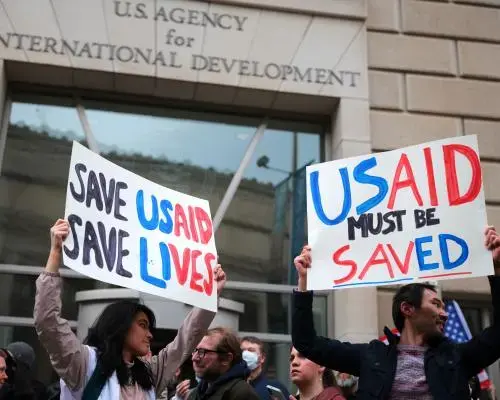
Shrinking Aid Budgets Undermine Disease‑Prevention Efforts
The Accra Reset study warns that the United States’ recent retreat from major aid programs is deepening a health crisis across Africa and other low‑income regions. The analysis, released this week, links the funding cuts to the Trump administration’s reduction of USAID budgets, the lingering effects of the COVID‑19 pandemic, and soaring global living costs. Researchers say the combined pressures threaten essential services from vaccination drives to maternal care.
Breaking news
 Montenegro, Albania Seek NATO Help to Counter Russian Disinformation
 Ronna McDaniel Weighs In on GOP's Path Forward
 Market Sentiment Shifts as S&P 500 Snaps Three-Day Losing Streak
 Voters Demand Stronger Congressional Oversight of Presidential Power
The report details how the withdrawal of U. S. financial support has left gaps in supply chains, reduced staffing, and stalled disease‑control initiatives. It notes that many African ministries now rely on dwindling domestic revenues while donor fatigue grows. The authors argue that without a coordinated response, preventable illnesses could surge, reversing gains made over the past decade. They call for regional governments and emerging economies to assume greater responsibility for health financing, emphasizing the need for sustainable, locally driven solutions.
USAID’s budget was trimmed by roughly 15 percent between 2017 and 2021, according to the report. That reduction translated into fewer malaria bed‑net distributions, limited HIV testing sites, and delayed roll‑out of newer tuberculosis treatments. Health officials in Kenya and Ghana reported shortages of essential medicines within weeks of the cuts taking effect. „We are seeing stock‑outs of antiretrovirals that were previously stable,” said Dr. Amina Njoroge, a senior epidemiologist in Nairobi. The study also highlights that the pandemic’s economic fallout has pushed more households below the poverty line, making out‑of‑pocket health expenses unaffordable for many.
Can African Nations Fill the Funding Void on Their Own?
The authors question whether African governments can bridge the financing gap without external help. While some countries, such as Rwanda and Ethiopia, have increased health‑sector allocations, the average public spending on health remains below the 5 percent of GDP benchmark set by the World Health Organization. The report points to innovative financing mechanisms—like health bonds and pooled procurement—as potential ways to mobilize resources. Yet it warns that without robust fiscal space, these strategies may fall short, leaving vulnerable populations exposed to outbreaks and chronic disease complications.
The outlook remains uncertain. If donor withdrawals continue and domestic budgets stay constrained, the region could face higher mortality rates from preventable diseases and a slowdown in progress toward universal health coverage. Conversely, a coordinated push for regional cooperation, stronger health governance, and diversified funding could mitigate the worst effects. Policymakers are urged to act swiftly, balancing immediate needs with long‑term resilience.
Frequently Asked Questions
What are the main reasons behind the U. S. aid reduction? The Trump administration cut funding to several foreign‑assistance programs, including USAID, as part of broader budgetary tightening and a shift toward „America‑first” policies.
How has the pandemic amplified health challenges in Africa? COVID‑19 disrupted supply chains, strained hospital capacity, and pushed many families into poverty, reducing their ability to pay for medical care and increasing reliance on external aid.
What steps can African governments take to improve health financing? They can raise domestic health budgets, explore health‑specific taxes, adopt pooled procurement to lower drug costs, and partner with private investors for infrastructure projects.